
What Size Air Compressor Is Ideal For A Pneumatic Air Impact Wrench
Best Size Air Compressor For Impact Wrench Revealed!
Choosing the right air compressor for a pneumatic air impact wrench isn’t guesswork—it’s a technical match between pressure, flow, and storage. The best size depends on the wrench’s CFM and PSI needs. For most ½‑inch wrenches, a compressor rated around 4–5 CFM at 90 PSI with a 20–30 gallon tank delivers consistent torque without stalling. Professionals handling larger industrial wrenches often rely on 60‑gallon or bigger two‑stage units to maintain steady output. Proper sizing not only boosts performance but also extends both compressor and tool life.
Understanding the Relationship Between Air Compressors and Pneumatic Impact Wrenches
Air compressors serve as the energy source that drives pneumatic tools. The relationship between these two components defines how efficiently torque is delivered during tightening or loosening operations.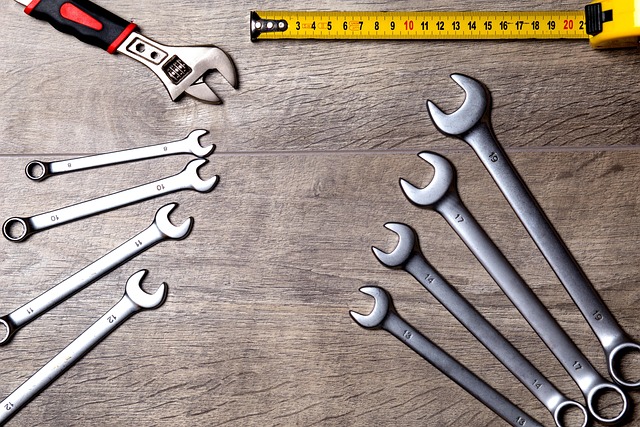
How Air Compressors Power Pneumatic Tools
Compressed air from the tank flows through hoses into the impact wrench, where it transforms into mechanical rotation and torque. The key parameters—pressure measured in PSI and flow rate in CFM—determine how powerful and steady that torque feels in hand. If compressor output falls short of tool demand, performance drops sharply, causing uneven impacts or complete stall.
Key Specifications That Influence Compatibility
PSI dictates the peak force available to the pneumatic air impact wrench, while CFM measures how much air volume sustains that power over time. A mismatch between these values leads to wasted energy or sluggish response. Tank capacity also matters: smaller tanks refill more often, reducing efficiency when continuous operation is needed.
Determining the Ideal Air Compressor Size for an Impact Wrench
Selecting an ideal compressor means balancing PSI, CFM, and tank size based on wrench dimensions and intended workload.
Evaluating PSI and CFM Requirements for Common Wrench Sizes
A ⅜‑inch wrench typically consumes about 3–4 CFM at 90 PSI—suitable for light assembly tasks. The popular ½‑inch model performs best with roughly 4–5 CFM at the same pressure range. Heavy-duty ¾‑inch or 1‑inch tools can draw up to 10–15 CFM at pressures reaching 120 PSI, making them dependent on robust compressors designed for industrial use.
The Role of Tank Capacity in Sustained Performance
Tank size influences runtime before refilling cycles begin. Units under 10 gallons work fine for quick jobs or mobile repair kits but struggle with long bursts. Midrange tanks between 20 and 30 gallons balance mobility with adequate airflow for most workshop applications. For nonstop shop operations, a stationary 60‑gallon system keeps pressure consistent even under multiple tool loads.
Factors That Affect Air Compressor Selection for Professional Use
Beyond raw numbers, professional users must consider duty cycle ratings, compressor design type, and overall air delivery setup.
Duty Cycle and Compressor Type Considerations
Single‑stage compressors fit light to medium workloads where downtime between cycles is acceptable. Two‑stage models compress air twice before storage, maintaining steadier pressure under heavy load—a key advantage in automotive shops running several wrenches simultaneously. Continuous‑duty machines are engineered for industrial environments where airflow cannot drop below specification during extended shifts.
Hose Length, Fittings, and Air Delivery Efficiency
Every foot of hose introduces resistance; longer lines can lower effective pressure at the tool end. Choosing wider hoses offsets this loss by reducing friction inside the line. Secure fittings are vital since even minor leaks waste energy and degrade torque consistency. Regulators fine-tune output so each connected tool receives stable pressure regardless of system fluctuations.
Optimizing Performance of Pneumatic Impact Systems
Proper maintenance practices keep both compressor and wrench performing like new while preventing premature failure due to contamination or wear.
Maintenance Practices to Ensure Efficiency and Longevity
Moisture buildup inside tanks promotes corrosion; draining condensate daily prevents rust formation that could contaminate airflow. Lubricating moving parts within air tools minimizes frictional wear on vanes and bearings. Filters should be inspected regularly since clogged elements restrict airflow and strain the compressor motor unnecessarily.
Balancing Portability and Power in Workshop Setups
Portable compressors suit technicians who move between job sites—think roadside service trucks or field maintenance teams. Stationary systems dominate workshops needing uninterrupted power supply across multiple bays. Some hybrid setups combine both: a large base unit feeding smaller portable tanks used remotely through quick-connect couplings.
Common Mistakes When Sizing an Air Compressor for an Impact Wrench
Errors in matching compressor capacity to tool demand are common even among seasoned mechanics; both undersizing and oversizing carry operational penalties.
Undersized Compressors and Their Consequences
When CFM output lags behind requirement, torque weakens mid-cycle causing incomplete fastening or bolt rounding. Short cycling becomes frequent as tanks empty rapidly, accelerating motor wear and increasing electricity costs due to repeated startups.
Oversized Systems and Inefficient Operation Risks
Conversely, buying an overly large unit may seem safe but wastes power during idle periods. Large motors draw significant current even when lightly loaded, inflating utility bills without proportional productivity gains. Maintenance costs also rise because bigger systems require more oil changes and filter replacements over time.
Practical Recommendations Based on Application Type
Different work environments demand tailored compressor configurations aligned with specific tool usage patterns.
Automotive Workshops and Tire Services
Shops running several impact wrenches benefit from a two‑stage 60‑gallon compressor capable of sustaining around 10–12 CFM at 100 PSI per outlet line—enough to handle simultaneous tire removal stations efficiently.
DIY Enthusiasts and Light Maintenance Tasks
For home garages or hobbyists repairing small engines, compact units rated near 4–5 CFM with a moderate tank around 20–30 gallons deliver adequate punch without occupying excessive floor space or tripping household circuits.
Industrial or Heavy Equipment Maintenance
Large-scale facilities servicing trucks or construction gear rely on high-capacity compressors exceeding 80 gallons paired with reinforced piping networks to maintain uninterrupted flow across multiple bays under demanding load conditions.
FAQ
Q1: What happens if an impact wrench runs below its required PSI?
A: It loses torque efficiency; bolts may not tighten properly, leading to inconsistent fastening quality.
Q2: Can multiple pneumatic tools share one compressor?
A: Yes, provided total combined CFM stays within the compressor’s rated output; otherwise performance will drop across all tools.
Q3: How often should moisture be drained from a compressor tank?
A: Ideally after every use or daily in humid climates to prevent internal corrosion damage.
Q4: Does hose diameter really affect performance?
A: Absolutely—narrow hoses restrict airflow causing noticeable lag in high-demand tools like impact wrenches.
Q5: Is oil-free better than oil-lubricated compressors?
A: Oil-free models need less upkeep but wear faster under heavy loads; oil-lubricated types last longer in professional environments where durability matters most.