
What Makes a Drill Bit Guide Essential for Stainless Steel Precision
The Best Drill Bits for Stainless Steel, Tested and Reviewed by Experts
Drilling stainless steel demands precision tools and steady control. The best drill bits for stainless steel are those made with cobalt or carbide tips, paired with a reliable drill bit guide that stabilizes motion and reduces wear. Expert testing shows that guided drilling not only extends tool life but also improves hole accuracy and surface finish. In professional fabrication or maintenance work, combining high-grade bits with a stable guide system delivers consistent results even under heavy-duty use.
The Role of a Drill Bit Guide in Stainless Steel Drilling?
A drill bit guide is more than a simple accessory; it’s a precision device that anchors the drilling process. In stainless steel applications where material hardness resists penetration, the guide functions as a stabilizer and alignment control mechanism.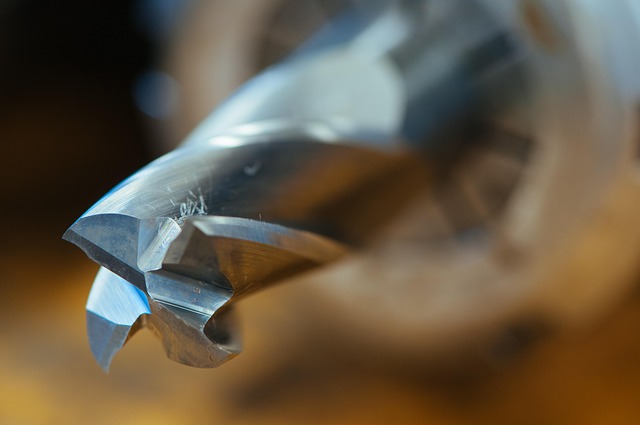
The Function of a Drill Bit Guide in Metalworking
A drill bit guide stabilizes the drilling process by keeping the bit aligned with the intended hole path. It minimizes lateral movement that could otherwise cause inaccuracies or damage to both tool and workpiece. By maintaining uniform pressure distribution across the drill bit tip, guides help achieve smoother entry points and cleaner exits on tough metals like 304 or 316 stainless steel.
The Challenges of Drilling Stainless Steel Without a Guide
Drilling without guidance often leads to wandering, especially on polished or curved surfaces. Stainless steel’s toughness amplifies this effect since it resists bite-in from standard bits. Excessive heat buildup during freehand drilling can dull cutting edges quickly and distort hole geometry. Furthermore, inconsistent entry angles may scratch surfaces or create microfractures that compromise part integrity.
Precision Engineering: How Drill Bit Guides Enhance Accuracy?
Precision in metal drilling depends on mechanical stability and controlled feed dynamics. A well-engineered guide transforms an ordinary handheld tool into a precision instrument capable of repeatable results.
Mechanical Stability and Alignment Control
Guides act as mechanical constraints that maintain trajectory during operation. They prevent angular deviation when performing deep-hole or multi-step drilling tasks. This stability reduces tool wear, enhances repeatability across production runs, and maintains concentricity even when using variable-speed power tools.
The Relationship Between Feed Rate, Torque, and Guide Design
Feed rate and torque must be balanced carefully when cutting stainless steel. A properly designed guide helps distribute torque evenly across the bit axis while allowing smooth chip evacuation through coolant channels or spiral flutes. This balance reduces vibration-induced inaccuracies, particularly during high-torque operations typical in industrial settings.
Material Considerations for Drill Bit Guides in Stainless Steel Applications?
Choosing the right material for the guide itself is essential since it directly affects durability and friction management during drilling.
Optimal Materials for Guide Construction
Hardened tool steel guides offer excellent wear resistance against stainless contact. For higher endurance, carbide inserts are often embedded at contact points to resist abrasion. Coatings such as titanium nitride (TiN) or diamond-like carbon (DLC) improve lubricity while reducing frictional heating—a common issue when drilling at higher speeds. Non-ferrous bushings are used where magnetic interference must be avoided, such as near sensitive measuring instruments.
Compatibility with Different Drill Bit Types
Cobalt bits pair best with rigid guides because their hardness complements steady alignment under load. Carbide bits benefit similarly but require precise fitment to prevent chipping at entry points. Step bits need adjustable guides to handle varying diameters smoothly, while split-point designs gain from fixed guides that maintain sharp entry precision on curved or uneven surfaces.
Integrating Power Tool Safety with Drill Bit Guide Use?
In professional environments, power tool safety is inseparable from accuracy. A stable drill bit guide contributes directly to both operator safety and long-term equipment reliability.
Reducing Operator Fatigue and Risk Factors
By stabilizing hand tools, guides reduce physical strain during prolonged tasks. Consistent positioning lowers kickback risks caused by sudden torque reversal when the bit binds inside metal stock. Secure clamping systems integrated into many modern guides also prevent slippage when working at awkward angles—a frequent hazard in field installations or overhead repairs.
Enhancing Safety Protocols in Professional Settings
Using drill bit guides aligns with ISO-compliant safety standards for metal fabrication tools (ISO 23125). These systems help control depth penetration precisely, avoiding accidental overcutting that could damage underlying components or fixtures. Regular inspection of alignment ensures predictable performance over time—a fundamental aspect of any certified workshop’s safety checklist.
Advanced Techniques for Maximizing Precision in Stainless Steel Drilling?
To push accuracy further, professionals combine guided drilling methods with advanced cooling systems and rigorous maintenance routines.
Combining Coolant Systems with Guided Drilling Methods
Modern drill guides often integrate coolant delivery channels aimed directly at the cutting edge. This approach regulates temperature effectively while flushing chips away from contact zones. Controlled lubrication enhances both chip removal efficiency and surface finish quality, reducing heat distortion that might otherwise alter dimensional tolerances on precision components.
Calibration and Maintenance Best Practices for Drill Bit Guides
Periodic calibration keeps alignment tolerances within micrometer ranges required for aerospace or medical-grade fabrication tasks. Cleaning debris from guide channels prevents misalignment that could scar workpieces or jam rotating parts. Replacing worn bushings at scheduled intervals extends both guide lifespan and overall consistency of drilled holes—critical factors when producing high-volume stainless assemblies.
FAQ
Q1: What type of drill bit works best for stainless steel?
A: Cobalt alloy bits are ideal because they retain hardness under heat and resist dulling during prolonged use on tough materials.
Q2: Why is a drill bit guide important?
A: It stabilizes the bit’s path, preventing wandering and ensuring clean hole geometry even on curved or polished surfaces.
Q3: How does coolant improve drilling performance?
A: Coolant reduces frictional heat, clears chips efficiently, and preserves dimensional accuracy by minimizing thermal expansion effects.
Q4: What safety benefits come from using a drill bit guide?
A: It reduces kickback risk, improves grip stability, and aligns with ISO safety standards for controlled depth penetration.
Q5: How often should a drill bit guide be maintained?
A: Inspection after every major project is recommended; calibration should follow manufacturer guidelines to maintain micrometer-level precision.