
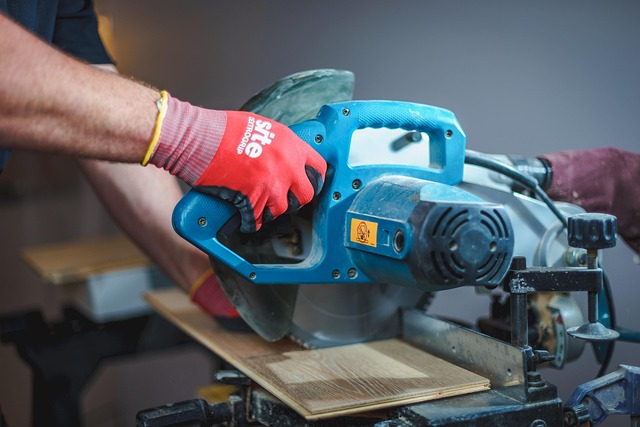
Could Safety Saw Technology Have Prevented the OSHA Reported Explosion
OSHA Reveals Equipment Lacked Safety Controls in Deadly Saw Dust Explosion
A fatal sawdust explosion recently investigated by OSHA revealed that the machinery involved lacked adequate safety controls, leading to catastrophic consequences. The agency’s findings point toward preventable design flaws, poor dust management, and the absence of modern safety saw technology. This incident underscores an industry-wide need for integrated systems that combine mechanical safeguards, environmental monitoring, and personal protective equipment such as Stihl chainsaw gloves. Experts now view this tragedy as a pivotal moment for adopting predictive safety technologies across industrial operations.
Understanding the OSHA Reported Sawdust Explosion?
The explosion not only destroyed equipment but also exposed systemic lapses in workplace safety culture. OSHA’s detailed report highlighted how insufficient hazard assessments and outdated machinery contributed to the disaster.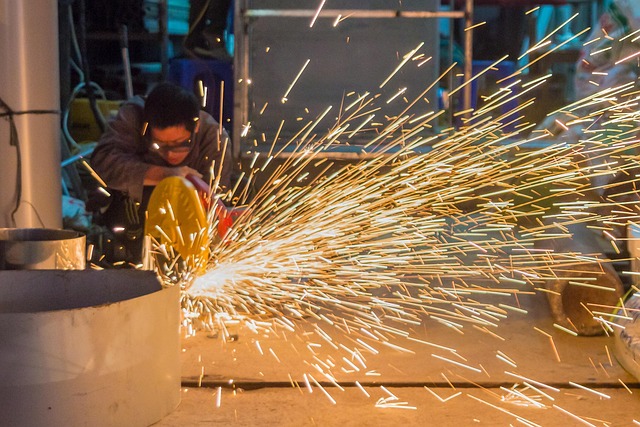
Overview of the Incident and OSHA Findings
The event occurred when accumulated sawdust ignited within a processing unit, triggering a chain reaction that spread through ventilation ducts. Multiple workers were injured, and one fatality was confirmed at the scene. OSHA’s official statement emphasized that critical safety mechanisms—such as dust suppression systems and explosion isolation valves—were missing. The report identified excessive combustible dust accumulation, inadequate housekeeping practices, and electrical arcing from malfunctioning motors as primary factors.
Equipment Design and Safety Oversight Issues
The machinery involved was an older generation industrial saw system lacking modern interlocks or automatic shut-off features. Its design prioritized throughput over containment of airborne particles, leaving ignition sources exposed. Without integrated sensors or emergency stops, operators had little control once combustion began. Compliance audits revealed deviations from OSHA’s Combustible Dust National Emphasis Program, which mandates regular cleaning schedules and engineering controls to prevent explosions.
The Role of Safety Saw Technology in Preventing Industrial Accidents?
Emerging safety saw technologies could have significantly reduced the probability of ignition during this event. These systems integrate multiple layers of protection that respond faster than human reflexes.
What Defines Modern Safety Saw Technology
Modern safety saws use sensor-based blade braking systems capable of halting motion within milliseconds when abnormal contact or vibration is detected. Automatic shut-off mechanisms disengage power circuits during overloads or overheating conditions. Advanced models also integrate thermal imaging sensors and particulate detectors to monitor environmental hazards in real time. Such designs transform reactive safety into proactive prevention by continuously scanning for anomalies before accidents escalate.
Comparative Analysis: Traditional Saws vs. Safety Saws
Traditional saws rely heavily on manual oversight and physical barriers, while safety saws incorporate electronic feedback loops that adjust torque or stop operation instantly under stress conditions. This difference drastically reduces operator injury risk during blade jams or friction spikes. In environments similar to the explosion site, a modern safety saw could have interrupted energy flow upon detecting rising dust density or abnormal heat signatures—potentially averting ignition altogether.
The Connection Between Dust Management and Saw Safety Systems?
Dust accumulation remains one of the most underestimated hazards in woodworking facilities. Integrating detection technology directly into cutting equipment can bridge this longstanding gap between mechanical operation and environmental control.
Understanding Combustible Dust Hazards in Woodworking Operations
Sawdust particles become explosive when suspended in air at specific concentrations; their high surface area allows rapid oxidation upon ignition. Factors such as low humidity, poor ventilation, and static electricity further increase risk levels. OSHA regulations under 29 CFR 1910 Subpart Z outline mandatory measures for controlling combustible dust through ventilation systems, spark detection devices, and routine inspections.
Integrating Dust Detection with Safety Saw Systems
Next-generation safety saws can embed optical sensors that measure airborne particulate concentration around cutting zones. When thresholds exceed safe limits, automated power cut-offs can trigger both machine shutdown and localized ventilation activation. This integration merges mechanical protection with environmental sensing—creating layered defense against both direct contact injuries and atmospheric explosions.
Evaluating Personal Protective Equipment in High-Risk Cutting Environments?
Even with advanced tools, personal protection remains essential for mitigating residual risks during cutting operations involving combustible materials.
The Role of Stihl Chainsaw Gloves and Similar PPE Technologies
Stihl chainsaw gloves exemplify how material science contributes to worker protection through multi-layer fabrics designed for grip stability, vibration absorption, and high cut resistance. However, PPE serves only as a final line of defense; it cannot compensate for absent machine safeguards or procedural lapses. Effective programs combine PPE with engineered controls like automatic braking systems for comprehensive risk reduction.
Enhancing Operator Awareness Through Smart PPE Integration
Recent innovations embed micro-sensors into gloves that track hand motion, temperature exposure, and vibration intensity in real time. Data transmitted to centralized monitoring dashboards allows supervisors to detect fatigue patterns or unsafe handling behaviors before accidents occur. When connected with smart safety saw systems, these wearables create synchronized feedback loops between human operators and machines—an emerging frontier in predictive industrial safety.
Advancing Industrial Standards Through Technological Integration?
The aftermath of this explosion has prompted renewed discussions on updating regulatory frameworks to reflect modern capabilities in hazard prevention technology.
Encouraging Adoption of Safety Saw Innovations Across Industries
Manufacturers are increasingly incentivized through insurance discounts and certification advantages to adopt advanced safety mechanisms voluntarily. Regulatory bodies may soon revise compliance codes to recognize sensor-driven shut-off technologies as standard practice under OSHA’s performance-based criteria for machine guarding.
Building a Culture of Predictive Safety in Manufacturing Environments
Industrial leaders are shifting focus from reactive response models toward predictive analytics powered by AI-driven monitoring platforms. These systems analyze vibration data, temperature trends, and particulate fluctuations to forecast potential ignition events hours before they occur. Embedding such predictive intelligence into daily operations could redefine workplace safety culture—making devices like the modern safety saw central components of future manufacturing ecosystems.
FAQ
Q1: What caused the deadly sawdust explosion?
A: The primary cause was excessive combustible dust accumulation combined with an electrical fault that ignited airborne particles inside processing ducts.
Q2: How did OSHA respond after the incident?
A: OSHA issued citations highlighting missing explosion isolation valves and inadequate dust control procedures under its Combustible Dust National Emphasis Program.
Q3: Could modern safety saw technology have prevented it?
A: Yes, sensor-based shut-off systems could have detected abnormal heat or particle density early enough to interrupt ignition sources before combustion spread.
Q4: Are Stihl chainsaw gloves sufficient protection against such hazards?
A: They offer strong cut resistance but cannot prevent explosions; they must complement engineered safeguards like automatic braking mechanisms.
Q5: What long-term changes might result from this event?
A: The incident is likely to accelerate adoption of integrated machine-safety standards combining environmental monitoring with advanced cutting technology across multiple industries.