
Is A Hammer Drill Masonry Bit The Key To Precision Concrete Drilling
Best Drill Bit for Drilling Concrete That Experts Swear By
Professionals agree that the hammer drill masonry bit stands as the best tool for drilling into concrete. Its unique construction, combining rotary and impact forces, delivers unmatched efficiency and precision. The carbide-tipped edges maintain sharpness even under heavy use, while specialized fluting clears debris quickly. For dense materials like reinforced concrete or stone, no other bit type matches its performance and durability.
The Role of a Hammer Drill Masonry Bit in Concrete Drilling?
Concrete drilling demands a balance between force and finesse. A hammer drill masonry bit achieves this through its mechanical design that merges rotation with percussion. This dual action allows it to break up tough aggregates while maintaining a consistent bore path.
The Mechanics Behind Hammer Drill Masonry Bits
A hammer drill masonry bit operates by combining rapid rotary motion with percussive impact energy. Each strike chips away at the surface while the rotation clears loosened material from the hole. Carbide-tipped cutting edges resist abrasion from dense aggregates like quartz or granite, extending lifespan significantly. The design also promotes heat dissipation, reducing wear during extended drilling sessions—a crucial factor on construction sites where continuous operation is common.
How Masonry Bits Differ from Standard Drill Bits
Unlike standard bits, masonry bits feature deep spiral flutes that remove dust and debris efficiently from deep holes. Their reinforced shanks withstand the torque generated by hammer drills without bending or fracturing. The cutting geometry is optimized to produce cleaner holes in concrete, brick, and natural stone, minimizing cracking around anchor points.
Evaluating Precision in Concrete Drilling Applications?
Precision in concrete drilling defines both structural integrity and professional craftsmanship. Even minor deviations can compromise anchor alignment or reduce load-bearing capacity.
Factors That Influence Drilling Accuracy
Bit alignment plays a critical role in maintaining straight holes. Incorrect angles cause wandering or blowout on hard surfaces. Controlled drill speed prevents overheating and ensures smoother penetration. Consistent downward pressure helps stabilize the bit against vibration, especially when working on cured concrete slabs.
Techniques to Enhance Precision with a Hammer Drill Masonry Bit
Marking hole positions before drilling eliminates guesswork and improves accuracy. Starting with a smaller pilot hole guides the main bit precisely into position. Using depth stops guarantees uniform penetration across multiple holes—vital for anchor installations or dowel placements. Modern hammer drills often include vibration control systems that keep the bit steady under impact loads.
Material Considerations for Optimal Performance?
Different surface types demand specific bit compositions to maintain performance and longevity during repetitive drilling cycles.
The Relationship Between Bit Composition and Surface Type
Tungsten carbide-tipped bits excel when tackling reinforced concrete or masonry blocks due to their hardness and resistance to micro-fracture. Diamond-coated bits outperform others on ultra-hard aggregates such as basalt or engineered stone where conventional tips dull quickly. A steel body provides balanced flexibility and strength, absorbing shock without compromising rigidity.
Managing Heat and Friction During Drilling Operations
Heat buildup remains one of the biggest threats to bit life. Applying water or a light lubricant cools both bit and substrate, keeping edges sharp longer. Intermittent drilling—pausing every few seconds—prevents thermal expansion that can crack brittle materials. Effective dust extraction not only improves visibility but also reduces friction by clearing abrasive particles from the bore path.
Comparing the Hammer Drill Masonry Bit with Alternative Tools?
While hammer drills dominate concrete work, understanding tool alternatives allows professionals to select the most efficient method for each material type.
Differences Between Hammer Drills and Rotary Drills in Masonry Work
Hammer drills deliver impact energy ideal for penetrating dense materials like concrete or block walls. Rotary drills rely solely on spinning motion, making them better suited for softer materials such as wood or sheet metal. Impact frequency determines how efficiently a tool breaks through aggregates; higher rates translate to faster progress but require stronger bits.
When to Use a Wet Saw for Tile Instead of a Masonry Bit
For cutting ceramic, porcelain, or decorative stone tiles, a wet saw for tile provides smoother results than any masonry bit could achieve. The continuous water flow cools the blade and reduces chipping along delicate edges—especially important during finish work where aesthetics matter most. Wet saws excel at creating clean edges or complex cuts unsuitable for rotational drilling methods.
Selecting the Right Hammer Drill Masonry Bit for Professional Use?
Choosing an appropriate bit involves evaluating both technical specifications and job conditions rather than relying solely on brand reputation.
Criteria for Choosing High-Performance Masonry Bits
The diameter must match anchor bolts or fastener requirements precisely to avoid loose fittings. Shank compatibility—SDS, SDS Plus, or SDS Max—determines whether the bit fits securely within the drill’s chuck system. Professionals also check manufacturer tolerances since tighter tolerances often translate into more accurate hole diameters over repeated use.
Maintenance Practices to Extend Bit Longevity
After each session, cleaning flutes prevents hardened debris from reducing cutting efficiency. Inspecting carbide tips regularly helps identify early signs of chipping before they worsen under stress. Proper storage in dry conditions protects steel components from corrosion that could weaken structural integrity over time.
Integrating Advanced Techniques into Professional Concrete Drilling Workflows?
Modern construction environments increasingly rely on digital tools to enhance precision while maintaining operator safety during high-density material drilling.
Leveraging Modern Technology for Enhanced Precision
Laser guides help maintain exact trajectories across multiple holes in alignment-critical installations such as rebar doweling or anchor setting. Torque control systems regulate power output automatically based on resistance levels within the substrate, ensuring consistent results regardless of operator fatigue. Some advanced setups even log performance data across projects to track wear patterns and predict replacement intervals accurately.
Safety Protocols During High-Density Material Drilling
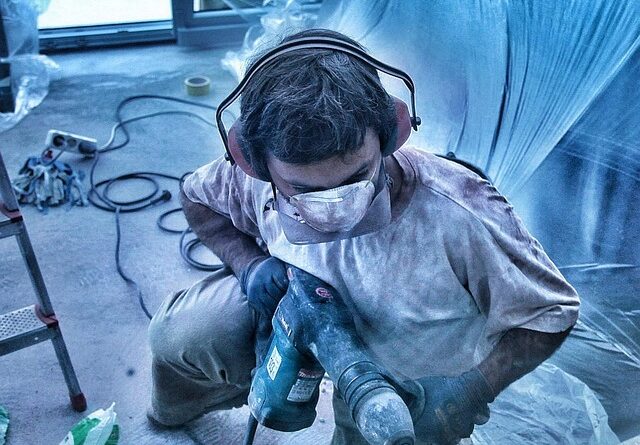
Operators should wear vibration-dampening gloves to minimize fatigue during prolonged use of heavy-duty hammer drills. Personal protective equipment—including goggles, masks, and ear protection—is mandatory when working around airborne silica dust generated by concrete drilling operations (as recommended by ISO 45001 occupational safety standards). Regular calibration keeps equipment performing safely within manufacturer-defined limits while maintaining precision standards expected in professional environments.
FAQ
Q1: What makes a hammer drill masonry bit different from regular drill bits?
A: It combines rotary motion with percussive force, allowing it to break through hard materials like concrete while clearing debris efficiently through its fluted design.
Q2: Can a wet saw replace a masonry bit?
A: Not entirely; while a wet saw for tile excels at smooth cuts on ceramics or stone tiles, it cannot drill holes—it’s designed for slicing rather than boring.
Q3: Why do carbide tips matter?
A: Carbide offers exceptional hardness that resists wear against tough aggregates found in concrete mixes, extending operational life substantially compared to steel-only bits.
Q4: How can overheating be prevented during drilling?
A: Using water cooling or intermittent pauses reduces friction heat buildup that might otherwise dull cutting edges prematurely.
Q5: What safety measures should professionals follow when drilling concrete?
A: Always use PPE like goggles and respirators; ensure vibration control features are active; calibrate tools regularly per ISO safety guidelines to maintain accuracy and operator protection.