
Pole saw reviews and buying criteria for safer tree pruning
How to read pole saw reviews before you buy
Useful pole saw reviews should help you match the tool to the branch, the property, and the amount of maintenance you are willing to handle. For most homeowners who prune occasional limbs, a cordless electric pole saw is the most convenient place to start. It avoids fuel mixing, starts quickly, and is easier to store between seasonal jobs. Corded electric models can still make sense near the house, gas models suit heavier and more frequent cutting, and manual pole saws remain useful when maximum reach and low upkeep matter more than speed.
The goal is not to buy the longest pole or the largest motor on the page. A pole saw becomes harder to control as it gets longer, and a fast-cutting head is only useful when the tool is balanced, lubricated, and suited to the wood diameter. This guide explains how to evaluate review claims, which specifications matter in practice, and when a pruning job is better left to a professional.
For more buying guides and comparison articles, visit the Reviews section.
The main types of pole saws compared
Most pole saw reviews divide the category into four groups: cordless electric, corded electric, gas-powered, and manual. Each type can be the right choice, but only for a particular kind of work. A small yard with a few low branches does not need the same tool as a rural property with regular storm cleanup.
| Type | Best fit | Main advantages | Main limitations |
|---|---|---|---|
| Cordless electric pole saw | General homeowner pruning away from outlets | Easy starting, lower routine maintenance, no cord drag | Runtime depends on battery size, battery platform, and wood conditions |
| Corded electric pole saw | Small yards near outdoor power | Lower purchase cost, steady power, no charging delay | Limited by extension cord length and cord management |
| Gas pole saw | Frequent heavy pruning and larger properties | Strong cutting performance and long work sessions with refueling | More noise, fumes, starting effort, fuel care, and maintenance |
| Manual pole saw | Occasional pruning, high reach, quiet work | Lightweight head, simple storage, no motor maintenance | Slower, physically demanding, less suitable for thick hardwood limbs |
Battery tools appear often in homeowner pole saw reviews because many buyers already own compatible batteries from a mower, string trimmer, blower, or hedge trimmer. That ecosystem matters. A bare-tool price may look attractive, but it is only a good value if the battery and charger are already in your garage or included in the kit.
Specifications that matter more than star ratings
Star ratings can reveal broad satisfaction patterns, but they often hide the details that determine whether a pole saw will feel safe and effective. The following specifications deserve closer attention than a simple overall score.
Reach and usable working height
Manufacturers often describe reach using pole length, total tool length, or estimated working height. These are not the same. Total reach can include the user’s arm height, which varies from person to person. A practical review should make clear whether it is discussing the actual pole extension or a marketing-style overhead reach estimate.
Longer is not automatically better. A pole saw extended near its maximum length can feel tip-heavy, especially when the motor and bar are at the far end. If a review praises long reach but says little about wobble, balance, or fatigue, treat the conclusion cautiously.
Bar length and realistic branch diameter
Many homeowner pole saws use compact guide bars, often around the 8- to 10-inch range. That does not mean they should be used on branches almost as thick as the full bar length. In practical pruning, the comfortable cut diameter is usually smaller than the bar length because the operator needs control, visibility, and room for the branch to move as it separates.
For regular cuts above roughly wrist to forearm thickness, prioritize stability and cutting technique over maximum claimed capacity. If a limb is large, high, dead, cracked, under tension, or near a structure or utility line, a pole saw review cannot make the job safe by itself.
Weight, balance, and shoulder fatigue
Listed weight is easy to compare, but balance is harder to judge. Two tools with similar weights can feel very different when extended overhead. Reviews that mention user fatigue, pole stiffness, grip comfort, and control at full extension are more useful than reviews that only repeat shipping weight.
Battery placement also changes the feel. Some designs keep the battery near the handle, which can help counterbalance the cutting head. Others place more mass toward the top, which may cut well but feel tiring in overhead work. For homeowners who prune only a few times a year, comfort and control may matter more than raw speed.
Chain lubrication and chain adjustment
A pole saw chain needs oil and proper tension. A useful review should mention whether the model has an automatic oiler, how easy it is to see the oil level, and whether chain adjustment requires a tool. Tool-free tensioning is convenient, but it still needs to hold adjustment reliably.
Skipping chain care leads to poor cutting, more heat, faster wear, and rougher control. A sharp chain with correct tension is part of performance, not just maintenance. This is why a well-maintained midrange saw can outperform a neglected high-spec model.
Battery, corded, gas, or manual
The most useful pole saw reviews start with the job, not the brand. Use this decision matrix before comparing individual models.
| If your main need is | Start with this type | Why it fits |
|---|---|---|
| Occasional pruning on a suburban lot | Cordless electric | Good convenience, enough power for common limbs, simple storage |
| Budget pruning close to the house | Corded electric | Lower cost and consistent power when outlets are nearby |
| Remote work away from outlets | Cordless electric or gas | Cordless suits light to moderate jobs; gas suits heavier repeated cutting |
| Frequent thick branches and long sessions | Gas | Refueling is faster than recharging, and power is usually stronger |
| Quiet trimming with minimal storage demands | Manual | No motor, no battery, no fuel, and often excellent reach |
| Already invested in a battery platform | Cordless electric from the same platform | Shared batteries can reduce total cost and simplify charging |
For many buyers, the best value is not the cheapest tool. It is the tool that avoids unnecessary extra purchases and fits the work pattern. A cordless pole saw sold without a battery may be economical only if it uses a battery you already own. A gas model may look powerful, but it can become frustrating if it sits unused for long periods and then needs fuel-system attention. A manual saw may be slow, but it can be the easiest tool to keep ready for a few seasonal cuts.
Safety limits that every review should discuss
Pole saws are pruning tools, but they still use either a moving chain or a sharp blade overhead. Public safety guidance for chain saw use consistently emphasizes personal protective equipment, proper chain condition, stable footing, and awareness of kickback and branch movement. Those points apply even more strongly when the cutting head is above shoulder height.
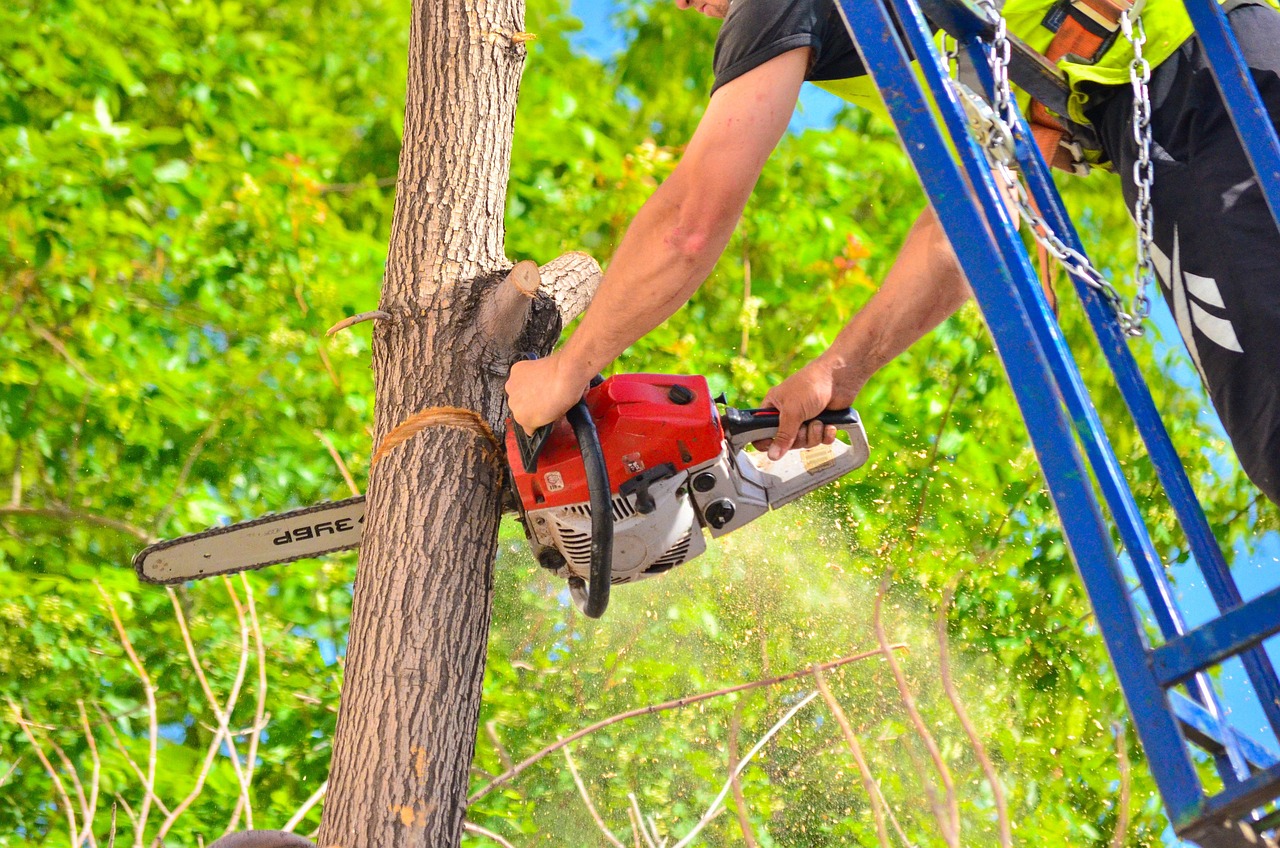
At a minimum, plan for eye protection, head protection when overhead debris may fall, gloves, sturdy footwear, long pants, and hearing protection for louder powered tools. Do not stand directly under the branch being cut. Do not cut near power lines. Do not use a pole saw from a ladder. Do not force the bar into the cut if the limb begins to bind. And do not assume a small electric motor makes the chain harmless. See also: Tool Categories.
Reviews should also explain what a pole saw is not designed to do. It is not a substitute for climbing equipment, rigging knowledge, or professional tree work. If the branch can hit a roof, fence, vehicle, wire, or person, the cost of professional help may be lower than the cost of a mistake.
How to spot useful pole saw reviews
A strong review answers practical questions that product listings often avoid. Look for evidence of real cutting conditions: branch diameter, wood type, runtime under load, oil use, pole flex, chain adjustment, and cleanup after the job. A review that only repeats voltage, bar length, and reach claims is closer to a spec sheet than a field assessment.
Pay attention to negative comments, but read them carefully. Some complaints point to product problems, such as leaking oil tanks, weak pole locks, poor battery fit, or chain tension that will not stay set. Other complaints may show a mismatch between the tool and the job, such as expecting a light cordless saw to perform like a professional gas unit on large hardwood limbs.
- Useful review detail: The saw handled several small limbs cleanly but became slow in dense hardwood above a certain diameter.
- Less useful review detail: The saw is powerful, with no explanation of cut size, runtime, or chain condition.
- Useful review detail: The pole felt stable at mid extension but tiring at full extension.
- Less useful review detail: The reach is great, with no note about control or balance.
- Useful review detail: The reviewer checked oil flow and retensioned the chain after initial use.
- Less useful review detail: The reviewer used it once and judged long-term durability.
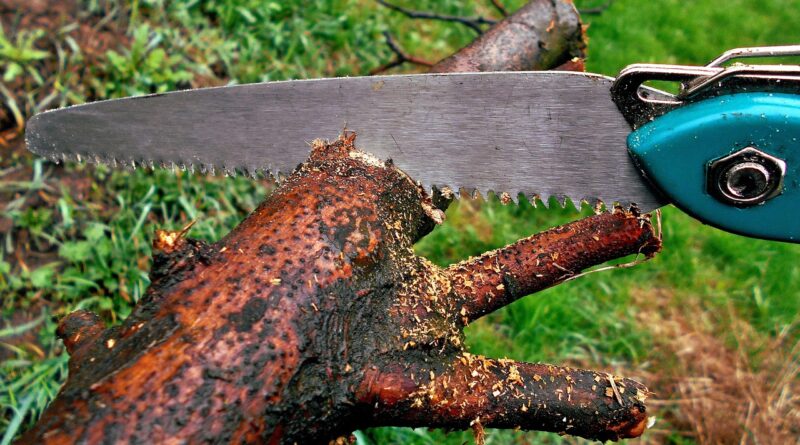
Also compare warranty language and parts availability. Chains, bars, oil caps, pole clamps, and batteries are wear items or service parts. A tool with easy-to-find replacement parts can be a better long-term buy than a cheaper model with limited support.
Common mistakes when choosing a pole saw
The first mistake is buying more reach than you can control. A long pole looks appealing until the cutting head starts to sway. If you only need to prune branches slightly above head height, a shorter and stiffer tool may be safer and easier to use.
The second mistake is ignoring the battery system. Voltage alone does not tell the full story. Battery capacity, charger speed, motor efficiency, chain sharpness, and branch type all affect runtime and performance. If you already own batteries from a reputable platform, compatibility can be a major advantage.
The third mistake is treating gas as automatically better. Gas pole saws can be the right choice for demanding work, but they bring fuel storage, noise, emissions, spark plug care, air filter care, and starting effort. For seasonal pruning around a small home, that extra capability may not be worth the upkeep.
The fourth mistake is forgetting the manual option. Manual pole saws remain relevant because they are quiet, simple, and capable of reaching high limbs without a heavy motor at the tip. They require more effort, but for a few strategic cuts they can be a smart and durable choice.
Frequently asked questions
Are cordless pole saws powerful enough for homeowners?
Yes, cordless pole saws are often suitable for routine homeowner pruning, especially small to moderate branches. They are convenient for seasonal cleanup and quick cuts. For repeated heavy cutting, dense hardwood, or long work sessions, a gas model or professional service may be more appropriate.
Is a corded pole saw still worth buying?
A corded pole saw can be a good value if most of your pruning is close to the house and you are comfortable managing an outdoor-rated extension cord. It avoids battery charging and fuel maintenance, but the cord limits mobility and requires extra attention while cutting.
How much reach do I need?
Choose the shortest reach that safely covers your common pruning height. Extra length increases leverage and can reduce control. When comparing models, separate actual pole length from estimated working height, because working height may include the user’s body and arm reach.
Can I use a pole saw on a ladder?
No. A pole saw should be used from stable ground. Combining an extended cutting tool with a ladder increases the risk of losing balance, especially when a branch shifts, binds, or falls. If the cut cannot be reached from the ground, consider professional tree work.
What is the most important maintenance task?
Keep the chain sharp, correctly tensioned, and properly lubricated. Poor chain condition makes the saw slower and harder to control. For battery tools, also store batteries according to the manufacturer’s instructions. For gas tools, follow the fuel and air filter maintenance schedule.
Bottom line
The most reliable pole saw reviews are not the ones with the loudest praise. They are the ones that explain the job conditions, tool limits, and maintenance involved. For most homeowners, cordless electric models offer the best balance of convenience and capability. Corded saws remain useful for budget work near outlets, gas models make sense for frequent heavy cutting, and manual saws are still practical for quiet, low-maintenance pruning.
Before buying, compare reach, balance, bar length, chain care, battery cost, parts support, and safety limits. A pole saw is a helpful tool when matched to the right branch and used from stable ground, but it is not a shortcut around difficult tree work. When the limb is large, high-risk, or near property and power lines, the safer review conclusion is simple: choose a professional instead of a bigger saw.