
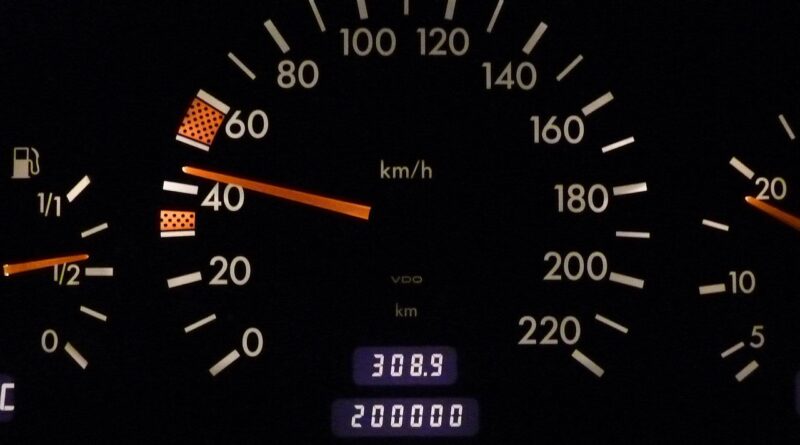
Launch mileage correction tool functions and legal limits for repair shops
What does a Launch mileage correction tool actually mean?
A search for a Launch mileage correction tool usually refers to odometer-related functions within professional LAUNCH X-431 diagnostic tablets. It does not mean there is a universal device that can freely rewrite mileage on every vehicle. In shop practice, the legitimate use case is narrow: replacing a failed instrument cluster, repairing an odometer fault, or configuring a module so the vehicle displays the correct recorded mileage.
That distinction matters. U.S. federal guidance from the National Highway Traffic Safety Administration describes odometer fraud as altering, resetting, or disconnecting an odometer with intent to change the mileage shown. For repair shops, the real question is not simply whether a tool can write mileage. The question is whether the specific vehicle, module, software version, and legal circumstances allow the work to be completed and documented correctly.
This guide reviews the repair-shop context behind LAUNCH X-431 mileage functions, the compliance risks around odometer work, and a practical verification checklist before any cluster or immobilizer-related mileage operation. For more diagnostic-tool updates, see the Tool News section.
Why odometer functions are different from ordinary service resets
Many scan-tool operations are routine service tasks: oil service reset, steering angle calibration, battery registration, diesel particulate filter regeneration, electronic parking brake service, or tire pressure monitoring system relearn. Odometer-related functions sit in a different category because mileage is more than a dashboard value. It affects legal disclosure, used-vehicle valuation, warranty decisions, and, on many vehicles, data stored across several control modules.
For that reason, a mileage correction menu should not be treated like a normal maintenance reset. Even when a LAUNCH tablet shows a function named mileage reset, odometer configuration, cluster replacement, instrument panel coding, or immobilizer adaptation, the practical meaning depends on the vehicle architecture. Some vehicles store the primary reading in the instrument cluster. Others compare mileage against the body control module, engine control unit, immobilizer system, gateway, key data, telematics record, or service history. A mismatch can lead to diagnostic trouble codes, inspection issues, title concerns, or resale disputes.
Serious workshops should also avoid marketing language that suggests rollback capability. A more accurate description is odometer service support for lawful repair and replacement. That wording reflects the real boundary: the job is to preserve or correctly disclose the vehicle’s true mileage, not to create a more attractive number.
Where LAUNCH X-431 tools fit in the mileage repair workflow
LAUNCH is widely known for the X-431 diagnostic platform, including professional tablets, immobilizer tools, programmer accessories, and vehicle coverage resources. Public LAUNCH product materials emphasize broad diagnostic coverage, special functions, online updates, immobilizer service, and module-level repair support. Within that ecosystem, odometer-related work may appear as a special function for certain makes and models, often linked to instrument cluster replacement, immobilizer data replacement, or module configuration.
The important limitation is that coverage is not universal. A tool model may support one odometer-related operation on one vehicle and not support the same operation on another. Coverage may also depend on the region, model year, software subscription status, security access requirements, and whether the vehicle uses a secured gateway or manufacturer-controlled online procedure.
| Repair question | Why it matters before using a mileage function |
|---|---|
| Is the vehicle supported by the exact tool and software version? | Coverage differs by brand, model, year, system, and sub-function, so a menu name alone is not enough. |
| Is the job a repair, replacement, or disclosure issue? | Lawful odometer service is different from changing a value to influence resale, lease return, or warranty status. |
| Where is mileage stored on this vehicle? | Modern vehicles may compare cluster data with other modules, keys, or service records. |
| Can the value be preserved exactly? | U.S. federal law allows odometer service, repair, or replacement if the mileage remains the same; if it cannot, disclosure rules apply. |
| What proof will remain after the job? | Before-and-after scan reports, photos, authorization, module details, and invoice notes reduce future disputes. |
The legal boundary that repair shops cannot ignore
Odometer rules vary by country and state, but the U.S. framework is a useful reference because it draws a clear line between repair and fraud. Federal odometer law generally prohibits advertising, selling, installing, using, disconnecting, resetting, or altering an odometer-related device when the purpose is to make the vehicle register mileage different from the mileage actually driven. NHTSA also states that sellers must provide mileage disclosure when ownership is transferred, with specific exemptions for older vehicles.
For lawful repair, the key concept is continuity. Under 49 U.S.C. Chapter 327, a person may service, repair, or replace an odometer if the mileage registered remains the same as before the work. If the mileage cannot remain the same, the law describes a zero-reading and written notice process for the vehicle. Workshops should treat that as a compliance floor, not as a marketing feature. State requirements, title-branding rules, inspection procedures, and customer disclosure obligations may add further requirements.
This is not a technicality. NHTSA has estimated that hundreds of thousands of vehicles are sold each year in the United States with false odometer readings. The agency also warns that digital odometers can be harder for buyers to evaluate because there are no visible mechanical rollback marks. In practice, digital clusters have not removed fraud risk; they have shifted the evidence into vehicle data, service records, title documents, and diagnostic inconsistencies.
Legitimate use cases versus red flags
The clearest legitimate use case is a failed or damaged instrument cluster that must be replaced. If the original mileage is known and can be written into the replacement unit according to the vehicle maker’s process, a professional diagnostic tool may help complete a lawful repair. Other possible scenarios include correcting a display problem after module replacement, restoring immobilizer synchronization where mileage data is part of the module relationship, or documenting a case where the odometer cannot be returned to the previous value and must be disclosed correctly.
Several situations should stop the job immediately or trigger a compliance review:
- A customer asks to lower mileage before selling, trading, leasing, financing, or exporting a vehicle.
- The requested value conflicts with title history, inspection records, service invoices, telematics data, or visible vehicle condition.
- The customer cannot provide ownership, authorization, or credible proof of the true pre-repair mileage.
- The tool or online guide claims broad rollback capability without vehicle-specific limits or legal warnings.
- The repair would create a mismatch between the cluster and other modules without a documented disclosure path.
These red flags matter even if a menu option appears on the scanner. A tool function is not permission. The legal and ethical test is whether the repair preserves truthful mileage records and whether the shop can prove why the work was necessary.
How to verify LAUNCH coverage before accepting the job
Before presenting any LAUNCH X-431 device as a mileage correction solution, a shop should confirm coverage in a structured way. Start with the exact vehicle identification details: market, make, model, model year, powertrain, cluster part number, immobilizer generation, and whether the module is new, used, refurbished, or cloned. Then check LAUNCH coverage resources and the tool’s current software, not only retailer descriptions or old forum posts.
Next, separate three similar but different operations. A service mileage reminder reset changes a maintenance interval display and does not change the odometer. An instrument cluster configuration may write or initialize mileage during a replacement procedure. An immobilizer or EEPROM-level operation may interact with stored data that affects starting authorization, module identity, or internal mileage records. Confusing these categories can create wrong customer expectations and serious compliance exposure. See also: Tool Categories.
A practical intake process should include the following records:
- Photo of the displayed mileage before repair, where possible.
- Customer authorization stating why the cluster or module work is needed.
- VIN, module part number, and diagnostic scan report before work begins.
- Evidence of the true mileage from title, service records, inspection reports, fleet logs, or previous repair orders.
- Final scan report and photo after the repair.
- Invoice language that describes the repair accurately and avoids phrases such as rollback or mileage lowering.
This process may look conservative, but it protects both the shop and the next owner of the vehicle. It also helps technicians separate a legitimate cluster replacement from a request that should be refused.
What buyers should compare when choosing a tool
For shops comparing LAUNCH mileage-related capability with other diagnostic platforms, the headline feature list is less important than verifiable support. A large screen, fast processor, topology map, programming accessory, or immobilizer bundle can improve productivity, but none of those features proves odometer support for a particular vehicle.
The most useful comparison points are more specific:
- Vehicle coverage detail: Look for make, model, year, system, and sub-function, not a broad statement that the tool supports mileage correction.
- Software update policy: Odometer, immobilizer, and security gateway functions can change as manufacturers update access rules.
- Documentation output: Reports, screenshots, and stored scan history help show that a repair was performed responsibly.
- Security access: Some late-model vehicles require authorized gateway access or manufacturer-linked procedures.
- Training and support: A powerful function without reliable technical support can increase risk on module replacement jobs.
Price should come after those questions are answered. A cheaper tool that advertises mileage correction broadly may be less useful than a professional platform that clearly states what it can and cannot do. In this category, limitations are not necessarily a weakness; they can show that the tool is built around lawful service procedures rather than unrestricted value changes.
Editor’s analysis on the market trend
The diagnostic-tool market is not moving toward simple mileage editing. It is moving toward more controlled module service, broader immobilizer support, better guided functions, cloud-connected coverage data, and stronger documentation. Vehicle makers are also increasing gateway security and tying more functions to authenticated access. As a result, mileage work is becoming less like a standalone dashboard adjustment and more like a controlled repair workflow involving proof of mileage, module identity, and software authorization.
For LAUNCH users, the practical takeaway is straightforward: treat mileage-related menus as repair functions with legal consequences. A professional shop should verify coverage before the appointment, document the reason for the work, preserve the actual mileage wherever possible, and refuse requests that would misrepresent vehicle history. That approach is better for compliance, better for customers, and more sustainable for the diagnostic-tool industry.
Frequently asked questions
Can a LAUNCH X-431 tool correct mileage on every vehicle?
No. Odometer-related capability is model-specific and depends on the vehicle, module, software version, market, and access requirements. A LAUNCH tablet may support a mileage-related function on one vehicle but not on another.
Is mileage correction legal after replacing an instrument cluster?
It can be lawful when the purpose is repair or replacement and the vehicle’s true mileage is preserved or properly disclosed. In the United States, federal law draws a strong distinction between lawful odometer service and altering mileage with intent to misrepresent the distance driven.
Is a service mileage reset the same as odometer correction?
No. A service mileage reset normally changes a maintenance reminder or service interval. It does not change the vehicle’s actual odometer reading. The two functions should not be marketed or documented as the same service.
What should a shop do if the true mileage is uncertain?
The shop should pause the job, request supporting records, check vehicle history and module data where available, and document any uncertainty. If the true mileage cannot be verified, the repair may require disclosure language rather than a simple odometer value write.
Should shops advertise rollback capability?
No. Advertising rollback capability creates legal and reputational risk. A responsible description is lawful odometer service, cluster replacement support, or mileage preservation during module repair, depending on the actual function and jurisdiction.