
Best woodworking tool brands for shop, site, and battery platform needs
Quick answer for woodworking buyers
The best woodworking tool brands are not the same for every shop or crew. Festool is a strong choice when precision, sanding, dust extraction, and system accessories matter most. DeWalt, Makita, and Milwaukee are better fits for carpenters and remodelers who need broad cordless platforms, jobsite durability, and easy retail availability. Bosch works well for balanced pro-grade cutting, routing, and measuring tools, while Ryobi is a practical value option for hobbyists who want a large battery system without pro-tier pricing. Buyers of stationary machines should compare brands such as SawStop, Powermatic, Jet, Laguna, and Grizzly separately from handheld power tools.
This guide treats the phrase best woodworking tool brands as a buying-intent search, not a single universal ranking. The right answer depends on the work you do, the batteries you already own, your dust-control requirements, and how much accuracy you need before sanding or assembly.
How to judge a woodworking tool brand
A woodworking brand should be judged by more than motor power or a sale price. Woodworking rewards repeatability: square cuts, clean edges, predictable depth settings, and accessories that stay aligned over years of use. A brand with a smaller catalog can still be excellent if its saws, routers, sanders, guide rails, and dust extractors work together smoothly.
Accuracy and repeatability
For furniture, cabinetry, built-ins, and finish carpentry, accuracy is often worth more than maximum speed. Look at fence stability, plunge action, guide-rail compatibility, blade quality, runout, depth stops, bevel adjustment, and how easily a tool returns to the same setting. A circular saw that tracks reliably on a rail may be more valuable than a higher-powered saw that needs constant correction.
Dust control and jobsite cleanup
Dust collection is not just a convenience feature. OSHA guidance on woodworking notes that exposure to wood dust has been linked with respiratory and other health effects, and the agency emphasizes capturing dust as close as possible to the emission source. For renovation work, EPA lead-safe guidance also matters when sanding, cutting, or disturbing painted surfaces in older buildings. (osha.gov)
Battery platform depth
Cordless tools make sense when work moves between rooms, decks, job trailers, and punch-list tasks. The tradeoff is platform lock-in. Once you buy several batteries and chargers, switching brands becomes expensive. Manufacturer platform pages show why this matters: DeWalt describes its 20V MAX line as 300+ products, Makita lists its LXT system at over 350 cordless products, Ryobi states that ONE+ includes over 300 compatible products, Bosch promotes AMPShare as an 18V multi-brand battery alliance, and Milwaukee describes M18 kits as part of a system with over 200 solutions. (dewalt.com)
Accessories, service, and availability
Woodworking purchases often depend on blades, abrasives, router bits, batteries, guide rails, clamps, extractors, replacement parts, and warranty support. A good brand ecosystem makes consumables easy to find and helps keep older tools useful. Before buying into a platform, check whether local retailers stock common batteries, chargers, blades, sanding pads, replacement fences, and dust bags.
Brand shortlist by woodworking use case
| Use case | Brands to compare first | Why they fit | Watch-out |
|---|---|---|---|
| Fine furniture and cabinetry | Festool, Bosch, Makita | Strong saw, sanding, routing, and guide-rail options | Higher cost, especially for system accessories |
| Trim carpentry and remodeling | DeWalt, Makita, Milwaukee | Broad cordless platforms and strong jobsite availability | One battery system rarely has the best version of every tool |
| Beginner and hobbyist woodworking | Ryobi, Skil, Craftsman, Ridgid | Lower entry price and accessible kits | May sacrifice refinement, dust collection, or long-term service depth |
| Dust-sensitive indoor work | Festool, Bosch, Makita | Good pairing with extractors, sanders, and rail-guided cutting | Extractor compatibility and hose adapters need checking |
| Stationary shop machines | SawStop, Powermatic, Jet, Laguna, Grizzly | Relevant for table saws, bandsaws, jointers, planers, and lathes | Should be compared by machine category, not by cordless platform |
The table is an editorial shortlist, not a lab ranking. A small-shop woodworker building cabinets on weekends has different needs from a remodeling crew trimming windows in occupied homes. The most useful brand is the one that reduces rework, fits the workflow, and has accessories available when they are needed.
Precision-first brands for furniture and cabinet work
Festool earns its reputation among many cabinetmakers because it treats tools as a connected system. Track saws, sanders, routers, Domino joiners, dust extractors, guide rails, work surfaces, and Systainer storage are designed to work together. Festool USA describes its furniture and cabinetmaking tools around clean work, accuracy, sawing, routing, and sanding, while its cordless dust extractor pages highlight tool synchronization and portable dust collection. (festoolusa.com)
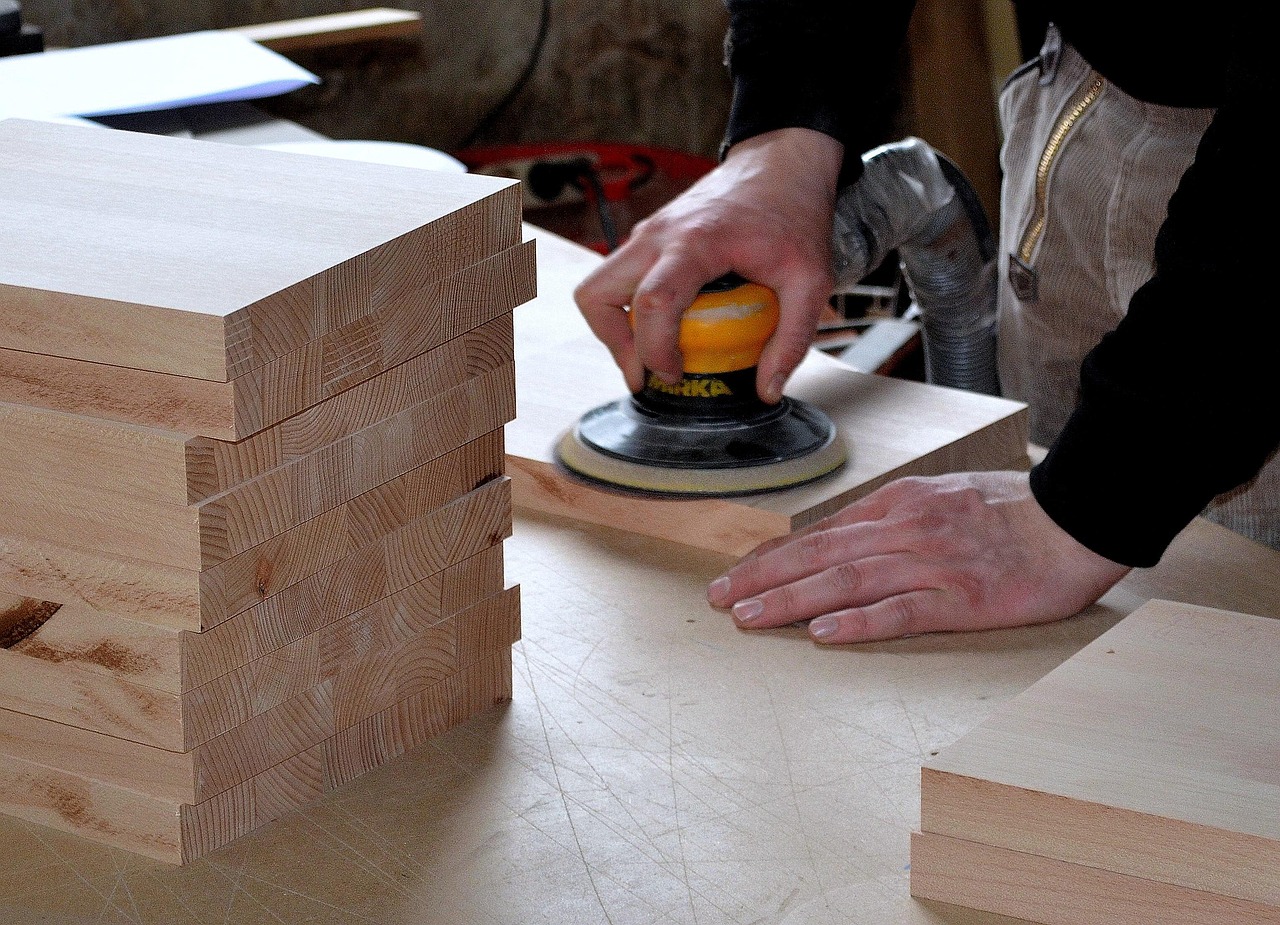
The advantage is workflow efficiency. A rail-guided cut can move from sheet goods to edge banding with less cleanup. A sander connected to a quality extractor reduces dust on the workpiece and in the room. A consistent storage and accessory system also saves time when moving from shop to site.
The limitation is cost. Festool can be hard to justify if the main work is rough outdoor projects, construction lumber, or occasional weekend repairs. It is strongest when the tool system prevents mistakes, speeds finishing, or protects a high-value work environment.
Bosch is also worth comparing for woodworking accuracy. Its routers, jigsaws, sanders, measuring tools, and blue professional tools have long been common in workshops. Bosch also matters because of AMPShare, which broadens 18V battery compatibility across participating brands. That can be useful for users who want Bosch core tools but may also need specialty tools from other AMPShare partners. (bosch-professional.com)
Cordless jobsite platforms for carpenters and remodelers
For site carpentry, battery availability can matter more than one standout tool. DeWalt, Makita, and Milwaukee are often the safest brands to compare first because their cordless platforms cover drills, impact drivers, circular saws, recip saws, oscillating tools, routers, nailers, lights, vacuums, and outdoor or trade-specific tools.
DeWalt is a strong all-around choice for remodelers and carpenters who want broad retail availability in the United States. Its 20V MAX and FLEXVOLT ecosystem makes sense for users who need everything from drills and trim saws to heavier cutting tools. DeWalt is not always the most refined woodworking choice in every category, but its practical strength is platform breadth, frequent kits, and easy replacement access.
Makita is attractive for woodworkers who value balance, ergonomics, and a deep LXT system. The LXT platform also supports 18V X2 tools that use two 18V batteries for higher-demand applications. That structure lets users stay within one battery family while covering both compact tools and more power-hungry saws or outdoor equipment.
Milwaukee is especially strong for contractors who also do electrical, plumbing, mechanical, or demolition work. For pure furniture-making, Milwaukee may not be the first name that comes to mind. For a remodeling crew that needs drills, fasteners, saws, lights, vacuums, and specialty trade tools, the M18 platform can be very compelling.
The key buying rule is simple: do not choose a cordless platform based on one discounted drill kit. List the next five tools you expect to buy. If the brand has strong versions of those tools, common batteries, good chargers, and local service support, the platform is more likely to be a sound long-term fit. See also: Tool Categories.
Value brands for beginners and weekend woodworkers
Ryobi is one of the most practical options for beginners because the ONE+ system is broad, affordable, and easy to understand. Ryobi says the platform dates back to 1996 and now includes over 300 compatible products, which is useful for homeowners who want one battery family for woodworking, repair, cleaning, and yard tasks. (ryobitools.com)
For a new woodworker, the best first purchases are usually not the most expensive versions of every tool. A reliable drill, random-orbit sander, circular saw or track-compatible saw, jigsaw, router, clamps, square, straightedge, and dust-control setup will teach more than a wall full of premium tools. Spend more where accuracy or safety matters, and save where the tool is used lightly.
Skil, Craftsman, Ridgid, and similar mid-market brands can also make sense, especially when a kit includes the exact tools a beginner needs. The caution is long-term ecosystem depth. Some budget platforms are excellent for drills and saws but weaker in routers, sanders, dust extraction, specialty woodworking accessories, or replacement parts.
A smart compromise is to buy value tools for general household tasks and step up to a higher-grade brand for the woodworking tools that directly affect final quality. For example, a hobbyist might use a value drill platform but choose a better sander, router, table saw, or track saw because those tools influence fit and finish.
Do not overlook stationary shop machine brands
Handheld power tool brands are only part of the woodworking picture. Table saws, bandsaws, jointers, planers, drill presses, dust collectors, and lathes should be evaluated by machine category. A brand that makes excellent cordless drills may not be the best choice for a cabinet saw, and a strong stationary-machine company may not offer the cordless ecosystem needed on site.
SawStop is often discussed when table saw safety is a priority. CPSC rulemaking materials have treated blade-contact injuries as a major table saw safety issue, including estimates of emergency-department-treated injuries and amputations. Regardless of brand, buyers should consider riving knives, blade guards, push sticks, stable fences, braking technology, and safe work habits as part of the purchase decision. (reginfo.gov)
Powermatic and Jet are common comparisons for serious shop machines, while Laguna and Grizzly often enter the conversation for bandsaws, dust collection, and value-oriented stationary equipment. Instead of asking which overall brand is best, compare machine specifications: motor power, fence quality, table flatness, dust-port design, footprint, voltage requirements, mobility, parts availability, and real shop support.
A practical buying framework
If you are choosing among woodworking tool brands, start with the work rather than the logo. The following framework helps prevent expensive platform mistakes:
- Define your main work. Furniture, cabinetry, trim, framing, renovation, turning, and hobby projects need different tools.
- Choose corded or cordless by task. Cordless is excellent for mobility; corded can still make sense for routers, sanders, planers, and stationary machines used in one place.
- Buy for dust control early. A good extractor, hose setup, or dust collector can improve accuracy, cleanup, and working conditions.
- Prioritize accuracy tools. Spend more on the saw, router, sander, or measuring tools that determine final fit.
- Check accessory availability. Blades, abrasives, guide rails, batteries, chargers, and replacement parts affect long-term value.
- Avoid unnecessary platform switching. Owning two battery systems is fine; owning five usually adds cost and clutter unless each has a clear purpose.
For many readers, the best path is a hybrid setup: one primary cordless platform for drills, drivers, saws, lights, and site tools; one precision-focused system for sanding, rail cutting, or dust-sensitive work; and separate stationary machines chosen by category.
Frequently asked questions
What is the best woodworking tool brand overall?
There is no single best brand for every woodworker. Festool is excellent for precision and dust-controlled workflows, while DeWalt, Makita, and Milwaukee are stronger choices for broad cordless jobsite platforms. Beginners may get better value from Ryobi or other mid-market brands before upgrading specific tools.
Is Festool worth it for woodworking?
Festool is worth considering if your work benefits from accurate guide-rail cutting, efficient sanding, dust extraction, and system accessories. It is harder to justify for rough work, occasional repairs, or buyers who mainly need budget cordless tools.
Should I stay with one battery platform?
One battery platform reduces cost and clutter, but it should not force bad tool choices. Many serious users keep one main cordless platform and add a second system only when it solves a real problem, such as better sanding, specialty fastening, or a tool their main brand does not offer.
Are budget tool brands good enough for woodworking?
Budget brands can be good enough for learning, DIY projects, and occasional shop work. Upgrade first where the tool affects accuracy, dust control, or safety: saws, routers, sanders, dust collection, and stationary machines usually deserve the most careful comparison.
What should a beginner buy first?
A practical beginner kit includes a drill and driver, circular saw or track-compatible saw, random-orbit sander, jigsaw, router, clamps, square, straightedge, hearing and eye protection, and some form of dust collection. Brand choice matters, but learning accurate layout and safe tool use matters more.