
Is the Best Cordless Tire Inflator the Ultimate Tool for Precision Air Control
I’m a Car Enthusiast and Gear Reviewer, and These Are the Portable Tire Inflators I Recommend
Portable tire inflators have become indispensable in modern garages and roadside kits. The best cordless tire inflator today blends digital precision, strong battery output, and ergonomic design that suits both professionals and enthusiasts. After reviewing dozens of models across brands, the conclusion is clear: efficiency, PSI accuracy, and battery life define real performance. The top inflators share DNA with other pro-grade cordless tools—balanced motors, smart sensors, and rugged housings. These devices are no longer just emergency gadgets; they’re essential maintenance instruments for anyone serious about vehicle care.
The Role of Cordless Tire Inflators in Modern Automotive Maintenance?
Cordless tire inflators evolved from simple hand pumps into sophisticated digital devices. Their development mirrors broader trends in automotive technology—mobility, efficiency, and precision.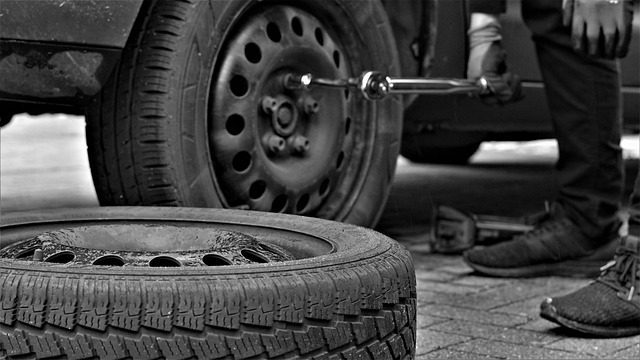
The Evolution of Portable Tire Inflation Technology
Early manual inflators required physical effort and offered little control over pressure levels. Mechanics often relied on analog gauges that drifted out of calibration over time. The shift to corded electric pumps improved speed but limited mobility due to power cable constraints. The current generation of cordless systems changed that dynamic completely by integrating lithium-ion batteries and compact motors. Many now feature digital pressure sensors that automatically stop inflation once the preset PSI is reached, preventing overinflation—a key advancement for consistent results.
Why Precision Air Control Matters for Automotive Experts
Accurate tire pressure directly affects handling stability, braking distance, fuel economy, and tread wear. Even a 2 PSI deviation can alter cornering response in performance vehicles or reduce fuel efficiency by several percent in daily drivers. For high-performance cars tuned to tight tolerances, maintaining exact PSI becomes part of the suspension setup itself. Advanced inflators with digital readouts allow repeatable results that meet workshop standards without relying on external gauges.
Key Features That Define a High-Performance Cordless Tire Inflator
Professionals evaluate inflators not only by how fast they fill a tire but also by how consistently they perform under frequent use. Battery chemistry, motor design, and control accuracy form the technical foundation of quality.
Battery Efficiency and Power Output
Battery voltage determines torque output while amp-hour ratings dictate runtime. Most high-end models use 18V or 20V lithium-ion packs similar to those found in power tools like the best reciprocating saw units used in workshops. Compared with older nickel-cadmium cells, lithium-ion batteries charge faster and hold energy longer without memory effect. For field mechanics or track technicians, the balance between charging time and inflation speed defines productivity during back-to-back jobs.
Pressure Accuracy and Control Mechanisms
Digital gauges have replaced analog dials because they display real-time readings within 0.5 PSI accuracy on average. Automatic shutoff systems use internal sensors calibrated at factory level to prevent overpressure damage to tires or valve stems. Over time, recalibration may be required every six months depending on usage frequency to maintain reliability—especially when operating across temperature extremes that affect sensor sensitivity.
Build Quality and Ergonomic Design Considerations
Durability matters as much as precision. Professional-grade inflators use reinforced polymer or aluminum housings capable of withstanding drops or vibration from workshop floors. Weight distribution is carefully balanced so extended operation doesn’t cause wrist fatigue during multiple inflations per day. Some designs incorporate cooling vents around the motor assembly to dissipate heat efficiently during continuous duty cycles.
Evaluating Performance Metrics Among Leading Cordless Tire Inflators
Comparative testing among leading models reveals how engineering choices translate into measurable outcomes such as inflation speed, noise reduction, and long-term stability.
Inflation Speed and Pressure Range Capabilities
Inflation speed typically ranges from 2–6 minutes for a standard car tire from 0–35 PSI depending on compressor displacement rate (liters per minute). Professional inflators designed for trucks or SUVs often support maximum pressures above 150 PSI with adjustable modes for different tire types including off-road setups requiring rapid air-down/air-up cycles after terrain changes.
Noise Levels, Vibration Control, and Operational Stability
Noise reduction engineering uses insulated motor mounts and optimized air channels that minimize mechanical resonance during operation. Vibration damping pads stabilize the unit when placed on concrete surfaces—important for maintaining steady readings while filling tires at precise increments. Balanced rotors contribute significantly to long-term reliability since unbalanced components accelerate bearing wear.
Comparing Cordless Tire Inflators with Other Automotive Tools for Precision Work
Cordless inflator design borrows heavily from advancements made in other power tools where torque control and energy management are critical factors.
Insights from Cross-Tool Performance: The Case of Reciprocating Saws
Both cordless inflators and reciprocating saws depend on efficient brushless motors that deliver high torque while conserving battery life. Lessons learned from saw ergonomics—such as vibration isolation grips—translate directly into more stable handling for compact compressors used in tight engine bays or roadside conditions.
Selecting the Right Cordless Tire Inflator for Expert Applications
Choosing the best cordless tire inflator requires matching its specifications to real-world tasks rather than headline numbers alone.
Factors to Consider Before Purchase
Intended Use Cases and Vehicle Types
A sports car demands fine PSI control within narrow margins; an off-road truck needs higher flow rates for large tires; commercial fleets prioritize duty-cycle endurance over compactness.
Battery System Compatibility Across Tool Ecosystems
Professionals benefit when their inflator shares battery platforms with existing workshop tools such as drills or impact wrenches—reducing downtime between tasks.
Digital vs Analog Controls Based on User Preference
Digital panels allow precise adjustments but can be harder to operate with gloves; analog knobs provide tactile feedback preferred by some technicians during quick roadside fixes.
Maintenance Practices for Longevity and Accuracy Retention
Routine Calibration Techniques for Digital Gauges
Calibration should occur quarterly under controlled temperature using certified reference gauges following ISO/IEC measurement standards.
Proper Storage Conditions for Battery Preservation
Batteries last longest when stored between 10°C–25°C at partial charge rather than full capacity.
Cleaning and Lubrication Guidelines for Air Valves
Regular cleaning prevents dust buildup around valve connectors ensuring airtight seals critical for accurate readings during repeated use.
Future Trends in Cordless Tire Inflation Technology for Professionals
The next generation of portable inflators will merge connectivity with smarter energy systems designed around predictive maintenance principles.
Integration with Smart Vehicle Systems and IoT Platforms
Bluetooth-enabled units can sync with onboard diagnostics through OBD-II interfaces allowing automatic detection of low-pressure events before they become safety issues. Data analytics integrated via mobile apps could soon predict when tires require service based on historical usage patterns rather than fixed intervals.
Advancements in Battery Chemistry and Motor Design
Solid-state batteries promise higher energy density enabling smaller yet more powerful devices suitable for continuous professional operation. Brushless DC motors already dominate premium segments due to reduced friction losses which extend service life even under heavy workloads typical of garage environments.
Practical Recommendations from an Automotive Gear Reviewer’s Perspective
Real-world usability often diverges from lab specifications; an inflator might excel on paper yet feel cumbersome during repeated daily use across varied conditions like heat or humidity.
Evaluating Real-world Usability Beyond Specifications
Field tests show that well-designed user interfaces save minutes per job compared with units requiring manual resets after each inflation cycle—a small but meaningful productivity edge in busy garages.
Prioritizing Value Over Price in Professional Tool Selection
Durability combined with cross-platform compatibility usually delivers better long-term value than chasing lower upfront cost models lacking spare part support or calibration service options available through professional networks.
FAQ
Q1: What makes a cordless tire inflator better than a corded one?
A: Mobility is the main advantage; cordless units eliminate dependency on external power sources while maintaining strong output through advanced lithium-ion batteries.
Q2: How often should a digital gauge be recalibrated?
A: Typically every three to six months depending on frequency of use or exposure to extreme temperatures affecting sensor accuracy.
Q3: Can one battery platform power both an inflator and other tools?
A: Yes, many professional ecosystems allow shared batteries across multiple devices including drills or reciprocating saws improving workflow efficiency.
Q4: What PSI range suits most passenger vehicles?
A: Between 30–35 PSI covers standard sedans while SUVs may require up to 45 PSI depending on load rating specified by manufacturers.
Q5: Are brushless motors worth paying extra for?
A: Absolutely; they run cooler, last longer, produce less vibration, making them ideal for heavy-duty professional applications where reliability matters most.