
Is The DeWalt 12 Miter Saw Recall A Turning Point For Power Tool Safety
Health Canada Issues Major Recall on DeWalt Saws After Multiple Injuries
Health Canada has announced a major recall of DeWalt 12-inch miter saws after multiple injury reports linked to defective safety components. The recall affects thousands of units across North America, highlighting deeper issues in power tool manufacturing oversight and product testing. Experts note that the incident underscores the need for stronger quality control and more transparent reporting mechanisms between manufacturers and regulators. This event is reshaping how tool makers approach safety design, certification, and post-market surveillance.
Overview of the DeWalt 12 Inch Miter Saw Recall
The DeWalt 12-inch miter saw recall marks one of the most significant power tool safety actions in recent years. It not only affects professional users but also raises broader questions about regulatory vigilance and manufacturer accountability.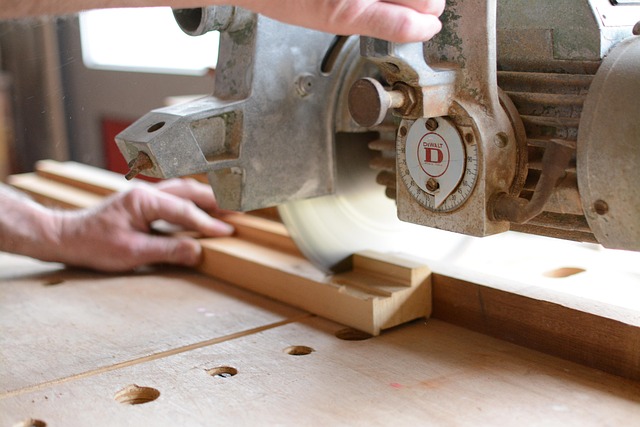
Background and Scope of the Recall
Health Canada’s notice confirmed that several models of DeWalt 12-inch sliding compound miter saws were recalled due to potential hazards associated with the rear guard assembly. The affected models include DWS779, DWS780, and DHS790, produced between 2019 and 2022. Serial numbers within specific ranges were identified as part of the recall campaign across Canada, the United States, and Mexico. The recall began in mid-2023 following similar actions by U.S. authorities earlier that year. This cross-border coordination reflects a growing emphasis on unified North American product safety enforcement.
Reported Incidents and Identified Safety Hazards
Prior to the recall, users reported incidents where the rear blade guard assembly either detached or broke during operation, exposing rotating blades. Some injuries included lacerations requiring medical attention. Mechanical analysis suggested that stress fractures developed along the plastic guard hinge under repeated use. These failures pointed to material fatigue rather than isolated misuse cases. When compared with other tool recalls—such as recent chain saw recalls involving faulty chain brakes—the pattern reveals recurring weaknesses in component durability testing under real-world conditions.
Analysis of Potential Design or Manufacturing Flaws Leading to Safety Risks
Investigators found inconsistencies in molding quality from one production batch to another, suggesting potential supplier-level deviations from design specifications. The issue was compounded by insufficient torque resistance in mounting screws connecting the guard housing to the frame. Such flaws indicate lapses in final-stage inspection protocols rather than conceptual design errors alone.
Regulatory Oversight and Industry Response
The recall demonstrates how regulatory frameworks adapt when safety risks emerge across borders. Health Canada’s collaboration with U.S. agencies such as the Consumer Product Safety Commission (CPSC) ensured consistent communication to consumers and distributors.
Health Canada’s Role in Product Safety Enforcement
Health Canada enforces power tool safety under the Canada Consumer Product Safety Act (CCPSA). The agency monitors injury reports through its incident database and initiates recalls when products pose “an unreasonable hazard to human health or safety.” In this case, coordination with DeWalt’s parent company facilitated rapid dissemination of warnings through retailers and digital channels. The agency also liaised with provincial occupational safety boards to alert professional contractors using affected tools on job sites.
Manufacturer Accountability and Corrective Measures
DeWalt issued an official statement acknowledging the defect and immediately suspended distribution of impacted models. Consumers were advised to stop using their saws until inspected or repaired at authorized service centers. Replacement guards were offered free of charge along with detailed installation instructions online and via mail-in repair options for remote users. Internally, DeWalt initiated a supplier audit program aimed at verifying polymer composition consistency across its global manufacturing network.
How Manufacturers Are Improving Quality Assurance Processes After the Event
Following this event, manufacturers have increased reliance on accelerated life-cycle testing for moving components like blade guards and locking levers. Statistical sampling frequency during production runs has been raised from quarterly to monthly intervals for high-risk assemblies.
Impact on Industry Safety Standards
This recall has triggered an industry-wide reassessment of engineering benchmarks governing cutting tools, especially those involving high-speed rotating components.
Reassessment of Power Tool Design Protocols
Manufacturers are now revisiting design validation processes focusing on repetitive stress endurance for plastic housings and guard hinges. Blade guard mechanisms are being redesigned using reinforced composites or aluminum alloys instead of thermoplastic alone. Locking systems now undergo vibration simulation tests reflecting prolonged site use conditions rather than laboratory environments.
Increased Focus on Blade Guard Mechanisms, Locking Systems, and Material Integrity
Post-recall reviews highlight that even minor deviations in polymer curing temperature can drastically alter impact resistance over time. Engineers are therefore integrating real-time monitoring sensors into production lines to detect such anomalies before shipment approval.
The Growing Role of Predictive Testing in Identifying Potential Hazards Pre-Launch
Predictive testing using finite element modeling (FEM) now plays a larger role during pre-launch evaluation phases. By simulating wear cycles equivalent to years of use within hours, manufacturers can pinpoint weak points early without waiting for field data accumulation.
Influence on Compliance and Certification Practices
Revisions are underway within certification bodies like CSA Group and UL Standards & Engagement to tighten compliance requirements for consumer-grade power tools sold in North America.
Updates in Certification Requirements from CSA, UL, and Other Safety Bodies
New certification criteria emphasize redundant containment features around moving blades, improved locking pin retention strength, and enhanced traceability for component sourcing documentation.
Integration of More Stringent Auditing Procedures for Tool Manufacturers
Third-party auditors now conduct unannounced inspections at overseas facilities producing critical assemblies such as motor housings or blade guards—a practice once limited mainly to electrical component suppliers.
The Impact on Supplier Compliance Chains Within the Power Tools Sector
Suppliers are required to maintain digital trace logs linking each batch number with raw material certificates verified by accredited laboratories, reinforcing accountability throughout the supply chain.
Broader Implications for Power Tool Manufacturers
The DeWalt recall has become a reference point for assessing corporate risk management maturity across competing brands within the power equipment market.
Shifts in Risk Management Strategies Across Brands
Rival firms have begun implementing predictive maintenance analytics within their warranty tracking systems to identify defect trends before they escalate into full recalls. Internal risk committees now review near-miss incident data quarterly instead of annually.
Adoption of Proactive Monitoring Systems to Detect Early Warning Signs of Defects
Some manufacturers deploy IoT-enabled test benches capable of streaming operational stress data directly from prototype units during pilot runs—allowing engineers to intervene before mass production begins.
The Strategic Importance of Transparent Reporting to Maintain Brand Trust
Transparency has become a competitive differentiator; brands that disclose corrective actions promptly tend to recover consumer confidence faster than those perceived as withholding information during crises.
The Role of Recalls in Shaping Consumer Perception and Market Dynamics
High-profile recalls influence not only immediate sales but also long-term brand positioning among professionals who rely heavily on equipment reliability for livelihood continuity.
The Effect of High-Profile Recalls on Professional User Confidence
Contractors often base purchasing decisions on perceived dependability rather than price alone; thus repeated recalls can erode trust even if resolved efficiently.
Market Responses Including Increased Demand for Verified-Safe Alternatives
Retailers report rising demand for third-party verified-safe alternatives following major recalls—particularly from brands emphasizing “field-tested” certifications prominently on packaging.
Long-Term Brand Implications for DeWalt and Its Competitors Within the Segment
While short-term losses may be mitigated through repair programs, lingering doubts about quality control could shift loyalty toward competitors investing more visibly in preventive engineering measures.
Future Directions in Tool Safety Innovation
The next generation of power tools will integrate smarter technologies designed not only for performance but also predictive protection against failure modes observed in past recalls.
Emerging Technologies Enhancing Operational Safety
Smart sensors embedded within miter saw housings can monitor vibration amplitude or motor load anomalies indicative of mechanical fatigue. AI-driven diagnostics will eventually predict component wear patterns based on user behavior data collected anonymously via connected devices.
Use of AI-Driven Diagnostics to Predict Component Wear or Malfunction Risks
These algorithms can flag potential failures weeks before they occur—allowing preventive maintenance scheduling similar to aviation-grade predictive maintenance systems adapted for industrial tools.
Advancements in Ergonomic Design Aimed at Reducing Operator Injury Rates
Ergonomics research is influencing handle geometry optimization and trigger force calibration aimed at reducing repetitive strain injuries common among frequent users handling heavy-duty cutting equipment daily.
Collaboration Between Regulators, Engineers, and Industry Stakeholders
Regulators increasingly advocate multi-stakeholder collaboration frameworks combining engineering expertise with real-time field feedback loops from end users themselves.
Development of Unified Safety Standards Through Cross-Industry Partnerships
Joint committees between regulatory agencies, trade associations, and leading manufacturers are developing harmonized standards addressing both mechanical integrity metrics and electronic control reliability thresholds simultaneously.
Shared Databases for Defect Tracking and Injury Prevention Analytics
Plans are underway for shared digital registries allowing anonymized defect trend analysis accessible by certified manufacturers—improving collective learning speed following incidents like this dewalt 12 inch miter saw recall or chain saw recall cases seen previously across markets.
Opportunities for Continuous Improvement Through Data-Driven Feedback Loops
By integrating consumer feedback channels directly into product lifecycle management systems, companies can transform post-sale experiences into actionable design refinements feeding future innovation cycles efficiently.
FAQ
Q1: Which DeWalt models are included in this recall?
A: Models DWS779, DWS780, and DHS790 manufactured between 2019–2022 are included due to rear guard defects identified by Health Canada’s investigation.
Q2: What should owners do if they have an affected unit?
A: Owners should stop using their saw immediately and contact DeWalt customer service for inspection or free replacement parts provided under the official recall program.
Q3: How many injuries have been reported so far?
A: Several laceration incidents requiring medical treatment were confirmed prior to recall issuance; no fatalities have been reported as per official statements from regulators.
Q4: Are similar issues found in other power tools?
A: Comparable structural failures have occurred in some chain saw recalls where chain brake assemblies malfunctioned under high torque loads due to material fatigue factors akin to those seen here.
Q5: How is this recall expected to affect future product designs?
A: It will likely drive broader adoption of predictive testing technologies, stricter supplier audits, and new composite materials engineered specifically for higher impact resilience across all rotating-blade tools.