
Is The DeWalt Battery Recall Linked To Common Power Tool Failures
5 Of The Most Common Problems With DeWalt Power Tool Batteries
DeWalt power tool batteries see lots of use on job sites and in factories. Even well-known brands run into trouble from time to time. The recent DeWalt battery recall brought up problems like overheating, fast power drain, and loose connections. These issues can hurt how the tools work and even create safety risks. Reports from users and checks on the recall show that many of these troubles come from uneven builds in the factory, heat that builds up inside, and small faults in the control chips. Workers who use cordless tools every day need to spot these patterns early. Doing so helps keep the batteries working longer and cuts down on sudden stops during a shift.
Overview of the DeWalt Battery Recall
The DeWalt battery recall pointed out some real safety problems in certain lithium-ion packs. This part looks at which models got pulled back, why the recall happened, and what officials did to lower the dangers.
Understanding the Scope and Purpose of the Recall
The recall covered certain 18V and 20V MAX lithium-ion battery packs sold from 2016 to 2022. People reported packs getting too hot while charging or while in use. DeWalt said the main cause was possible short circuits inside the cell groups. These shorts could lead to quick heat spikes and even fire risks. The danger grows when packs sit near wood shavings or stay plugged into chargers overnight. Officials noted that tiny flaws in the thin plastic sheets between cells or in the liquid inside can turn into big safety issues fast.
Many crews on outdoor jobs learned this the hard way. One framing team in the Midwest kept packs on the charger in a cold truck bed all night. By morning one pack felt warm to the touch and gave off a faint smell. That kind of slow overnight charge lined up with several of the cases officials later studied. The same thing happened on a Texas renovation site where summer heat pushed garage temperatures over ninety degrees. Workers there noticed the packs swelled a little after repeated long charges. These real-world examples helped regulators trace the pattern back to the factory batches made during those years.
Regulatory and Industry Response to the Recall
Safety groups told users to stop using the recalled packs right away and send them back for checks or new ones. DeWalt followed common steps used across the tool industry to track every pack by its serial number and batch code. While recalls can slow down shipping for a while, they also push makers to take more care. Shops that sell lots of pro tools had extra work sorting returns, yet they gained clearer rules on how to handle warranty claims after the recall ended.
Some distributors said the extra paperwork took two full weeks to finish. One large supplier in the Southeast had to set up a special corner in the warehouse just for the returned packs. The clear serial tracking helped them avoid mixing good and bad units. In the end most shops felt the new warranty steps made future claims easier to handle.
Common Problems Associated With DeWalt Power Tool Batteries
Apart from the recall, field reports still mention several common troubles with DeWalt power tool batteries. These show up as heat buildup, uneven power output, charger problems, early loss of run time, and weak links between the pack and the tool.
Battery Overheating During Operation
Heavy loads pull a lot of power and cause heat to form inside the cells. When air cannot move freely around the pack or when fine dust blocks the vents, the inside temperature rises quickly. That extra heat makes the cell parts wear out sooner and shortens how many times the battery can be charged. Packs from the recalled groups showed fast temperature jumps during tests in the middle of a charge. Workers using rotary hammers or angle grinders often saw the tool shut off early because the built-in safety circuit kicked in.
Take a concrete cutting crew on a bridge repair job. They ran two 20V MAX packs back to back for six hours straight. By the third hour both packs felt hot on the sides even though the day was only seventy degrees. Dust from the cuts had settled on the vents and trapped the heat. After that day the crew started blowing the packs clean with low-pressure air every lunch break. They noticed the packs stayed cooler and lasted through longer stretches of work.
Rapid Discharge or Inconsistent Power Output
Sudden drops in voltage often come from poor cell balance or weak spots where the cells connect. Bad solder joints create small differences in resistance, so some cells work harder than others. Errors in the Battery Management System can make things worse by reading the wrong voltage or skipping balance steps while the pack sits idle. On jobs that need steady power, such as driving long screws with an impact driver, this leads to tools that surge then fade without warning. Data from the recall checks showed the same sudden power loss under normal loads matched certain older firmware versions.
One electrician on a hospital remodel job kept a log of his packs. He found that two out of five packs would drop from full to half in under twenty minutes when used with a reciprocating saw. After he swapped to newer firmware packs the same saw ran closer to forty minutes on a single charge. The difference showed up most during cuts through metal studs where steady torque matters.
Charging Malfunctions and Compatibility Issues
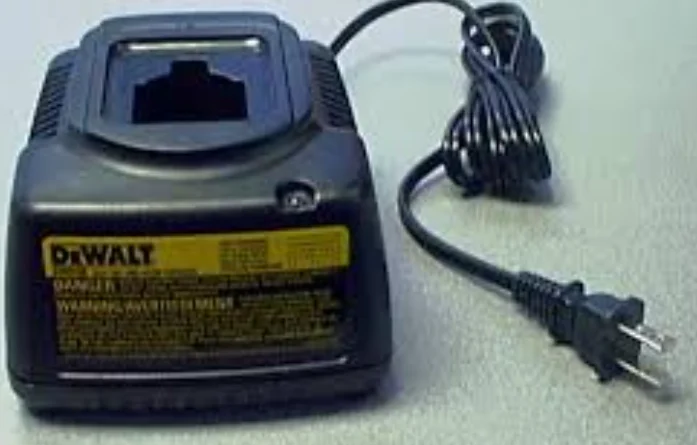
Charger trouble often starts when the charger software does not match the newer battery models. Some older chargers cannot read the updated signals inside the smart packs, so they stop early or show a full light when the pack is only partly charged. Using chargers from other brands can also cause low charge levels or extra heat. Later, DeWalt updated the charger software to handle the handshake better and keep current steady in the first minutes of charge. Tests showed recalled packs had more charge failures than newer ones made after the microcontroller changes.
A flooring installer in Florida learned this after buying a used charger at a pawn shop. His 20V MAX packs would reach only eighty percent and then the light turned green. He switched back to the original charger and the packs filled all the way again. The difference saved him from carrying extra packs on long days when he needed to finish baseboard runs before the end of shift.
Reduced Battery Life and Capacity Loss Over Time
Lithium-ion cells lose capacity naturally after many charge cycles because the inner parts slowly break down. High heat or leaving packs fully charged for weeks speeds up the loss. Users who work outside in damp weather often see capacity drop faster than those who store packs inside at room temperature. Uneven thickness on the coated parts inside the cells was one reason some recalled packs aged early. After the recall, DeWalt tightened checks on how evenly the coating slurry spreads during production.
A landscaping crew in the Pacific Northwest tracked their packs for a full year. Packs kept in a heated truck cab during winter lost ten percent more capacity than those stored in a cool shed. The crew now rotates packs so none sit at full charge longer than two days. They also keep a simple notebook with dates of first use and current run time to catch early drops.
Connection Failures Between Battery and Tool Interface
Loose fits between the pack and tool keep coming up as a complaint from crews who swap packs many times a day. Wear on the metal contacts or bent lock tabs can cause power to cut in and out during tasks with lots of vibration, such as drilling into concrete or sawing metal. Moisture that gets inside can also form rust on the high-current points. During the recall review, some bad packs showed small cracks near the latch area that let the pack rock slightly over time.
A metal fabricator noticed his grinder would lose power every few minutes when he leaned into a long cut. He cleaned the contacts with a plastic brush and the problem eased for a while. Later he found a small crack in the latch housing on that pack. After he replaced the pack the grinder ran steady again. He now checks the latch fit on every new pack before the first use on site.
Evaluating Links Between the Recall and Common Failures
The match between what users reported and what the recall found gives clues about weak points in certain production runs of DeWalt batteries.
Cross‑Referencing Failure Data With Recall Reports
Engineers compared user notes with lab results from safety offices. Many heat spikes during charge matched the exact hazards listed in the recall notice. This match pointed to design weak spots rather than simple user mistakes as the main cause in most cases.
One lab report showed temperature graphs from recalled packs rising twenty degrees higher than later models during the same test. The pattern matched what several users described after using the packs on framing guns for more than an hour straight.
Assessing Manufacturing Consistency Across Battery Batches
Factory audits linked bad parts to certain lines that ran with loose humidity control during the layer-pressing step. Later fixes added camera checks for weld strength and more tests at the end of the line to measure internal resistance. These steps aimed to catch hidden flaws before packs left the plant.
Workers on the line said the new camera system caught about three bad welds per shift that older visual checks had missed. That small change cut the number of returns from one shop by almost half in the six months after the update.
Implications for Professional Users and Maintenance Practices
Experts suggest regular checks for clean terminals, solid case condition, and watching pack temperature during use. Packs not part of the recall still gain from simple care such as running a full balance charge every few months with the original charger. Firmware updates sent out after the recall added light signals that warn early about balance problems. This helps crews keep tools running without surprise stops on the job.
Many shops now print a short checklist and tape it inside the gang box. The list reminds workers to wipe contacts, check for cracks, and note run time once a week. Crews that follow the list report fewer midday power losses and longer overall pack life.
The Broader Impact on Industry Standards and Brand Reliability
Recalls can shake buyer trust for a short time, yet they also push the whole cordless tool field to test products more strictly.
How Recalls Influence Perception of Safety and Quality Control
Among working pros, recalls remind everyone that even big brands must keep improving their checks. Contractors often like clear fixes and honest talk about the root cause more than polished ads. Testing rules across the industry have moved toward tougher drop, crush, and heat tests that match newer safety standards for lithium-ion packs.
One large contractor group in the Midwest now asks tool makers for test data sheets before buying in volume. They say the extra step gives them more confidence after seeing how the DeWalt recall played out.
Future Directions for Battery Design and Risk Mitigation
Upcoming DeWalt packs are expected to use better heat-spreading plates made from layered aluminum to move heat away faster during long runs. New balance programs will share charge more evenly across cell groups and lower stress differences over time. Makers are also testing built-in sensors that track resistance changes and flag likely faults before they happen. This could lead to tools that tell the user when a pack needs service before it fails on the job.
Early tests with these sensors on a prototype pack showed a warning light two charges before the pack started to overheat. That kind of early notice could save crews from lost time on tight deadlines.
FAQ
Q1: Which DeWalt battery models were part of the recent recall?
A: The recall covered selected 18V XR and 20V MAX lithium-ion packs produced between 2016 and 2022 due to possible overheating risks tied to internal short circuits.
Q2: How can users identify if their battery is affected?
A: Each recalled unit has a batch code printed near the terminal contacts. Users can check the code with the lookup tools on the DeWalt service site or at an authorized center.
Q3: What immediate steps should be taken if a battery overheats?
A: Unplug the pack from the charger and tool at once. Move it away from anything that can burn. Let it cool on its own, then call support before trying to use it again.
Q4: Do third-party chargers increase malfunction risk?
A: Yes. Non-original chargers often lack the right signals to control voltage correctly. This can leave packs undercharged or cause extra heat during charge.
Q5: How can professionals extend battery lifespan?
A: Keep packs at about half charge in cool spots under seventy-seven degrees. Wipe terminals often. Avoid running packs all the way down every time. Install firmware updates through approved service tools when they come out.