
What Does a Tap and Drill Bit Size Chart Reveal About Bolt Failures
The Best Drill Bits for Stainless Steel, Tested and Reviewed by Experts
Selecting the right drill bit for stainless steel isn’t just about sharpness; it’s about material science, precision, and long-term tool stability. After extensive testing, experts agree that cobalt and carbide-tipped bits deliver the best combination of cutting efficiency and durability. High-speed steel (HSS) bits remain reliable for lighter work, but cobalt alloys outperform under high heat and load. Titanium nitride coatings further extend lifespan by reducing friction. When paired with an accurate tap and die drill bit size chart, these bits maintain thread integrity even in hardened stainless grades.
Understanding the Relationship Between Tap and Die Drill Bit Size Charts and Stainless Steel Performance?
Precision machining of stainless steel relies heavily on accurate hole sizing before threading. The tap and die drill bit size chart provides a structured reference that links pilot hole diameters to specific tap sizes, ensuring threads are neither too tight nor too loose. For stainless steel, where hardness and work hardening are common issues, this relationship becomes critical.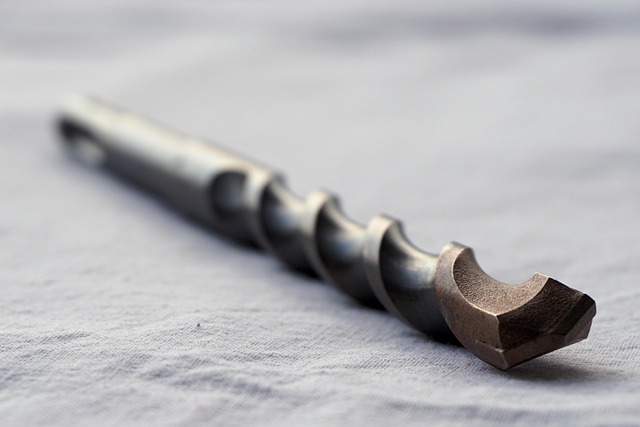
The Role of Drill Bit Sizing in Metalworking Precision
Proper drill bit sizing is essential to achieve accurate threading and prevent premature tool wear. In stainless steel applications, even a 0.1 mm deviation can lead to thread stripping or poor fit during assembly. Incorrect sizing increases torque demand, which accelerates wear on both the bit and the tap. Given stainless steel’s high tensile strength, professionals often allow slightly larger pilot holes to offset material resistance while maintaining thread engagement.
How the Tap and Die Chart Guides Material Compatibility
A tap and die drill bit size chart serves as a universal guide for matching taps with their corresponding pilot holes across different materials. However, stainless steel’s tendency to work harden means machinists sometimes adjust downfeed pressure or use intermediate sizes not listed on standard charts. By interpreting these charts correctly, operators can reduce tool stress while improving accuracy in threading operations.
Evaluating Drill Bit Composition for Stainless Steel Applications
The performance of a drill bit depends not only on its geometry but also on its base material composition. Stainless steel demands bits that can withstand heat buildup without losing hardness or chipping under stress.
Material Properties Affecting Cutting Efficiency
High-speed steel (HSS) remains a cost-effective option for general drilling but struggles under continuous heavy loads typical of industrial stainless applications. Cobalt alloys—often containing 5–8% cobalt—resist softening at high temperatures, maintaining edge retention longer than standard HSS bits. Carbide-tipped variants excel in automated setups where consistent speed is required over long cycles. Titanium nitride coatings further minimize friction during drilling by forming a hard surface barrier that dissipates heat efficiently.
The Impact of Alloy Composition on Tool Longevity
Cobalt’s inclusion enhances red hardness—the ability of a tool to retain cutting capability at elevated temperatures—making it ideal for dense metals like 316 stainless steel. Stable microstructures within these alloys also prevent edge chipping during tapping or die threading operations. Tool selection ultimately depends on the grade of stainless being machined; softer grades may tolerate HSS, whereas duplex or hardened types require cobalt or carbide-based tools.
Analyzing Threading Performance Through Tap and Die Mechanics
Threading efficiency depends on how well hole diameter aligns with tap geometry and feed rate control. Stainless steel’s elasticity makes this balance particularly sensitive; too much pressure or incorrect sizing can deform threads or seize taps mid-process.
The Relationship Between Hole Size and Thread Integrity
Undersized holes increase torque requirements dramatically, leading to broken taps or distorted threads. Oversized holes reduce engagement depth, weakening mechanical connections under load. Maintaining an optimal size preserves both cutting force balance and thread precision—key factors in achieving repeatable results across production batches.
Adjusting Feed Rate and Speed for Stainless Steel Threads
Machinists typically reduce spindle speed when working with stainless steel to prevent overheating at the cutting edge. Consistent lubrication using sulfur-based oils prevents galling—a common issue where metal surfaces fuse due to frictional heat—and ensures smooth chip evacuation from deep threads.
Surface Finishes and Their Influence on Drilling Outcomes
Surface treatments influence how tools interact with materials during drilling or threading operations. When combining metals like aluminum with stainless components, finish compatibility becomes vital for maintaining dimensional consistency.
Interaction Between Clear Anodized Aluminum Finish and Stainless Steel Tools
A clear anodized aluminum finish changes surface friction characteristics when contacted by stainless drill bits or taps. These anodized layers act as insulators but may hinder chip removal if not properly lubricated. Assessing compatibility between coatings prevents surface scoring or slippage during multi-material assemblies where both aluminum housings and stainless fasteners are used.
The Role of Surface Treatments in Reducing Wear During Drilling
Polished flutes inside a drill bit promote better chip evacuation from deep holes in tough metals like stainless steel. Anti-friction coatings such as titanium carbonitride minimize thermal transfer into the workpiece while extending tool life by reducing adhesion wear along cutting edges.
Practical Considerations for Using Tap and Die Sets on Stainless Steel
Tool maintenance practices often determine whether precision is sustained over time or degraded after repeated cycles. Lubrication strategy plays an equally crucial role in preventing tool failure during prolonged threading sessions.
Selecting the Appropriate Lubrication Strategy
Specialized cutting fluids designed for ferrous alloys dissipate heat effectively while lowering frictional drag between cutting edges and material surfaces. Sulfur-based oils improve final surface finish by forming protective films that reduce micro-welding at high-stress points within threads.
Maintenance Practices to Preserve Tool Accuracy Over Time
Routine inspection identifies uneven wear patterns before they compromise dimensional accuracy. Regrinding protocols restore edge sharpness while maintaining original diameter tolerances defined by the tap and die drill bit size chart specifications. Controlled storage environments protect precision tools from corrosion-induced degradation between uses.
Integrating Chart Data Into Advanced Machining Workflows
Modern machining integrates digital references directly into computer-aided design systems to streamline setup time while improving consistency across production runs.
Digital Reference Tools for Real-Time Sizing Adjustments
CAD-integrated databases now allow machinists to select optimal tap sizes automatically based on material type input parameters such as hardness rating or alloy composition. Automated systems then adjust drilling speeds dynamically when switching between different grades of stainless steel without manual recalibration.
Optimizing Production Efficiency Through Standardized Chart Usage
Adopting unified sizing standards across manufacturing lines enhances repeatability while reducing operator error rates during setup transitions between metric and imperial systems. Continuous feedback loops from performance data refine future iterations of tap charts used across global machining facilities.
FAQ
Q1: What type of drill bit works best for 304 stainless steel?
A: Cobalt alloy bits are most effective because they maintain hardness under heat generated when drilling 304-grade stainless.
Q2: Can titanium-coated HSS bits cut through hardened stainless?
A: They can handle light-duty tasks but tend to dull quickly compared with solid carbide or cobalt-tipped options.
Q3: Why is lubrication so important when threading stainless?
A: It reduces frictional heat that causes galling, preserving both thread quality and tool life.
Q4: Does a clear anodized aluminum finish affect drilling performance?
A: Yes, it changes friction behavior at contact points; using proper lubrication minimizes slippage or scoring issues.
Q5: How often should taps be re-sharpened when used on stainless?
A: After every few hundred cycles depending on load conditions; frequent inspection helps maintain consistent thread accuracy.