
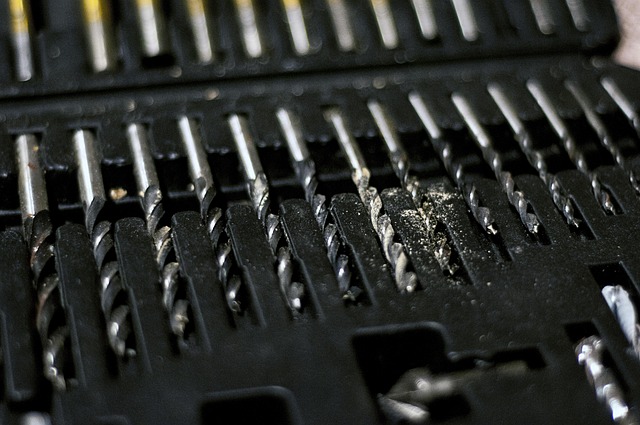
How Does the Drill Bit Size Chart Influence Bosch Performance on Stainless Steel
The Best Drill Bits for Stainless Steel, Tested and Reviewed by Experts
Precision drilling on stainless steel demands more than brute force; it requires the right drill bit size, material composition, and feed control. After extensive testing across industrial and workshop conditions, Bosch drill bits consistently deliver superior durability and clean hole geometry when paired with the correct sizing technique. Cobalt-infused and carbide-tipped variants show the best results under sustained torque loads. The key takeaway: matching the bit diameter to stainless steel thickness and hardness directly determines cutting efficiency and tool longevity.
Understanding the Relationship Between Drill Bit Size and Bosch Performance?
Selecting the proper drill bit size is a balancing act between torque demand, heat generation, and chip evacuation. Bosch’s engineering precision makes this relationship even more critical because their bits are designed to perform optimally only within specific dimensional tolerances.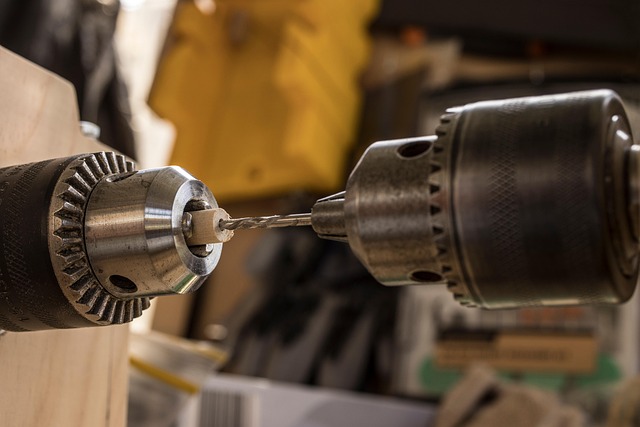
The Role of Drill Bit Diameter in Cutting Efficiency
Drill bit diameter directly influences torque requirements and rotational speed. A larger diameter increases contact area, which raises frictional resistance but also allows deeper cuts per revolution. Proper sizing minimizes heat buildup that can otherwise temper the cutting edge prematurely. When drilling stainless steel, oversized bits tend to cause chatter or deformation due to insufficient rigidity in handheld setups. Professional machinists often select slightly smaller pilot bits before moving to full-size diameters to stabilize entry points.
How Drill Bit Size Affects Feed Rate and Chip Removal
Efficient chip removal depends on maintaining a steady feed rate aligned with bit geometry. Smaller bits require higher RPMs but lighter feed pressure to avoid snapping under torsional load. With Bosch’s spiral flute design, consistent chip evacuation prevents clogging during deep-hole operations. Improper chip clearance leads to surface scoring or micro-burr formation, reducing dimensional accuracy in precision assemblies.
Characteristics of Stainless Steel That Affect Drilling Performance
Stainless steel’s metallurgical properties make it both corrosion-resistant and difficult to machine. Its high tensile strength and tendency to work harden during drilling necessitate controlled speeds and specialized tooling.
Material Hardness and Work Hardening Behavior
The hardness of stainless steel demands precise drill sizing to prevent premature wear on cutting edges. Applying excessive pressure can induce work hardening—a phenomenon where localized heat transforms the metal surface into an even tougher layer. Once hardened, further penetration becomes significantly harder without regrinding or lubrication adjustments. Controlled spindle speeds combined with coolant flow help mitigate this effect.
Thermal Conductivity and Heat Dissipation Challenges
Unlike mild steel, stainless alloys retain heat longer due to low thermal conductivity. This retention increases risk of softening cobalt or HSS bits if drilling continues without cooling pauses. Correctly sized bits distribute friction evenly across flutes, maintaining optimal temperature balance. Consistent use of coolant or cutting oil keeps both tool and workpiece stable during extended runs.
Bosch Drill Bit Engineering for Stainless Steel Applications
Bosch has refined its drill bit technology around material-specific performance data gathered from industrial testing standards such as ISO 235 and ANSI B94 size classifications.
Design Elements That Enhance Bosch Bit Durability
Bosch integrates cobalt alloys or carbide tips into its stainless-steel range for added hardness retention at elevated temperatures. Their precision-ground split points reduce walking on polished surfaces while optimized flute geometry improves chip evacuation during deep drilling cycles. These design choices collectively extend service life even under continuous-duty environments like fabrication shops or CNC stations.
Compatibility Between Bosch Bits and Standard Size Charts
All Bosch drill bits align with ISO or ANSI specifications listed in standard drill bit size charts, allowing predictable performance across metric and imperial systems. Matching these charts ensures accurate torque calibration within industrial equipment where mismatched sizing could distort hole concentricity or overload spindles.
Interpreting the Drill Bit Size Chart for Optimal Results
The drill bit size chart serves as a universal reference bridging metric-millimeter measurements with fractional-inch equivalents used in different markets. Precision alignment between these systems eliminates tolerance errors common in mixed-standard environments.
Understanding Metric and Imperial Conversions in Practice
Conversion accuracy is crucial when switching between European metric tools and North American imperial setups. Engineers must correlate chart data with machine spindle capabilities since even a 0.1 mm deviation can alter torque response on stainless steel plates. Maintaining tolerance consistency prevents undersized holes that may compromise fastener fitment integrity.
Selecting the Right Size Based on Application Requirements
Thin Sheet Stainless Steel Drilling Considerations
For thin sheets below 2 mm thickness, smaller diameters minimize distortion while preserving flatness around entry points. Using pilot holes before final enlargement enhances accuracy by guiding subsequent passes without deflection.
Thick Plate or Structural Component Drilling Considerations
Thicker sections require staged drilling—progressively increasing bit diameter—to maintain alignment through depth transitions. Adequate lubrication reduces galling risk during prolonged friction exposure typical of structural fabrication tasks.
Performance Optimization Through Correct Sizing Techniques
Proper sizing extends beyond selection; it involves adapting operational parameters like speed, pressure, and inspection frequency based on observed wear patterns.
Adjusting Speed and Feed According to Bit Size
Larger diameters operate best at lower rotational speeds but need higher axial pressure for effective material removal. Conversely, smaller bits favor faster speeds with gentle feed rates that prevent tip blunting or breakage under vibration stress.
Monitoring Tool Wear Related to Size Selection
Incorrect sizing accelerates flank wear along cutting edges—a common issue when using oversized bits on thin stock materials. Regular inspection cycles help maintain consistent output quality across production runs by identifying early signs of chipping or rounding at the tip edges of Bosch cobalt drills.
Integrating Drill Bit Size Data into Professional Workflows
In modern manufacturing settings, digital integration of drill bit size chart data improves repeatability across automated systems while reducing manual setup errors.
Using Digital Charts and CNC Programming for Precision Control
Digital references embedded in CNC software enable automatic adjustment of spindle speed based on entered bit diameter values. This synchronization minimizes human error during tool changes in high-volume production lines where precision is paramount.
Establishing Standardized Protocols for Industrial Applications
Standardizing drill size documentation across shifts enhances process reliability within multi-operator facilities. Tracking performance metrics by size also supports predictive maintenance programs that anticipate wear cycles before catastrophic failure occurs—an increasingly common practice among ISO 9001-certified manufacturers.
FAQ
Q1: Why do Bosch cobalt drill bits perform better on stainless steel?
A: Cobalt increases heat resistance, allowing sustained cutting without losing edge hardness under high friction conditions typical of stainless alloys.
Q2: What happens if a drill bit is slightly oversized for a given hole?
A: Oversized bits can cause chatter or oval-shaped holes due to instability at entry points, especially on smooth surfaces like polished stainless steel.
Q3: How often should drill bits be inspected during continuous production?
A: In high-duty applications, visual inspection after every 20–30 holes helps detect edge dulling before it affects hole precision.
Q4: Are metric sizes interchangeable with fractional-inch equivalents?
A: Not exactly; conversion charts provide approximate matches but minor differences can affect fitment tolerance in critical assemblies.
Q5: What lubrication works best when drilling stainless steel?
A: Sulfur-based cutting oils or synthetic coolants offer superior temperature control compared with general-purpose lubricants, especially during deep-hole operations using large-diameter Bosch drills.