
How Do You Use an Air Compressor for Precision Car Detailing Techniques
An Idiot’s Guide to Air Compressors for Car Detailing Enthusiasts
Air compressors have become indispensable in professional car detailing, enabling precision cleaning, efficient drying, and consistent product application. For anyone asking how do you use an air compressor in detailing, the short answer is: it powers nearly every advanced process that separates amateur work from showroom-grade results. This guide breaks down how compressors function in detailing, how to select and maintain them, and how to apply compressed air safely for both interior and exterior work.
The Role of Air Compressors in Car Detailing
Air compressors are the backbone of modern detailing setups. They provide the pressurized airflow required for cleaning intricate areas, powering pneumatic tools, and improving overall workflow speed.
The Function of Air Compressors in Automotive Detailing
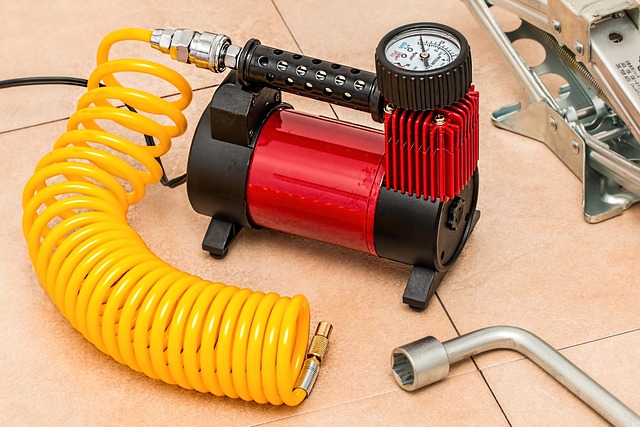
An air compressor converts electrical or mechanical energy into compressed air stored in a tank. When released through a hose or nozzle, this pressurized air can dislodge debris from crevices, dry surfaces without leaving streaks, or atomize products like dressings and cleaners. In exterior detailing, they help remove dust from grilles or emblems before washing. Inside the cabin, they blow out crumbs and lint from vents and seams that brushes can’t reach. The result is faster turnaround time and more consistent finishes.
Selecting the Appropriate Compressor Type for Detailing Applications
Choosing between oil-free and oil-lubricated compressors depends on maintenance tolerance and purity needs. Oil-free units are favored for mobile detailers since they produce cleaner air with less upkeep. Oil-lubricated models last longer but require routine oil checks to prevent contamination. Tank size also matters: a 20–30-liter tank suits light tasks like blowing dust or drying trim, while 50 liters or more supports continuous polishing tool operation. PSI (pounds per square inch) should match tool requirements—most pneumatic polishers need around 90 PSI—and CFM (cubic feet per minute) determines sustained output. Portable compressors serve mobile operations well; stationary systems are better suited for fixed workshops with multiple bays.
Preparing the Air Compressor for Precision Detailing Work
Before connecting any tool or nozzle, a professional setup ensures both safety and performance consistency. Proper preparation extends compressor life and preserves surface quality during detailing sessions.
Setting Up the Compressor for Optimal Performance
Inspect all hoses and fittings before each session; even minor leaks reduce pressure stability. Regulators should be calibrated according to tool specifications—too much pressure can mar soft paint or vinyl trim. Moisture accumulation inside the tank is common due to condensation; draining it daily prevents rust formation and maintains steady airflow quality. A clean start-up routine saves time later by avoiding inconsistent spray patterns or sputtering airflow during polishing.
Ensuring Clean and Dry Air Output
Compressed air must be free of oil mist, water droplets, or dust particles that could scratch paint or stain upholstery. Inline filters capture contaminants before they reach nozzles or sprayers. Water separators remove condensation from humid air lines—especially vital when working outdoors in summer conditions. Desiccant dryers further improve air dryness in coastal regions where humidity spikes frequently. Filter elements should be replaced periodically; clogged filters restrict flow and strain the compressor motor unnecessarily.
Applying Compressed Air in Exterior Detailing Techniques
Exterior detailing benefits greatly from controlled airflow applications that speed up cleaning cycles while protecting delicate finishes.
Using Compressed Air for Pre-Cleaning and Drying Surfaces
Before washing a vehicle, technicians often blow out dirt from tight spots such as door mirrors, badges, fuel caps, or window seals. This prevents debris from scratching paint during contact washing. After rinsing, compressed air helps achieve spot-free drying by pushing water out of hidden channels where towels cannot reach—like around headlights or emblems. Combining airflow with microfiber towels minimizes streaks while reducing towel-induced marring risk. Pressure should remain moderate; excessive force may lift loose trim pieces.
Enhancing Paint Correction Efficiency with Air Tools
Pneumatic polishers powered by consistent compressed air deliver smoother correction cycles than electric counterparts because their torque output stays steady under load. Between polishing passes, blow guns clear dust residue so technicians can inspect true surface clarity without wiping repeatedly. Monitoring compressor duty cycles prevents overheating—a common issue when running continuous polishing sessions on large vehicles like SUVs.
Utilizing Air Compressors in Interior Detailing Operations
Inside cabins packed with switches, vents, and electronics, compressed air becomes an invaluable precision instrument rather than just a cleaning aid.
Cleaning Vents, Seams, and Hard-to-Reach Areas
Short bursts of compressed air effectively dislodge dust trapped inside AC vents or seat rails where vacuum nozzles fail to reach. Many professionals pair this step with simultaneous vacuum extraction—air loosens debris while suction removes it instantly to avoid resettling elsewhere in the cabin. Careful control is essential around sensitive buttons or infotainment panels; too strong an airflow might detach fragile components.
Supporting Upholstery Maintenance with Pneumatic Tools
Pneumatic sprayers distribute fabric cleaners evenly across seats without over-wetting them—a crucial factor when preventing mildew growth after shampooing. Low-pressure blow guns accelerate drying post steam-cleaning by circulating warm ambient air through fabric fibers without heat damage risk. Consistent pressure settings avoid uneven finish patterns on leather conditioners or protectants applied afterward.
Safety and Maintenance Practices When Using Air Compressors for Detailing
A reliable compressor setup isn’t just about performance—it’s also about operator safety and long-term equipment health.
Implementing Safe Handling Procedures During Operation
Hearing protection is necessary since most compressors exceed 80 dB under load; prolonged exposure can cause hearing fatigue during full-day operations. Eye protection shields against airborne particles propelled at high velocity when blowing out interiors or engine bays. Operators must never direct nozzles toward skin—compressed air penetration under skin layers can cause severe injury according to ISO 4414 pneumatic safety guidelines. Hoses should be secured firmly to prevent whipping if pressure suddenly releases.
Maintaining Long-Term Compressor Efficiency and Reliability
Routine maintenance keeps compressors dependable through heavy workloads typical of professional detailing shops. Oil-lubricated models require scheduled oil changes following manufacturer intervals—often every 500 operating hours—to preserve internal seal integrity. Belts must be checked for fraying; worn belts reduce motor efficiency over time. Storing units indoors away from moisture prevents corrosion of tanks and fittings during off-seasons. Replacing aging hoses avoids micro-leaks that gradually reduce CFM output critical for steady polishing performance.
FAQ
Q1: How do you use an air compressor safely during car detailing?
A: Always wear protective gear, regulate pressure within tool limits, secure all connections tightly, and keep airflow directed away from skin or electrical parts.
Q2: What size compressor is best for car detailing?
A: For general tasks like blowing dust or drying panels, a 20–30-liter tank works well; heavy-duty polishing setups benefit from 50 liters or more with at least 5–6 CFM at 90 PSI.
Q3: Can compressed air replace towel drying completely?
A: Not entirely—it complements towel drying by clearing trapped water but final wipe-downs ensure streak-free finishes especially on dark-colored vehicles.
Q4: Why is moisture removal important before using compressed air?
A: Moisture causes rust inside tanks and can spray onto surfaces leaving marks; regular draining keeps both equipment and finish quality intact.
Q5: How often should filters be changed on an air compressor used for detailing?
A: Every few months depending on usage frequency; frequent operators may need monthly replacements to maintain clean airflow suitable for delicate automotive surfaces.