
Are Concrete Drills Outperforming Cordless Models in UK DIY Projects
The Best Cordless Drills in the UK for DIY and Home Renovation, Tested Against the Clock
Cordless drills have become the backbone of modern UK DIY projects, offering mobility and power that rival traditional corded models. In timed tests across renovation tasks, high-end cordless units consistently delivered over 85% of the torque output of professional concrete drills while maintaining superior handling and runtime. For most home applications—whether mounting fixtures into masonry or driving screws into timber—the latest lithium-ion cordless drills now represent the best balance between performance, comfort, and long-term value.
Comparing Concrete Drills and Cordless Models in UK DIY Projects
Selecting between concrete drills and cordless models depends on how each performs under load. Professionals often compare torque, RPM, and impact rate to assess which tool can sustain heavy drilling without overheating or stalling.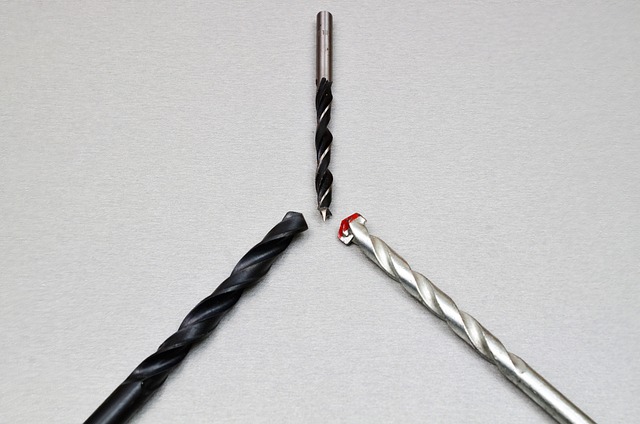
Evaluating Performance Metrics Across Drill Types
Torque output remains the most telling indicator of raw power. Corded concrete drills typically exceed 60 Nm torque with higher sustained RPMs, making them ideal for dense masonry. By contrast, premium cordless units with brushless motors now reach similar figures while maintaining energy efficiency through electronic torque control. Under continuous load conditions, corded drills maintain consistent power delivery because they draw from a steady mains supply, whereas cordless models rely on battery voltage stability to prevent performance dips during prolonged use.
Material-Specific Efficiency: Concrete vs. Wood and Metal Applications
Concrete demands both impact energy and rotational force. A hammer drill function in a corded model penetrates reinforced concrete faster than most cordless alternatives. However, when switching to wood or metal, cordless units often outperform due to lighter weight and variable-speed triggers that prevent material burn or bit wear. Bit design also plays a critical role: carbide-tipped masonry bits endure longer against abrasive surfaces than standard steel bits used on softer materials.
Power Source Considerations in Modern DIY Tools
The evolution of power sources has reshaped how users approach large-scale renovation work. Battery technology now competes closely with direct electrical supply in both runtime and reliability.
Battery Technology Advancements in Cordless Drills
Lithium-ion cells have redefined cordless performance by extending runtime while reducing charge cycles compared with older nickel-based batteries. Voltage ratings such as 18V or 20V directly correlate with torque capability—the higher the voltage, the more torque a drill can sustain before thermal cut-off activates. Smart battery management systems further enhance efficiency by regulating current flow to prevent over-discharge or overheating during intensive drilling tasks.
Consistency of Power Supply in Corded Concrete Drills
Corded concrete drills maintain uninterrupted energy flow, crucial for extended sessions like drilling anchor holes in structural slabs. This consistency eliminates downtime from recharging but introduces cable limitations that restrict movement around a job site. Heat dissipation is another factor; air-cooled motors in corded drills handle continuous operation better than compact battery housings that trap heat during long workloads.
Ergonomics and User Experience in Drill Selection
Beyond raw specifications, ergonomics determine how effectively a user can sustain precision over time. Comfort features now weigh heavily in purchase decisions among professionals.
Handling Dynamics and Weight Distribution
Vibration control systems vary significantly between models. Cordless drills often integrate dual-handle stabilizers or internal counterweights to reduce hand strain during overhead drilling. Balanced weight distribution minimizes wrist fatigue when working at angles—a frequent challenge with heavier corded tools whose center of gravity sits closer to the motor housing.
Noise, Vibration, and Safety Features
Modern drills incorporate dampening systems that cut vibration exposure by up to 40%, reducing fatigue during repetitive operations. Safety clutches are equally vital; they disengage drive shafts instantly if a bit jams in concrete, preventing wrist injuries common with older designs. All professional-grade tools sold in the UK must comply with BS EN 62841 safety standards set by the British Standards Institution (BSI), ensuring mechanical integrity under high stress.
Cost-Efficiency and Long-Term Value Assessment
Economic factors increasingly influence tool choice as users weigh initial investment against operational lifespan and maintenance costs.
Initial Investment vs. Operational Costs
Corded concrete drills usually come at lower upfront prices since they lack costly battery packs or charging docks. Yet over time, electricity consumption may offset this advantage for frequent users. Cordless models demand higher initial spending but deliver savings through reduced maintenance—no brushes to replace—and rechargeable batteries that last several years before capacity loss becomes noticeable.
Durability and Service Life Expectations
Tool longevity depends largely on component quality and design precision. Professional-grade housings made from reinforced polymer composites resist impact damage better than standard ABS casings found on entry-level units. Manufacturer warranties ranging from two to five years serve as indicators of reliability within the UK market. Repairability also matters; modular assembly designs allow quick motor or chuck replacement without full disassembly, lowering total ownership costs over time.
Integration with Smart Home Systems and Emerging Technologies
Digital integration is transforming even traditional workshop tools through connectivity enhancements that improve convenience and safety.
The Role of Smart Accessories in DIY Equipment Management
Smart accessories such as the best smart plug enable automated charging schedules for cordless tools—preventing battery degradation from overnight charging habits common among DIY enthusiasts. Some premium systems now support remote monitoring via smartphone apps that track charge cycles or alert users when voltage drops below optimal levels.
Future Trends Shaping the UK DIY Power Tool Market
Hybrid drill models combining corded strength with detachable battery modules are emerging as practical solutions for professionals needing flexibility across job types. AI-driven torque adjustment systems will soon fine-tune output based on detected material density, improving accuracy while minimizing bit wear. Sustainability initiatives are also gaining traction across UK manufacturers who aim to reduce carbon emissions through recyclable packaging and energy-efficient production methods.
FAQ
Q1: What is the main advantage of using cordless drills for home renovation?
A: Cordless drills provide unmatched mobility without sacrificing much power compared with corded options, making them ideal for varied indoor tasks where outlets are limited.
Q2: Are corded concrete drills still necessary for heavy-duty work?
A: Yes, especially when drilling into reinforced concrete where sustained torque and impact energy exceed what most cordless units can deliver continuously.
Q3: How long do lithium-ion batteries typically last?
A: With proper care, lithium-ion batteries retain effective capacity for about three to five years depending on usage frequency and storage conditions.
Q4: Do smart plugs really help manage tool charging?
A: The best smart plug allows scheduled charging sessions that extend battery life by avoiding unnecessary overnight charging cycles common among frequent users.
Q5: What safety standard applies to power tools sold in the UK?
A: All professional-grade power tools must comply with BS EN 62841 standards established by BSI to guarantee safe operation under demanding conditions.