Are Drill Bits for Hammer Drill the Key to Perfect Concrete Drilling
Best Drill Bit for Drilling Concrete That Experts Swear By
Selecting the best drill bits for hammer drill use in concrete isn’t guesswork. Professionals consistently favor carbide-tipped bits designed for impact drilling, as they cut faster and last longer under heavy load. When paired with a power drill corded model, these bits deliver stable torque and consistent penetration, even in dense or reinforced concrete. The key lies in matching bit design, geometry, and material to the application’s demands—something that separates professional-grade tools from consumer-level options.
The Role of Drill Bits for Hammer Drills in Concrete Applications
Drilling into concrete requires a tool system that can handle both hardness and brittleness. Hammer drills excel here because their mechanism transforms rotational energy into a series of rapid impacts that fracture the surface efficiently.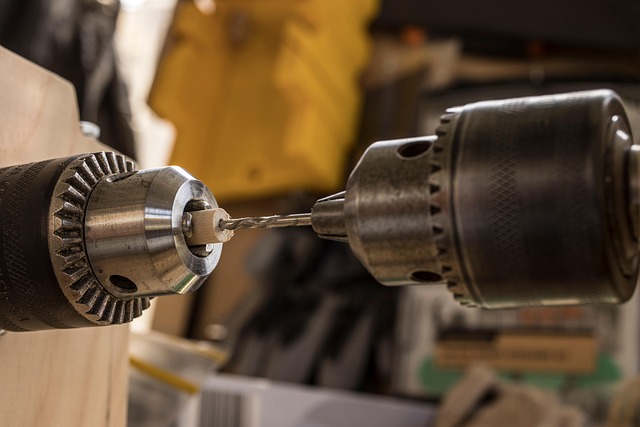
The Mechanics of Hammer Drilling
Hammer drills combine rotary motion with percussive force to penetrate hard materials. This dual action reduces friction by pulverizing concrete at the point of contact while rotation clears debris from the hole. Synchronization between impact rate and rotation speed is critical; too much percussion can cause spalling, while insufficient speed leads to overheating and dulling.
Material Composition of Concrete Drill Bits
Tungsten carbide-tipped bits are prized for their hardness and wear resistance. The steel body provides structural strength when subjected to high torque loads typical of hammer drilling. Bit geometry—especially cutting edge shape and flute angle—affects how efficiently dust is expelled and how cleanly the bit cuts through aggregate.
Key Characteristics That Define High-Performance Concrete Drill Bits
A high-performance bit does more than survive tough materials; it maintains precision over repeated cycles. Design features like tip shape and flute profile directly influence accuracy, cooling, and longevity.
Bit Tip Design and Its Impact on Precision
Multi-cutter tips increase contact points on the surface, distributing pressure evenly for smoother entry. A centering point stabilizes the bit during initial penetration, minimizing wandering on slick surfaces. Optimized tip angles also help prevent walking when drilling into rebar-laced or polished concrete slabs.
Flute Geometry and Dust Extraction Efficiency
Deep spiral flutes are essential for moving dust out quickly, preventing clogging that can stall progress or overheat the bit. The pattern of these flutes affects chip evacuation rate; tighter spirals improve cooling but may slow removal slightly. Efficient dust extraction keeps friction low, extending both bit life and motor performance.
Compatibility Between Drill Bits and Power Drill Types
The right pairing between bit type and drill mechanism determines efficiency. Using a masonry bit in a rotary-only tool is possible but inefficient; conversely, using wood bits in hammer mode risks immediate failure.
Differences Between Hammer Drills and Rotary Drills
Hammer drills deliver impact energy ideal for masonry work, where percussive action breaks down material structure. Rotary drills rely solely on spinning force, making them better suited for softer substrates like wood or drywall. Selecting the appropriate tool prevents unnecessary wear or potential damage to both drill and bit.
Matching Drill Bits with Corded Power Drills
Corded power drills supply continuous torque without battery fade—a major advantage during extended drilling sessions on job sites. Compatibility with SDS or SDS-plus shanks ensures secure retention even under vibration. Maintaining proper power-to-bit ratio helps achieve consistent hole depth while protecting internal gears from strain.
Evaluating Durability and Efficiency in Professional Use Cases
Durability defines value in industrial environments where downtime costs money. Professionals measure not only how long a bit lasts but also how consistently it performs across hundreds of holes.
Wear Resistance Under Continuous Load Conditions
Carbide-tipped bits retain sharpness through repeated impacts against dense aggregates. Heat-treated steel bodies resist deformation even after prolonged exposure to torsional stress. Routine inspections allow early detection of microfractures before catastrophic failure occurs—a practice common among experienced contractors.
Performance Metrics Used by Industry Experts
Experts often track penetration rate per minute as an indicator of efficiency when comparing brands or designs. Bit longevity is gauged by cumulative hole count before replacement becomes necessary. Vibration feedback data also reveals stability levels during operation, influencing user comfort and accuracy over long shifts.
Advanced Techniques for Optimizing Concrete Drilling Results
Even premium bits perform poorly if operational parameters are ignored. Adjusting speed, pressure, and cooling methods can drastically affect results when working across different grades of concrete.
Adjusting Speed and Impact Settings Based on Material Density
Softer concrete needs lower impact rates to avoid cracking edges around holes, while denser mixes benefit from higher percussion frequencies that break aggregates faster. Monitoring tool temperature prevents overheating that can compromise both motor windings and carbide bonding integrity.
Lubrication, Cooling, and Maintenance Practices
Periodic withdrawal during drilling clears compacted dust pockets within deep holes—a simple habit that improves airflow around the cutting edge. Water cooling systems are often used for large-diameter holes to dissipate heat buildup effectively. Cleaning flutes after each session prevents hardened residue from reducing cutting performance next time out.
Emerging Innovations in Drill Bit Technology for Concrete Work
Tool manufacturers continue refining designs to meet evolving construction demands—especially where precision meets endurance under extreme loads.
Advanced Coatings and Surface Treatments
Titanium nitride coatings enhance surface hardness while adding corrosion protection against moisture-laden job sites. Diamond-grit edges now appear on specialty bits intended for ultra-hard aggregates like quartz-filled concrete floors. Nano-layered coatings further reduce friction at high RPMs, allowing cooler operation over longer cycles.
Smart Design Enhancements for Professional Applications
Modern innovations include vibration-dampening cores that reduce operator fatigue during extended drilling sessions. Self-centering tips minimize setup time when repeating identical patterns across large panels or slabs. Some advanced models incorporate wear indicators within the flute body—an intelligent cue signaling when replacement is due before performance degradation occurs.
FAQ
Q1: What type of drill bit works best with a hammer drill on concrete?
A: Tungsten carbide-tipped masonry bits are most effective because they withstand repeated impacts without losing sharpness.
Q2: Can standard rotary drill bits be used on concrete?
A: No, standard bits lack the hardness needed; they will dull quickly or snap under percussive stress from a hammer function.
Q3: Why do professionals prefer corded power drills for heavy-duty work?
A: Corded models maintain steady torque output throughout long operations without battery limitations common in cordless versions.
Q4: How can overheating be prevented during deep drilling?
A: Periodic withdrawal combined with water cooling helps dissipate heat buildup inside deep holes efficiently.
Q5: What maintenance extends drill bit lifespan?
A: Cleaning flutes after each use, inspecting tips regularly for chipping, and storing bits dry all contribute to longer service life.