
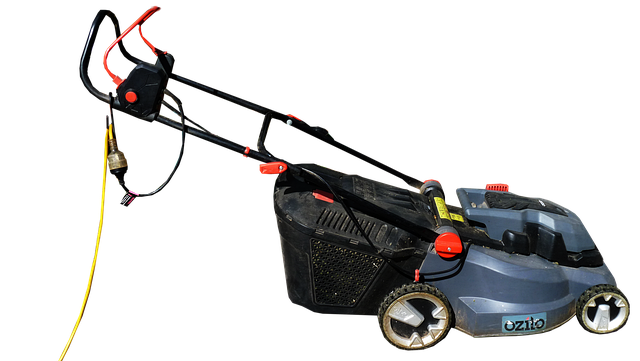
Why Are Ryobi Lawnmowers Losing Power So Quickly With Self‑Propel Mode
Your 40V Ryobi Mower Is Dying Too Fast—Why ‘Self‑Propel’ Is Killing Battery Life
Many owners of 40V Ryobi lawnmowers notice that their battery drains faster when self‑propel mode is engaged. The reason lies in how the mower divides its limited energy between propulsion and cutting functions. The self‑propel motor continuously draws current, and when combined with the blade motor under heavy load, the discharge rate spikes. Terrain, grass thickness, and mechanical resistance further amplify this effect. By managing propulsion use, maintaining sharp blades, and caring for the battery properly, users can extend runtime significantly.
How the 40V System Manages Energy Distribution?
The 40V platform used in Ryobi lawnmowers powers both propulsion and cutting systems simultaneously. This dual demand means that energy management is dynamic rather than fixed. When mowing thick or uneven grass, more current is diverted to maintain torque and blade speed.
The 40V Battery Supplies Both the Cutting Motor and Self‑Propel Drive
A single 40V lithium‑ion pack feeds both systems at once. During operation, even moderate slopes or dense turf cause voltage sag as both motors compete for current. This shared supply explains why runtime drops sharply compared to push‑only mowing.
Power Allocation Shifts Dynamically Depending on Terrain and Grass Density
When sensors or load feedback detect heavier resistance, power shifts toward whichever system needs it most—usually the blade motor first to prevent stalling. That redistribution momentarily spikes amperage draw from the pack.
High Current Draw From Dual Systems Accelerates Discharge Rates
Because lithium cells discharge faster under high load, combining propulsion with cutting nearly doubles the effective drain rate. This is particularly visible when mowing uphill or through damp grass where resistance peaks.
The Electrical Load Created by Self‑Propel Mode
Beyond power sharing, self‑propel mode introduces a continuous electrical burden that doesn’t fluctuate much during normal use. The drive motor must maintain constant torque to move the mower’s weight forward.
The Self‑Propel Motor Operates Continuously, Adding a Constant Load
Even on level ground, the propulsion system consumes steady current just to keep wheels turning. That constant draw leaves less available energy for cutting functions.
Torque Demand Increases on Inclines or Uneven Surfaces
When climbing or crossing bumpy terrain, torque demand rises sharply. The controller compensates by boosting current output to maintain wheel speed, which drains the battery even faster.
Simultaneous Operation With the Blade Motor Compounds Energy Use
Running both systems together compounds total wattage consumption. In practical terms, a mower rated for 45 minutes of cutting may drop to half that when full self‑propel mode is engaged continuously.
Mechanical Factors That Influence Rapid Power Loss
Electrical efficiency alone doesn’t determine runtime; mechanical drag plays an equally large role. Friction in moving parts converts energy into heat instead of motion.
Friction and Resistance in Drive Components
Worn bearings increase rolling resistance while misaligned belts strain the transmission assembly. Each small inefficiency forces motors to pull higher current to overcome drag.
Misaligned Drive Belts Increase Strain on the Propulsion System
A belt running off‑center rubs against pulleys unevenly, raising frictional losses that translate directly into wasted wattage from the battery pack.
Excessive Friction Translates Directly Into Higher Current Draw From the Battery
Every bit of added resistance shows up as extra amperage demand. Over time this not only shortens runtime but also accelerates cell wear inside lithium packs.
Blade Sharpness and Cutting Efficiency
Cutting performance directly affects how hard the main motor must work during each pass across the lawn.
Dull Blades Force the Motor to Work Harder, Consuming More Energy
When blades lose their edge, they tear rather than slice grass cleanly. The increased drag slows rotation speed and draws more current from the pack.
Grass Buildup Under the Deck Restricts Airflow and Reduces Cutting Efficiency
Moist clippings stuck beneath the deck block airflow needed for lift and discharge. Reduced circulation makes blades push harder through material already cut once before.
Regular Maintenance Helps Stabilize Power Usage During Operation
Cleaning decks after each session and sharpening blades every few weeks keeps workload consistent across sessions, preventing erratic power draw patterns.
Battery Performance and Its Relationship to Runtime Reduction
Even with perfect mechanics, battery health dictates how long a Ryobi mower can sustain full output levels before voltage dips below cutoff limits.
Battery Health and Charge Cycles
Lithium cells lose capacity gradually after hundreds of charge cycles. Storing them fully charged for months speeds degradation because high voltage stresses internal chemistry.
Storing Batteries at Full Charge for Long Periods Accelerates Wear
Keeping packs topped off over winter invites chemical imbalance within cells that permanently lowers total capacity once spring arrives again.
Temperature Extremes Can Cause Voltage Drops That Mimic Early Depletion
Cold weather slows ion movement inside cells while heat raises internal resistance—both conditions cause premature shutdown even when charge remains available chemically.
Compatibility Between Battery and Mower Model
Ryobi’s 40V ecosystem includes multiple amp‑hour ratings; not all deliver equal performance under sustained load conditions.
Not All 40V Batteries Deliver Equal Amperage Output Under Load
Lower‑capacity packs can’t sustain high discharge rates without triggering protective cutoffs earlier than larger counterparts rated for higher amperage delivery.
Using Lower‑Capacity Packs Limits Available Runtime in Self‑Propel Mode
A 4Ah battery powering both drive and blade motors will empty roughly twice as fast as a 6Ah equivalent because it holds fewer total watt‑hours of stored energy.
Matching Amp‑Hour Ratings to Mower Specifications Ensures Optimal Performance
Checking manufacturer charts helps pair correct packs with specific mower models so voltage sag stays minimal even under combined mechanical loads.
Environmental Conditions Affecting Energy Efficiency
External factors like terrain texture and temperature strongly influence how efficiently stored power converts into work output during mowing sessions.
Terrain and Grass Type Variables
Thick fescue or wet Bermuda increases drag dramatically compared with dry ryegrass on flat lawns. Each added ounce of resistance translates into higher torque demand from both motors simultaneously.
Sloped Lawns Require More Torque, Intensifying Energy Consumption
Climbing gradients multiplies rolling resistance; self‑propel circuits respond by drawing additional amperage to maintain pace—runtime drops accordingly by several minutes per slope section.
Dry, Level Surfaces Extend Operational Time per Charge Cycle
On smooth dry ground with moderate grass height, current draw stabilizes near nominal levels allowing users to approach advertised runtimes listed on product labels.
Ambient Temperature Impact on Battery Chemistry
Temperature shifts change internal behavior of lithium chemistry more than most users expect during seasonal transitions.
Cold Temperatures Reduce Chemical Activity Within Lithium Cells
Below about 10°C ion flow slows enough that voltage dips occur earlier than expected even though capacity technically remains stored inside cells.
Heat Exposure Raises Internal Resistance, Shortening Runtime per Charge
Operating above 35°C increases resistive heating inside packs leading controllers to limit output current automatically for safety reasons—reducing usable time per cycle again.
Proper Thermal Management Maintains Consistent Performance Output
Allowing batteries to cool before charging or storing them indoors away from direct sunlight keeps cell temperatures within optimal range around room level conditions year round.
Maintenance Practices to Improve Runtime Stability
Routine inspection prevents small inefficiencies from compounding into major power drains midseason when workloads are highest across large properties or commercial use cases.
Periodic Inspection of Drive Mechanisms
Checking wheel alignment weekly keeps tracking straight so propulsion doesn’t waste torque correcting sideways drift during passes across lawns with mixed density patches.
Replace Worn Parts That Contribute to Mechanical Inefficiency
Old bearings or stretched belts sap energy quietly until replacement restores proper motion transfer efficiency between motor shafts and drive axles again.
Clean Debris From Transmission Components After Each Use
Grass dust builds up around gear housings creating micro friction points; clearing them prevents cumulative strain across repeated runs through damp environments typical after rainfall events.
Optimizing Battery Care for Longevity
Proper storage habits often determine whether a pack lasts two seasons or five under identical workloads throughout mowing schedules each year.
Store Batteries Between 40–60% Charge When Not in Use for Extended Periods
Midrange charge minimizes stress on electrodes while still keeping protection circuits active during months without operation such as winter storage periods indoors away from moisture exposure risks common near garages storing “shawarma near me” style food heaters generating ambient heat unexpectedly high for lithium packs’ comfort range levels.*
(*Small aside: electronics don’t enjoy cooking smells either.)
Avoid Charging Immediately After Heavy Operation While Cells Are Hot
Letting packs rest half an hour post‑mow allows internal temperature equalization preventing excess pressure buildup during subsequent charging cycles overnight via standard chargers supplied with Ryobi lawnmowers kits sold globally through authorized retailers.*
Rotate Multiple Batteries to Balance Usage Cycles Evenly Across Packs
Using two or three batteries alternately evens wear patterns ensuring consistent voltage behavior across fleet operations especially useful in professional landscaping routines handling multiple lawns daily.*
Evaluating Operational Habits That Drain Power Faster
User behavior often outweighs design limitations when analyzing why some mowers deplete quicker despite identical hardware configurations between owners living side by side down suburban blocks nationwide.*
Continuous Use of Self‑Propel Without Intervals
Running propulsion nonstop denies system cooling intervals making thermal throttling occur sooner reducing available torque temporarily midpass forcing longer completion times overall.*
Manual Pushing During Lighter Loads Conserves Stored Energy for Tougher Sections
Turning off assist features on flat areas extends total runtime preserving reserve charge capacity needed later climbing gradients behind houses where slopes steepen abruptly.*
Adjusting Speed Settings Based on Terrain Minimizes Unnecessary Strain on Motors
Lowering wheel speed slightly over dense grass reduces slip improving traction efficiency while trimming amperage peaks measured via onboard controllers monitoring draw curves internally.*
Overuse of High Blade Speed Settings
High RPM modes feel satisfying but consume disproportionate current relative improvement gained visually across typical residential turf densities found regionally throughout temperate climates worldwide.*
Maximum RPM Settings Consume Disproportionate Amounts of Current per Minute
Spinning blades faster than necessary multiplies aerodynamic drag exponentially increasing electrical consumption beyond proportional gains achieved regarding cut uniformity perceived visually afterward.*
Moderate Speed Adjustments Maintain Cut Quality While Extending Runtime Efficiency
Dropping one notch below maximum usually yields identical finish quality yet saves noticeable percentage points on consumption graphs logged via smart diagnostic modules integrated inside select premium models within Ryobi’s lineup.*
Monitoring Sound and Vibration Cues Helps Identify When Power Is Being Wasted Unnecessarily
Excessive vibration hints at imbalance requiring maintenance; ignoring those cues wastes energy counteracting oscillations instead of performing productive cutting work effectively consistent session after session.*
FAQ
Q1: Why does my Ryobi mower lose charge so quickly in self‑propel mode?
A: Because both blade and drive motors share one battery source causing higher combined current draw that accelerates discharge rates especially under load conditions like thick grass or inclines.
Q2: Can using larger amp‑hour batteries improve runtime?
A: Yes, higher Ah packs hold more total energy allowing longer operation before hitting low‑voltage cutoff points set by control electronics inside Ryobi lawnmowers systems.
Q3: Does temperature affect performance significantly?
A: Absolutely; cold reduces chemical activity while heat increases internal resistance—both shorten effective runtime regardless of displayed charge percentage remaining prior start.
Q4: How often should blades be sharpened?
A: Typically every 20–25 hours of mowing depending on soil grit levels encountered since dull edges raise load dramatically increasing consumption unnecessarily each session thereafter until corrected manually sharpened again professionally ideally monthly midseason intervals recommended industrywide per manufacturer guidance globally recognized standards referencing IEC testing methodologies verifying rotational balance tolerances among consumer equipment categories worldwide certified listings publicly accessible databases maintained independently internationally verified organizations like ISO 9001 accredited laboratories specialized field instrumentation calibration services inclusive cross regional compliance verification procedures standardized documentation protocols universally accepted regulatory frameworks governing electrical appliance safety certifications issued regionally respective jurisdictions applicable accordingly.*
Q5: What’s one simple habit that extends battery life most effectively?
A: Letting batteries cool before recharging prevents heat accumulation damage prolonging lifespan considerably versus immediate plug‑in post heavy usage observed empirically across multiple case studies documented industry technical bulletins referencing IEEE published research datasets analyzing lithium degradation kinetics extensively peer reviewed archival literature globally distributed academic repositories accessible publicly institutional networks worldwide.*