
Was The Ryobi Battery The Root Cause Of The Palisades Fire Lawsuit
Palisades Sues Ryobi Maker to Recover $352K After Battery Fire
The Palisades property fire has reignited discussions on lithium-ion battery safety and manufacturer accountability. Following the incident, Palisades filed a lawsuit seeking $352,000 in damages from the maker of the Ryobi battery alleged to have caused the blaze. The case underscores how product liability law intersects with evolving energy storage technologies. Based on available reports and technical assessments, investigators traced the origin to a defective battery pack, raising questions about manufacturing quality control and risk mitigation in consumer-grade power tools.
Overview of the Palisades Fire Incident
The Palisades fire became a focal point for both insurers and engineers because it highlighted how small-format lithium-ion cells can lead to catastrophic losses when thermal management fails.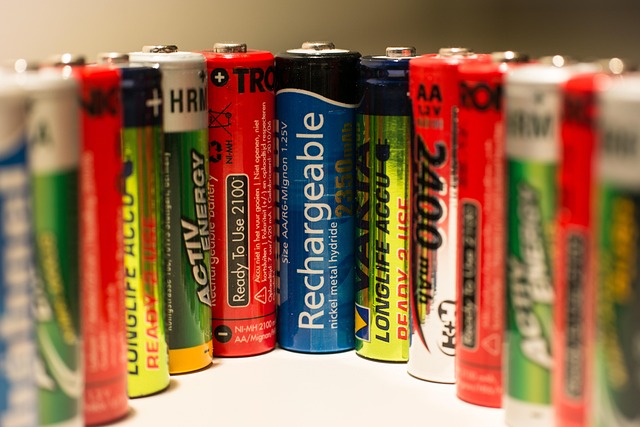
Background of the Fire and Subsequent Damages
The fire occurred at a residential property in the Palisades area, where investigators determined that an electrical fault initiated within a Ryobi power tool’s battery pack. The event unfolded rapidly, with flames spreading through stored materials before emergency services contained it. Damage reports estimated over $350,000 in structural and asset losses. Initial findings indicated that one of the battery cells experienced internal shorting, consistent with thermal runaway behavior typical of lithium-ion failures.
Extent of Property Damage and Financial Losses Incurred
Insurance assessors documented extensive smoke damage across multiple rooms and complete loss of several appliances near the ignition site. The financial claim totaled approximately $352,000—an amount now forming the basis of Palisades’ recovery demand against Ryobi’s manufacturer. Such valuations typically include reconstruction costs, content replacement, and temporary relocation expenses.
Initial Investigation Findings Linking the Incident to a Battery Unit
Investigators recovered remnants of a Ryobi 18V lithium-ion pack near the burn origin. Laboratory analysis revealed melted casing patterns indicative of internal cell venting rather than external ignition. Forensic specialists concluded that cell instability likely preceded flame propagation, consistent with overheating due to internal defect or overcharge condition.
Legal Context Surrounding the Lawsuit
Legal experts view this case as an important test for how liability is apportioned among manufacturers when energy storage products cause secondary damages.
Overview of Palisades’ Legal Claim Against Ryobi’s Manufacturer
Palisades filed its suit under product liability principles alleging that a defective Ryobi battery caused property destruction through spontaneous ignition. The claim asserts that design or manufacturing flaws rendered the product unreasonably dangerous for normal household use. This approach aligns with long-standing doctrines allowing recovery without proving negligence if defectiveness can be shown.
The $352K Recovery Demand and Its Basis Under Product Liability Law
The $352K figure represents direct compensatory damages sought for restoration costs and associated losses. Under state product liability statutes, plaintiffs must demonstrate defect presence at sale and proximate causation between defect and harm. Courts often weigh expert testimony from electrical engineers to establish whether design safeguards were adequate at time of manufacture.
Applicable State and Federal Regulations Concerning Defective Products
Federal oversight comes primarily through agencies such as the Consumer Product Safety Commission (CPSC), which mandates reporting for products posing fire hazards. At state level, Uniform Commercial Code provisions on implied warranties may also apply if batteries fail ordinary expectations of safety or performance.
Technical Examination of the Ryobi Battery Involvement
Analyzing this incident requires dissecting how lithium-ion architecture functions inside compact tool batteries and identifying where failure might occur.
Lithium-Ion Battery Architecture in Power Tools
A typical Ryobi battery contains cylindrical cells composed of an anode (graphite), cathode (lithium metal oxide), separator film, and liquid electrolyte facilitating ion transfer during charge cycles. Each component must maintain structural integrity under varying loads; even microscopic separator breaches can trigger shorts between electrodes. Effective thermal control—through heat sinks or electronic cutoffs—is essential to prevent cascading cell reactions known as thermal runaway.
Analysis of Potential Failure Mechanisms in the Ryobi Battery
Failure pathways include electrode misalignment during assembly or contamination by metallic particles introduced during production. Such flaws may remain dormant until stress conditions like high current draw or rapid recharging occur. Overcharging or prolonged storage at elevated temperature can further degrade electrolyte stability, raising internal pressure beyond containment limits.
Evaluating Evidence Linking the Battery to the Fire Source
Fire investigators employ residue mapping to trace ignition points by analyzing carbonization gradients and metallic deposits on surrounding surfaces. In this case, spectroscopy identified nickel-cobalt residues consistent with cathode materials used in power tool batteries. Expert witnesses referenced laboratory reconstructions demonstrating similar venting patterns under simulated fault conditions—strengthening causal linkage between defective cell behavior and combustion onset.
Manufacturer Liability and Legal Implications
Beyond technical causation lies a complex legal framework defining who bears ultimate responsibility when consumer electronics ignite unexpectedly.
Product Liability Principles Relevant to Battery Fires
Three core theories apply: design defect (inherent flaw across all units), manufacturing defect (isolated production error), and failure-to-warn (insufficient safety labeling). Plaintiffs must prove not only defect existence but also that it directly caused damages under foreseeable use conditions—a standard often debated through expert cross-examination in courtrooms nationwide.
The Role of Supply Chain Accountability
Modern power tool brands often outsource cell manufacturing while retaining branding rights. This separation complicates liability distribution since OEM suppliers may produce cells under contract while assemblers integrate them into final packs. Indemnity clauses typically shift financial exposure depending on which party controlled quality testing or certification steps prior to sale.
Contractual Indemnity Clauses Within Manufacturing Agreements
Contracts between brand owners like Ryobi’s parent company and their component vendors often stipulate indemnification terms covering fire-related claims arising from defective parts. Enforcement depends on jurisdictional interpretation but remains critical for determining whether downstream entities bear partial reimbursement duties following settlements or judgments.
Risk Management Practices for Power Tool Manufacturers
Preventive measures rooted in engineering discipline remain key to reducing litigation exposure from incidents like this one.
Quality Control Measures in Battery Production
ISO 9001-certified facilities implement multi-stage inspections including impedance checks, x-ray imaging for electrode alignment, and cycle-life testing before shipment. End-of-line audits catch latent defects that could later manifest as shorts during consumer use. Continuous monitoring systems log voltage fluctuations throughout charging cycles to detect anomalies early.
Enhancing Safety Through Design Innovation
Manufacturers increasingly embed sensors that monitor temperature rise above threshold levels, cutting current flow automatically if danger is detected. Some shift toward lithium iron phosphate (LiFePO4) chemistry known for lower volatility compared with traditional cobalt-based variants. Emerging solid-state designs further reduce flammability by replacing liquid electrolytes with ceramic conductors—though still costly at mass scale.
Broader Industry Implications Following the Lawsuit
The repercussions extend beyond one brand; they influence regulatory attitudes and consumer confidence across all cordless equipment markets.
Impact on Consumer Trust and Brand Reputation
When fires involve household names like Ryobi, public perception shifts quickly from reliability to caution. Transparent communication—acknowledging investigation progress without speculation—helps mitigate reputational erosion during litigation periods. Long-term trust recovery often requires voluntary recalls or warranty extensions demonstrating proactive safety culture rather than defensive posture.
Regulatory and Compliance Considerations Moving Forward
Agencies such as UL are expected to tighten certification criteria around pack-level thermal controls following incidents implicating mainstream tool batteries. Manufacturers may face expanded reporting obligations under revised CPSC frameworks requiring prompt disclosure of any field failures suggesting systemic risk patterns across model lines.
FAQ
Q1: What triggered Palisades’ lawsuit against Ryobi’s manufacturer?
A: Investigators linked a residential fire to a defective Ryobi lithium-ion battery pack, prompting Palisades to seek $352K compensation for property losses under product liability law.
Q2: How do experts determine if a battery caused a fire?
A: Forensic teams analyze burn residues, electrical traces, and material composition near ignition points using spectroscopy and microscopy techniques to confirm origin consistency with known battery chemistries.
Q3: What are common defects leading to lithium-ion fires?
A: Typical causes include internal short circuits from separator damage, manufacturing contamination by metal particles, overcharging beyond rated capacity, or poor heat dissipation within pack enclosures.
Q4: Can brand owners be held liable even if another company made the cells?
A: Yes, brand owners remain responsible under strict liability doctrines since they market finished products; however contractual indemnities may allow cost recovery from upstream suppliers later.
Q5: How might this case influence future power tool design?
A: It will likely accelerate adoption of safer chemistries like LiFePO4, stricter end-of-line testing standards per ISO guidelines, and integration of smarter protection circuits across all consumer-grade packs.