

Why Is Your Ryobi 40 Volt Lawn Mower Losing Power So Quickly
Your 40V Ryobi Mower Is Dying Too Fast—Why ‘Self‑Propel’ Is Killing Battery Life
A Ryobi 40‑volt lawn mower losing charge too quickly is not always a sign of a bad battery. In many cases, the self‑propelled system consumes more energy than expected, especially on uneven terrain or thick grass. The drive motor demands additional current alongside the cutting motor, causing voltage sag and faster discharge. Over time, this heavy draw accelerates cell degradation and shortens runtime. Proper maintenance, mowing technique, and smart charging habits can significantly improve performance.
Understanding Power Loss in Ryobi 40 Volt Lawn Mowers
Power loss in a Ryobi 40V mower often stems from both electrical and mechanical inefficiencies. Recognizing early symptoms helps prevent long‑term damage to the battery pack and drive system.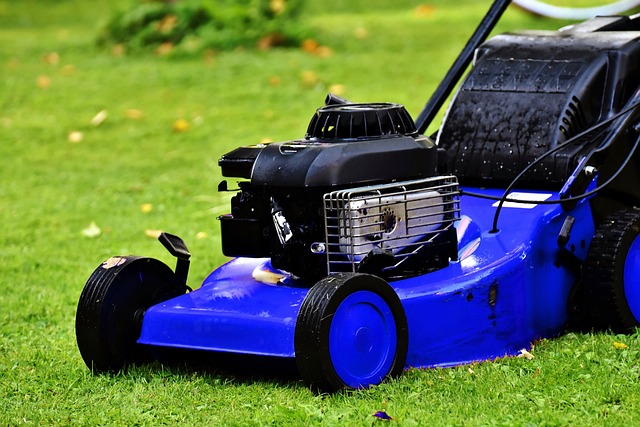
Common Symptoms of Rapid Power Drain
The most common signs include the mower shutting down after only a few minutes of use even with a seemingly full charge. Users may notice the battery indicator dropping sharply once the blades engage or when tackling thicker patches of grass. Another clear symptom is fluctuating blade speed or reduced cutting power that makes mowing uneven or incomplete.
Key Factors Behind Power Reduction
High current draw from the self‑propelled drive increases total load on the power circuit. When both motors operate simultaneously, they compete for current, resulting in reduced efficiency. Repeated deep discharges wear out lithium‑ion cells faster, lowering capacity over time. Heat buildup in either the motor housing or battery pack further worsens this degradation by accelerating internal resistance growth.
The Role of the Self‑Propelled Feature in Battery Consumption
The self‑propelled feature is convenient but also one of the main contributors to rapid battery depletion. Its design prioritizes ease of movement but demands significant electrical energy to maintain torque under variable terrain conditions.
How the Self‑Propelled System Operates
This system uses an independent drive motor that pulls power directly from the same 40V source as the cutting motor. On flat ground, it runs efficiently; however, climbing slopes or pushing through thick grass raises resistance dramatically. When propulsion and cutting occur together at high torque, discharge rates spike and runtime drops sharply.
Energy Distribution Between Drive and Cutting Motors
During operation, energy allocation shifts dynamically based on load stress. If propulsion faces high resistance—such as uphill mowing—the control circuitry diverts more voltage toward drive wheels at the expense of blade speed. This imbalance causes voltage sag across both circuits and results in uneven performance. Friction within gears and bearings adds further inefficiency, converting valuable electrical energy into heat rather than motion.
Evaluating Battery Health and Performance Degradation
Battery condition directly determines how long a Ryobi tool like a 40V mower can sustain full output. Regular inspection reveals whether poor runtime stems from usage habits or cell deterioration.
Identifying Signs of Battery Wear in Ryobi 40V Packs
A worn pack shows shorter runtime even after complete charging cycles. It may heat up unusually fast during regular mowing sessions or trigger thermal shutdown protection mid‑use. Electronic controllers inside modern Ryobi batteries detect inconsistent voltage output as an indicator of aging cells.
Factors Influencing Lithium‑Ion Battery Longevity
Charge and Discharge Cycles
Every lithium‑ion cell has a finite number of charge cycles before capacity fades noticeably. Frequent deep discharges shorten lifespan because cells experience higher internal stress near low voltage thresholds. Partial recharging between uses helps maintain better long‑term retention.
Storage and Environmental Conditions
Heat exposure remains one of lithium chemistry’s biggest enemies. Leaving batteries in direct sunlight or inside hot sheds accelerates electrolyte breakdown and permanent capacity loss. Storing them fully drained can also push cells below safe voltage limits, making recovery impossible.
Mechanical and Electrical Load Considerations
Power drain is not purely electrical; mechanical resistance plays an equally critical role in determining current draw from a Ryobi 40V mower during operation.
Blade Sharpness and Deck Resistance Impact on Efficiency
Dull blades require more torque to cut through grass fibers cleanly, increasing current demand from the motor controller. Accumulated clippings beneath the deck block airflow that normally lifts grass upright for efficient cutting, forcing extra strain on both blade rotation and battery output.
Motor Efficiency and Current Draw Characteristics
Ryobi’s brushless motors maintain high efficiency under moderate loads but lose effectiveness when torque spikes beyond design limits. Additional resistance from corroded connectors or partially damaged wiring amplifies voltage drop along circuits, wasting usable energy as heat instead of propulsion or cutting power.
Optimizing Operation to Extend Runtime and Efficiency
Extending runtime involves balancing mechanical upkeep with smarter mowing habits that reduce unnecessary electrical stress on both motors.
Adjusting Mowing Practices for Energy Conservation
Terrain Management Techniques
Avoid engaging self‑propel mode when mowing level or downhill areas since gravity already assists movement. Manual pushing during these sections conserves substantial charge for uphill runs where assistance is truly needed.
Grass Height and Moisture Control
Cutting dry grass reduces drag compared to damp blades sticking together under moisture tension. Maintaining moderate height intervals between mowings prevents overload situations where dense growth forces higher current peaks through both systems.
Maintenance Routines to Enhance Performance Longevity
Regular Cleaning and Inspection
After each session, removing debris from vents, blades, and deck minimizes overheating risk by restoring proper airflow paths around critical components like controllers and cooling fins.
Periodic Calibration of Self‑Propel Drive System
Checking wheel alignment ensures smooth traction without unnecessary friction losses along axles or cables that could otherwise increase rolling resistance during operation.
When to Consider Battery Replacement or Upgrade Options
Even with ideal maintenance routines, lithium packs eventually lose efficiency beyond recovery thresholds defined by internal diagnostics within Ryobi chargers.
Assessing Compatibility with Newer Ryobi 40V Batteries
Later generations often include improved cell balancing circuits that distribute charge evenly across modules for longer consistent runtime under identical conditions compared with earlier designs.
Evaluating Cost‑Benefit of Higher Capacity Batteries
Upgrading to higher amp‑hour ratings extends usable mowing time per session but adds noticeable weight at handle level which slightly alters balance during turns or transport between storage areas.
Integrating Smart Charging Habits for Sustained Output
Charging behavior strongly influences overall durability across multiple seasons of heavy yard work involving any Ryobi tool using 40V packs.
Utilizing Ryobi’s Intelligent Charger Features
Modern chargers monitor temperature sensors embedded within each pack to prevent overcharge events during hot weather periods while maintaining optimal float voltages once full capacity is reached automatically.
Scheduling Charging Cycles Strategically
Allowing batteries to cool naturally before recharging preserves chemical stability inside cells by avoiding compounding thermal stress immediately after demanding workloads like prolonged uphill mowing sessions.
FAQ
Q1: Why does my Ryobi 40V mower lose power so quickly?
A: The self‑propelled system draws additional current alongside the cutting motor, leading to faster discharge especially on inclines or thick grass patches.
Q2: Can dull blades affect battery life?
A: Yes, dull blades increase torque demand which forces higher current draw from the battery pack reducing runtime per charge cycle.
Q3: How can I extend my mower’s battery life?
A: Use self‑propel selectively on slopes only clean debris after each use store batteries in cool dry places and recharge partially instead of fully draining them each time.
Q4: When should I replace my Ryobi 40V battery?
A: Replace it when noticeable runtime reduction persists despite proper charging practices cleaning routines and verified motor efficiency checks indicating irreversible capacity loss within cells.
Q5: Do newer Ryobi batteries last longer?
A: Updated packs feature improved cell balancing technology allowing steadier voltage output under load conditions resulting in slightly longer runtimes compared with older versions.