
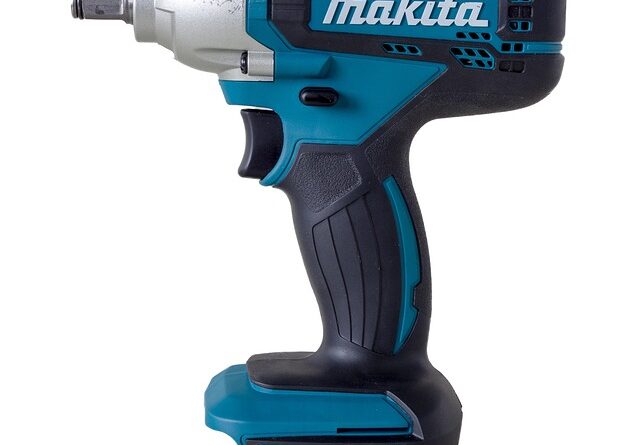
How Does Makita Battery Efficiency Influence 18V Cordless Drill Performance
Makita 18V Cordless Drill: How It Works and Where It Fits
The Makita 18V cordless drill has become a benchmark in professional tool systems due to its balance between compact design, torque output, and battery endurance. Its performance edge lies in how efficiently the Makita battery converts stored electrical energy into mechanical power. The synergy between the drill’s motor control electronics and the lithium-ion battery pack ensures steady torque, consistent speed, and reduced heat buildup even under heavy workloads. In practice, this means smoother drilling through dense materials and fewer interruptions for recharging. Professionals value this system not just for power but for its reliability across long workdays.
Understanding the Relationship Between Makita Battery Efficiency and Drill Performance?
The efficiency of a Makita battery directly defines how much usable power reaches the drill motor. Small inefficiencies compound during extended use, leading to voltage drops that affect torque stability and runtime. A well-balanced system maintains consistent performance from full charge to near depletion.
The Role of Battery Efficiency in Power Delivery
Battery efficiency governs how effectively electrical energy becomes mechanical motion. Stable voltage under load keeps torque consistent, while efficient energy transfer prevents noticeable slowdowns during demanding tasks. A high-efficiency Makita battery minimizes wasted current and heat, allowing the drill to sustain steady drilling speeds throughout prolonged operations.
How Battery Design Impacts Output Performance
Inside each Makita 18V pack, cell layout and internal resistance define current flow behavior. Lower resistance reduces heat buildup, maintaining both safety and output stability. Advanced balancing circuits distribute discharge evenly across cells, preventing premature wear. The integrated battery management system (BMS) continuously adjusts current delivery based on workload intensity, keeping performance predictable whether driving screws or drilling into metal.
Technical Aspects of Makita 18V Battery Systems
Makita’s 18V platform is built around lithium-ion chemistry optimized for high energy density and rapid recharge cycles. Its design philosophy focuses on maintaining consistent voltage while protecting against overload conditions that could shorten tool life.
Composition and Chemistry of Makita Lithium-Ion Batteries
Lithium-ion technology offers high capacity with minimal self-discharge, ideal for professional-grade cordless tools. The chemistry’s thermal stability allows safe operation during heavy-duty use where current draw peaks repeatedly. Unlike older nickel-based cells, these batteries endure fast charging without significant capacity fade over time—a key factor in preserving productivity on-site.
Voltage Regulation and Current Management in 18V Systems
Constant voltage output is vital for steady motor speed and torque delivery. Intelligent circuitry within the pack prevents sudden voltage dips when resistance increases mid-drill. Current regulation also shields both motor windings and battery cells from overload stress, extending operational life while maintaining reliable output across varying material densities.
The Influence of Battery Efficiency on Torque, Speed, and Runtime
Battery performance doesn’t just dictate runtime—it shapes how consistently torque is delivered under real-world loads. For tradespeople using impact drills or hammer modes, this consistency translates directly into cleaner holes and reduced bit wear.
Torque Output Consistency Under Load
High-efficiency batteries sustain torque levels even as charge diminishes. Reduced voltage sag means rotational force remains stable through hardwoods or concrete anchors alike. Torque sensors within the drill respond more accurately when supplied with uniform current flow, avoiding sudden stalls or surges that compromise precision.
Impact on Drilling Speed and Operational Smoothness
Stable current delivery maintains target RPMs despite shifting resistance as bit depth increases. Efficient batteries keep motor strain low, improving responsiveness when transitioning between materials like wood framing to steel brackets. Smooth acceleration curves reduce vibration feedback to the user’s hand—an often-overlooked detail that enhances accuracy during repetitive cycles.
Runtime Optimization Through Energy Utilization Efficiency
Improved discharge efficiency extends each work session before recharging becomes necessary. With lower internal losses, more stored energy translates directly into productive runtime rather than wasted heat. Proper thermal management inside the pack prevents overheating that would otherwise trigger protective cutoffs mid-task.
Heat Management and Its Role in Maintaining Efficiency
Temperature control is central to sustaining both performance consistency and long-term durability in cordless systems like Makita’s 18V line.
Internal Cooling Mechanisms in Makita Batteries
Makita integrates venting channels within its packs to dissipate heat generated during high-current draws such as masonry drilling or hole-saw applications. Embedded thermal sensors continuously monitor temperature levels; if thresholds are approached, output moderates automatically to prevent damage. This cooling architecture supports sustained power delivery through extended sessions without throttling performance prematurely.
Effects of Temperature on Performance Degradation
Excessive heat accelerates chemical wear inside cells, shortening lifespan over repeated cycles. Conversely, cold conditions temporarily limit available capacity by slowing ion movement within electrodes—a common issue on outdoor winter job sites. Maintaining moderate operating temperatures helps preserve both immediate output consistency and long-term efficiency metrics critical for professionals relying on predictable runtime estimates.
Integration Between Makita Batteries and Drill Electronics
Modern cordless drills function as smart systems rather than isolated components; communication between battery packs and onboard electronics determines overall responsiveness under variable workloads.
Communication Between Battery Packs and Motor Controllers
Makita employs data exchange protocols allowing real-time sharing of voltage, current, and temperature information between battery modules and motor controllers. This synchronization enables adaptive power distribution when load demand spikes suddenly—for example during bit binding events—preventing abrupt shutdowns while balancing efficiency against protection logic coded into firmware updates released periodically by manufacturers.
Electronic Protection Features Enhancing System Reliability
Over-discharge safeguards block deep cycling that would cause irreversible cell damage if unchecked. Short-circuit protection mechanisms maintain operational safety even under accidental conductive contact scenarios common in field environments. Integrated monitoring systems verify stable operation over time so that tool reliability remains constant across hundreds of charge-discharge cycles typical in professional use patterns.
Evaluating Long-Term Performance Sustainability of Makita 18V Systems
Durability is measured not only by immediate output but by how well a system retains its rated capacity after years of daily service across harsh conditions typical in construction or maintenance sectors.
Cycle Life Considerations in Professional Use Scenarios
High-efficiency lithium-ion packs exhibit slower degradation rates when charged correctly using compatible chargers designed with multi-stage balancing algorithms compliant with IEC standards for rechargeable systems (IEC 61960). Regular inspection routines—checking connector cleanliness or avoiding full depletion—extend usable lifespan without sacrificing peak power availability needed for demanding applications like auger drilling or lag screw driving.
Compatibility Between Newer Battery Generations and Legacy Tools
One strength of Makita’s ecosystem lies in backward compatibility across its LXT platform: newer high-capacity cells integrate seamlessly with older 18V tools without modification to housing or connectors. Enhanced cell chemistry boosts runtime while retaining identical form factors so mixed fleets remain interoperable—a practical advantage for contractors managing dozens of tools accumulated over years of upgrades.
FAQ
Q1: Why does my Makita drill slow down before the battery fully depletes?
A: Voltage sag occurs naturally as lithium-ion cells approach lower charge states; however, efficient packs minimize this effect so torque remains usable until near depletion.
Q2: Can I use an older charger with new 18V batteries?
A: Yes, provided it belongs to the same LXT family supporting lithium-ion chemistry; mismatched chargers may lack proper communication features affecting charge balance accuracy.
Q3: How often should a professional replace their Makita batteries?
A: Typically after several hundred full cycles depending on usage intensity; noticeable reductions in runtime signal approaching end-of-life stages rather than sudden failure events.
Q4: Do extreme temperatures permanently damage lithium-ion packs?
A: Sustained exposure above 60°C or below -10°C can degrade electrolyte composition leading to capacity loss; temporary exposure causes reversible performance drops only.
Q5: Are third-party batteries safe alternatives?
A: While some meet physical specifications, lacking certified BMS integration risks improper communication with drill electronics potentially voiding warranties or triggering protection cutoffs unexpectedly.