
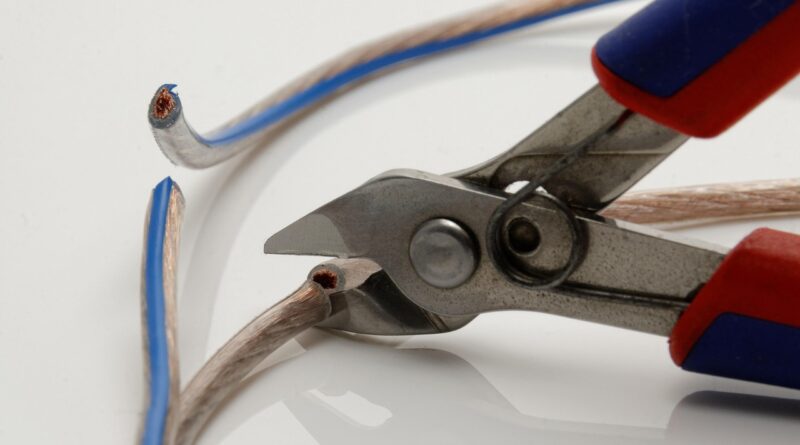
OSHA requires that electric tools be grounded or double insulated
Quick answer for electric tool safety
OSHA requires electric tools used in construction to be either approved double-insulated tools or grounded in accordance with OSHA electrical rules. On construction sites, OSHA also requires ground-fault protection through approved ground-fault circuit interrupters, commonly called GFCIs, or through an assured equipment grounding conductor program. In general industry, OSHA points portable electric powered tools to the electrical requirements in 29 CFR 1910 Subpart S, while also requiring employers to keep tools and equipment in safe condition.
The practical point is straightforward: an electric tool is not evaluated in isolation. The plug, cord, receptacle, circuit protection, inspection routine, repair history, and work environment all affect whether the setup is acceptable. For more tool safety context, see the Taodili Insight section.
Which OSHA rules apply to electric tools?
The most direct construction rule is 29 CFR 1926.302(a)(1), which covers electric power-operated tools. It states that these tools must be approved double-insulated tools or grounded under OSHA construction electrical rules in 29 CFR 1926 Subpart K. That is why many safety checklists summarize the requirement as: grounded or double insulated.
Compliance, however, does not stop at 29 CFR 1926.302. Construction employers also need to consider 29 CFR 1926.404, especially the provisions covering grounding, ground-fault protection, cord sets, receptacles, and the assured equipment grounding conductor program. For shops, warehouses, maintenance departments, and other general industry workplaces, 29 CFR 1910.243 says portable electric powered tools must meet the electrical requirements of 29 CFR 1910 Subpart S. OSHA general industry guidance also addresses how portable electric equipment is handled, including preventing cord and plug damage and visually inspecting cord-and-plug-connected equipment when required before use on a shift.
So the question is not only whether a tool has two prongs or three prongs. The better question is whether the full system is suitable for the work: an approved tool, correct plug, intact cord, safe receptacle, required ground-fault protection, and removal from service when damage is found.
The core requirement: grounded or double insulated
For many users, grounded or double insulated sounds like a simple choice built into the tool. It is partly that, but both options come with conditions.
Grounded tools
A grounded portable electric tool normally uses a cord with an equipment grounding conductor and a grounding-type attachment plug. The grounding pin is not a convenience feature; it is part of the fault-current path. OSHA construction electrical rules require the path to ground from circuits, equipment, and enclosures to be permanent and continuous. If the grounding pin is missing, the attachment plug is cracked, the cord jacket is damaged, or the receptacle is not properly wired, the setup should not be treated as compliant simply because the tool originally came with a three-prong plug.
Double-insulated tools
A double-insulated tool is designed with an additional protective insulation system instead of relying on an equipment grounding conductor. OSHA materials describe approved double-insulated hand-held tools as not requiring grounding, but the tool must be distinctively marked. OSHA interpretation letters also explain that acceptable double-insulated tools are typically listed or labeled by a qualified testing laboratory and marked with the double-insulation identification, commonly shown as a square within a square or by equivalent wording.
Double insulation is not the same as waterproofing. OSHA construction electrical guidance warns that a shock hazard can still exist if water enters the tool housing or if the tool is used in conditions for which it is not approved. A double-insulated drill, grinder, saw, or sander should still be inspected before use, kept dry unless approved for damp or wet locations, and removed from service if the cord, plug, switch, casing, or strain relief is damaged.
Approved equipment still matters
OSHA construction electrical rules require electrical conductors and equipment to be approved. In practice, supervisors should look for a recognized listing or labeling mark and should not assume that a low-cost replacement plug, modified cord, or altered housing preserves the tool’s approved condition. OSHA has addressed double-insulated tool repairs in interpretation letters, explaining that repairs must be consistent with the tool’s approval and must restore the tool to an approved condition. If a repair changes the design that made the tool acceptable, the compliance issue is not solved just because the tool still runs.
Grounding is not the same as GFCI protection
A common mistake is to treat grounding, double insulation, and GFCI protection as interchangeable. OSHA construction rules treat them as related safeguards, but they do different jobs.
| Safety question | What OSHA expects | Practical meaning |
|---|---|---|
| Is the tool acceptable? | For construction, the electric power-operated tool must be approved double insulated or grounded under Subpart K. | Check the tool marking, plug type, cord condition, grounding pin, and approval status. |
| Is the construction receptacle protected? | OSHA requires either GFCIs or an assured equipment grounding conductor program for construction-site ground-fault protection. | Do not assume that a properly grounded tool removes the need to address receptacle-level ground-fault protection. |
| Are 120-volt construction receptacles covered? | OSHA requires approved GFCIs for 120-volt, single-phase, 15- and 20-ampere receptacle outlets that are not part of permanent wiring and are in use by employees, unless the employer uses the assured equipment grounding conductor program option where allowed. | Temporary jobsite power and portable tool use need a deliberate GFCI or AEGCP approach. |
| Does double insulation remove all inspection duties? | No. Double-insulated tools may not have an equipment grounding conductor to test, but cords, plugs, and tool condition still require attention. | Inspect the cord, plug, housing, switch, and strain relief; remove damaged tools from service. |
GFCIs are designed to reduce shock risk by interrupting power when leakage current indicates a ground fault. Grounding provides a low-resistance fault-current path. Double insulation adds a protective barrier between energized parts and the user. These safeguards overlap in purpose, but they are not the same device or control, and they should not be substituted casually.
What an assured equipment grounding conductor program requires
Under 29 CFR 1926.404(b)(1)(iii), a construction employer that uses an assured equipment grounding conductor program must establish and implement it for cord sets, non-permanent receptacles, and cord-and-plug-connected equipment available for use or used by employees. OSHA’s minimum requirements go well beyond a quick look at the tool crib.
A compliant program must have a written description available at the jobsite. The employer must designate one or more competent persons to implement it. Each cord set, attachment cap, plug, cord-set receptacle, and cord-and-plug-connected equipment covered by the rule must be visually inspected before each day’s use, except for cord sets and receptacles that are fixed and not exposed to damage. The inspection looks for external defects such as damaged insulation, missing or deformed pins, and signs of possible internal damage. See also: Tool Categories.
The program also requires testing. OSHA specifies continuity testing for equipment grounding conductors and testing to verify that the equipment grounding conductor is connected to the proper terminal. Required tests must be performed before first use, before equipment returns to service after repairs, before use after an incident that could reasonably have caused damage, and at intervals not exceeding three months. Cord sets and receptacles that are fixed and not exposed to damage have a longer interval of not more than six months. Test records may be kept by logs, color coding, or another effective method, and they must identify what passed and the date or interval covered.
This is why many construction employers prefer GFCIs for temporary receptacles. AEGCP can be effective, but it requires disciplined inspection, testing, competent-person oversight, and records. It is not just a box of colored tape.
Daily use mistakes that create OSHA exposure
Most electric tool problems are not caused by obscure legal wording. They occur when routine jobsite shortcuts defeat the protection the tool was designed to provide.
- Removing the grounding pin: A three-prong plug with the grounding pin broken or cut off should be removed from service until properly repaired.
- Using damaged extension cords: Cuts, crushed insulation, exposed conductors, loose ends, and taped-over damage can compromise both shock protection and mechanical durability.
- Assuming double insulated means wet-location approved: Double insulation does not make a tool suitable for rain, standing water, or wet concrete unless the tool is approved for that purpose.
- Carrying or lowering tools by the cord: OSHA construction rules prohibit using electric cords to hoist or lower tools, and OSHA safety guidance warns against carrying tools by their cords.
- Using unapproved adapters or mismatched receptacles: Plug and receptacle ratings matter. Improvised adapters can create approval, grounding, and overloading issues.
- Continuing to use a defective tool: If a tool develops a defect, the safe course is to stop use, tag it, and have it repaired or removed according to the employer’s procedure.
Supervisors should also watch for missing guards, switches that do not return or shut off properly, cracked casings, overheated cords, loose strain reliefs, and tools that have been dropped or run over. These conditions may be electrical, mechanical, or both, but they all affect whether the tool can be considered safe for use.
A practical compliance checklist
Before electric tools are used on a jobsite or in a maintenance area, a practical review should cover the following points:
- Identify the work setting. Determine whether construction standards, general industry standards, or both may be relevant to the activity.
- Confirm the tool category. Is the tool grounded, approved double insulated, battery powered, or supplied through another permitted protective method?
- Check approval markings. Look for listing, labeling, double-insulation markings, and manufacturer information that match the tool’s intended use.
- Inspect the cord and plug. Reject tools with damaged insulation, missing pins, loose plugs, exposed conductors, crushed jackets, or questionable repairs.
- Verify ground-fault protection. On construction sites, decide whether GFCI protection or an assured equipment grounding conductor program is being used, and make sure the chosen approach is actually in place.
- Control damp and wet use. Use electric tools in damp or wet locations only when they are approved for those conditions and protected by the required electrical safeguards.
- Manage repairs carefully. Repairs should restore the tool to its approved condition and should not defeat grounding, double insulation, guards, switches, or strain relief.
- Keep AEGCP records if that option is used. Records should show what passed, when it was tested, and the interval covered.
This checklist is not a substitute for reading the applicable OSHA standard, state-plan requirement, manufacturer instructions, or site-specific safety program. It is a practical way to close a common gap: treating an electric tool as safe because it worked yesterday.
Frequently asked questions
Does OSHA require every electric tool to have a three-prong plug?
No. In construction, OSHA allows electric power-operated tools to be approved double insulated instead of grounded. A grounded tool normally needs an intact grounding conductor and grounding-type plug, while an approved double-insulated tool may use a two-prong plug and must be distinctively marked.
Are double-insulated tools exempt from construction-site GFCI rules?
Not in the way many people assume. The GFCI requirement in 29 CFR 1926.404 focuses on construction-site receptacle outlets and ground-fault protection. OSHA interpretation guidance has stated that if the GFCI option is used, qualifying receptacles must have GFCI protection regardless of the type of tool plugged into them.
How often must grounded equipment be tested under an assured equipment grounding conductor program?
OSHA requires tests before first use, before return to service after repairs, before use after an incident that could reasonably have caused damage, and at intervals not exceeding three months. Fixed cord sets and receptacles not exposed to damage may be tested at intervals not exceeding six months.
Can a damaged electric tool be used until the end of the shift?
If inspection finds damage or a defect, the tool should be taken out of use until repaired. OSHA’s AEGCP provisions state that damaged or defective equipment shall not be used until repaired, and OSHA construction safety guidance advises removing damaged portable electric tools from use and tagging them.
What is the safest short summary for supervisors?
Use approved tools, keep grounded tools grounded, use properly marked double-insulated tools where appropriate, protect construction receptacles with GFCIs or a compliant AEGCP, inspect cords and plugs before use, and remove damaged tools immediately. That summary captures the practical meaning of OSHA’s electric tool requirements without reducing them to a single plug style.