Which Drill Bit Guide Explains the Real Difference Between Wood vs Metal vs Masonry
The Ultimate Drill Bit Guide: Wood vs. Metal vs. Masonry
Choosing the right drill bit goes beyond size alone. You also need to see how each material reacts to pressure, heat, and rubbing. Hardwood, steel, and concrete each call for their own shape and build. This guide looks at the science in these tools. It helps you pick bits that cut well and last longer in real jobs.
Fundamentals of Drill Bit Design?
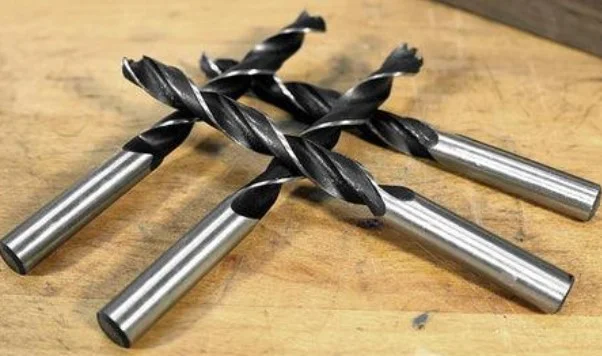
Drill bits do more than simple cutting. They combine metal type, shape, and movement. Every part of the design changes how well a bit works. It also changes how long the bit stays sharp. Heat and shaking during use play a big role too.
Core Structure and Material Composition
A drill bit starts with the material it is made from. High-speed steel, often called HSS, serves as the standard for most drilling work. It gives a good mix of strength and edge life. Cobalt bits add five to eight percent cobalt into the steel. This helps them keep hardness when they get hot. They suit stainless steel and other tough metals well. Carbide bits are very hard. They often reach over 90 HRC. This lets them stay sharp even in rough materials such as cast iron or mixed composites.
The weight of the material affects both how straight the hole stays and how long the bit lasts. Heavier bits shake less at high speeds. Yet they can send more heat to the cutting edge if you skip cooling steps. Carbide gives good accuracy because of its weight. Still, you must watch your speed. Otherwise the tip can chip during use. For instance, when drilling a row of holes in a steel plate for a bracket, slow the feed if the bit starts to bind.
Geometry and Cutting Edge Configuration
The shape of the bit decides how it meets the work surface. Point angles usually sit at 118 degrees for soft metals. They move to 135 degrees for harder alloys. Sharper points enter faster but wear out sooner. Flute design controls how chips leave the hole. Wide flutes clear wood dust quickly. Narrow flutes keep metal chips steady and under control.
The twist angle also matters. A steep twist between 35 and 40 degrees lifts chips well in soft materials like aluminum or pine. A flatter twist between 15 and 20 degrees gives better control in hard materials. Good chip flow stops clogging and keeps heat low. This becomes important when you drill deep holes in thick wood or masonry. In practice, many carpenters clear the bit every few inches on long holes to avoid heat build-up.
Drill Bits for Wood Applications?
Wood acts differently from metal or stone. It squeezes before it cuts. It also tears if the edge gets dull. Wood bits focus on clean entry and easy chip exit instead of raw force.
Characteristics of Wood Drill Bits
Common types include brad point bits for exact starts. Spade bits handle large holes at speed. Auger bits work for deep boring with little tear. Forstner bits create flat-bottom holes used in furniture joints. The small spurs on brad point bits cut the wood fibers first. This gives clean edges even when cutting across the grain.
Sharpness matters a lot. Dull edges create friction and burn the wood surface. Speed changes with bit type. Spade bits often run best around 1500 to 2000 RPM in soft pine. You should slow them in hardwood to avoid scorch marks. Many woodworkers test the speed on a scrap piece first before moving to the final board.
Performance Considerations in Various Wood Types
Softwoods like pine cut fast but can splinter at the edges. Hardwoods such as oak need slower feed rates to stop chatter. When you work with MDF or plywood, stop often to clear dust. Dust packs in the flutes and dulls the edge early. A quick blast of air from a compressor helps here.
Steady pressure works better than hard pushing. Even feed gives cleaner holes than forcing the bit through dense grain. Over time, resharpening brad point bits brings back accuracy without changing the hole size. Some users keep a small file in their pocket for quick touch-ups on the job site.
Drill Bits for Metal Applications?
Metal drilling needs care under high load. Temperature control becomes very important. The right steel mix decides if the bit cuts clean or burns up fast.
Material-Specific Bit Types for Metalwork
HSS works well for mild steel and aluminum. It resists bending under load. Cobalt bits handle tougher alloys like stainless steel. Their higher red hardness lets them run at raised temperatures without losing edge. Titanium-coated HSS adds surface hardness and cuts friction. The coating wears off after repeated use though.
Tip hardness must match the material. Aluminum gives way with less force than carbon steel. Stainless needs slow speeds plus coolant to move heat away. Cutting oil forms a thin layer that reduces wear. In a workshop setting, a small pump bottle of oil near the drill press keeps work moving smoothly on long runs.
Precision Drilling Techniques in Metal Fabrication
Pilot holes help when drilling thick or hard metals. They guide larger bits and reduce side stress on the flutes. Speed works in reverse with diameter. Small bits like higher RPM. Larger bits need slower RPM to keep torque steady.
Sharpening metal bits requires the right back angle, usually 8 to 12 degrees. This makes the edge cut instead of rub. A bench grinder with a fine wheel restores the shape without overheating the tip. Overheating can soften the steel and shorten bit life quickly.
Drill Bits for Masonry Applications?
Masonry brings its own problems. The grit wears edges fast. The pounding from hammer drills also tests the bond between shank and tip.
Composition and Structure of Masonry Bits
Most masonry bits use a tungsten carbide tip brazed onto a hardened steel body. The carbide takes the repeated hits without chipping when it meets stone or concrete. Flute design focuses on dust removal rather than chip flow. Spiral grooves carry the powder away so the bit does not bind in the hole.
SDS-plus systems fit light rotary hammers for holes up to 26 mm across. SDS-max shanks handle heavier work and deeper holes in reinforced concrete. On a construction site, workers often keep both shank types on hand for different wall thicknesses.
Operational Factors Affecting Masonry Drilling Efficiency
Hammer speed changes how fast the bit moves forward. Higher blows per minute suit brittle materials like brick. Too much can crack stone if torque stays high. Stop now and then to let the tip cool. Continuous pounding can glaze the surface and reduce bite.
If you hit rebar inside concrete, switch to a metal bit for that section. This protects the carbide tip. Then return to the masonry bit once past the steel. Eye protection and a dust mask stay essential because silica dust harms lungs over long sessions.
Comparative Analysis: Wood vs Metal vs Masonry Drill Bits?
Each material fights the bit in its own way. Wood, metal, and masonry need different hardness, shapes, and cooling plans to keep cutting well across tasks.
Differences in Material Interaction and Cutting Mechanics
Wood fibers slice clean under a sharp edge. Metal bends first then breaks. Masonry breaks from many small hits instead of one steady cut. Wood bits focus on lining up the hole. Metal bits focus on heat control. Masonry bits focus on taking the pounding.
Harder tips cut faster on tough surfaces. Yet carbide can snap if the drill twists hard. Balanced flutes reduce shake. This helps when the material changes from layer to layer or when the stone surface feels uneven. In mixed jobs, such as mounting shelves on a brick wall with wood trim, workers often keep two bits ready to avoid delays.
Selecting the Right Drill Bit Based on Application Context
Pick the bit by the job first. Use brad point or auger designs for timber framing. Use cobalt or titanium-coated HSS for steel frames. Use tungsten-carbide-tipped SDS systems for concrete anchors. Check that the shank matches the drill. Impact drills need strong shanks. A drill press likes bits with even flutes so the hole stays true.
Speed and life trade off against each other. Faster cuts finish the job sooner but wear the bit quicker unless you cool it well. Clean wood bits with solvent to remove sap. Oil metal bits after use so they do not rust. Check carbide tips for small cracks after heavy masonry work. These small steps add up over months of daily use in a busy shop.
FAQ
Q1: What makes cobalt drill bits better for stainless steel?
A: Cobalt keeps the bit hard when it gets hot. This lets it stay sharp while cutting dense metal like stainless steel.
Q2: Why do wood drill bits have spurs on their tips?
A: The spurs cut the wood grain first. This stops the edge of the hole from splintering and leaves a cleaner finish.
Q3: How often should metal drill bits be sharpened?
A: It depends on how much you use them. Most users sharpen after a few hours when the bit starts to drag or when the tip turns blue from heat.
Q4: Can masonry drill bits be used on tile surfaces?
A: Yes. Start slow without hammer action so the glaze does not crack. Once you pass the top layer you can turn the hammer back on.
Q5: What’s the main reason drill bits overheat during use?
A: Too much speed plus poor chip flow traps heat at the cutting edge. The edge then loses hardness and goes dull fast on any material.