
Can Lithium Battery Technology Redefine Energy Density After Chinese Breakthrough
The Significance of the Recent Chinese Breakthrough in Lithium Battery Technology
China has made a big jump in lithium battery tech. People around the world are talking about it. A team of scientists from China did this work. It points to better energy density, quicker charging, and safer use. Experts in the field see this as more than a small step. It changes how these batteries can run cars, store power, and power phones and laptops. Many folks in the industry think this could shift things in a real way over the next few years.
Overview of the Scientific Achievement
Chinese researchers have come up with a new kind of lithium battery. It mixes high energy density with better heat control. The main idea is a hybrid solid-liquid electrolyte. This setup sits between old-style lithium-ion batteries and full solid-state ones. It helps move ions better while keeping the battery safe in its shape. This solves a big problem that has held back better battery designs for a long time.
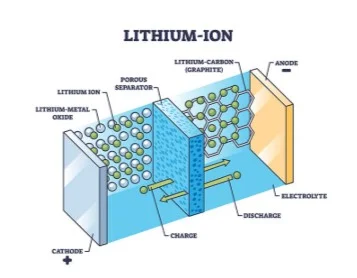
Old lithium-ion batteries use liquid inside. That liquid can leak or catch fire. The new setup adds a kind of half-solid layer at the edge. This layer stops small metal spikes from growing. It also lets the battery keep working even when voltage is high. Solid-state batteries often have trouble where parts touch. The Chinese version fits better with how factories already work. That makes it easier to make in big amounts later on.
Implications for Global Battery Research and Development
This step forward is already moving research plans in labs everywhere. More teams now look at hybrid electrolytes and strong anode materials. It pushes labs in other countries to try similar setups. The goal is to get good energy levels without losing safety. It might also change supply lines around the world. Less need for hard-to-get metals like cobalt could happen.
Big companies and schools now have a chance to work with Chinese research spots. Those spots are filing lots of patents on this stuff. Working together can help bring new batteries to stores faster. It also helps meet new rules on green practices that are coming up.
Understanding Energy Density in Lithium-Based Batteries?
Energy density is the main number that decides how far a car can go or how long a gadget lasts before a charge. It covers both weight and size measures. These two things affect how well a battery works and what it costs to make.
Defining Energy Density and Its Role in Battery Performance
Weight-based energy density shows how much power fits in each bit of mass. Size-based density shows the same per bit of space. Higher numbers let you pack more power into light or small packs. That matters a lot for drones or small gadgets people carry. Right now electrode stuff sets some limits. Graphite parts top out near 370 mAh/g. Most cathode parts stay under 250 mAh/g.
Energy density and how well things run do not always move together in a straight line. Pushing one side too hard can hurt how many times the battery lasts or make heat risks worse. So new material ideas are needed to keep things even.
Factors Influencing Energy Density Enhancement
What the battery is made of matters most. That includes the cathode, anode, and electrolyte mix. Teams are trying silicon-heavy anodes or thin lithium metal sheets. These can push past old limits on how much power fits. How the parts are built also counts. Tiny engineering at small scales helps ions move better. It also cuts down on stress when the battery charges and drains. Heat control gear needs to keep up so things do not get too hot at higher power levels.
Technological Innovations Underpinning the Breakthrough
The Chinese work builds on a few linked ideas. These are better anode work, cleaner electrolyte mixes, and tight control at the meeting points between parts. All this happens at very small sizes.
Advances in Anode Materials
Development of High-Capacity Silicon or Lithium Metal Anodes
Silicon can hold almost ten times more than graphite in theory. But it swells a lot when the battery works. The new way uses thin coatings put on one atom layer at a time. This cuts down on metal spikes and keeps the shape good over many cycles. At the same time extra layers help the part stay strong without losing the ability to carry current.
Integration Challenges with Current Manufacturing Processes
Putting these new parts into old factory lines is not simple. The mix used to spread the material can act different. Binder choices also change from what is normal. Making bigger amounts might cost more at first. But once more people buy in, the price per unit can drop with bigger runs.
Progress in Electrolyte Chemistry
Solid-State Electrolytes for Enhanced Safety and Stability
Solid electrolytes have been seen as safer for years because they skip the fire risk of liquids. Recent work looks at sulfide or oxide mixes to move ions faster. It also works on lowering the push-back where parts meet. This lines up with the path Chinese teams are taking. They want strong solid touch points that handle high voltage well.
Novel Liquid Electrolyte Formulations
Teams are also changing liquid mixes. They add solvents with fluorine or small helper chemicals. These keep cathodes steady above 4.5 volts. Getting the right thickness and mix keeps ions moving fast and the battery lasting long. That balance is key if the product is to sell well later.
The Role of Nanotechnology and Material Science in Redefining Energy Density
Nanotechnology helps with almost every new step in lithium batteries these days. By working at the level of atoms, teams can set how fast ions move or how electrons travel. This level of control was hard to reach before.
Nanoscale Engineering for Electrode Optimization
Electrodes built at small scales give more room for reactions to happen. They also shorten the path ions must travel inside the material. Shaping the bits into round balls or flat sheets stops cracks from forming over time. This keeps the whole part strong through many uses.
Advanced Characterization Techniques Supporting Innovation
Live electron microscopes let teams watch lithium build up inside a working cell. That kind of view was not possible before because the parts are so small and touchy. Pairing this with computer models based on quantum rules helps guess where wear will show up. It cuts down on years of guess-and-check tests in the lab.
Industrial Applications and Potential Market Impact
The effects of this Chinese work reach past labs. They hit real markets from electric cars to big power storage on the grid.
Electric Vehicles (EVs) and Energy Storage Systems (ESS)
Higher energy density means an EV can go farther on one charge without a bigger or heavier pack. Ions that move faster also mean shorter charge stops. That helps with one of the main things buyers still worry about. For big storage units that sit in one place, longer life cuts repair bills. It also helps bring in power from wind or sun by keeping supply steady.
Consumer Electronics and Portable Devices
Lighter cells in phones or laptops let makers make thinner bodies. Run time does not have to drop. Makers get room to try odd shapes like curved packs for foldable screens. That kind of design is showing up more in higher-end gadgets.
Strategic Considerations for Commercialization and Global Competitiveness
Getting these batteries into stores depends on more than just the tech. It also needs smart handling of patents and steady access to raw materials.
Intellectual Property Landscape and Patent Activity
Chinese groups have filed many patents on hybrid electrolyte mixes, ways to fix the meeting points, and anodes that mix silicon with lithium. This puts them in a strong spot in the global patent web. The filings show they want to set the rules for next-round batteries in many places.
Supply Chain Readiness and Material Availability
Keeping steady flows of lithium, nickel, manganese, and cobalt still matters. Even with moves to swap in other metals, these are key. Green rules add another layer. Recycle plans need to get better at pulling useful bits back out. This keeps harm to the ground and water low when digging for new stuff.
Future Research Directions in Lithium Battery Technology?
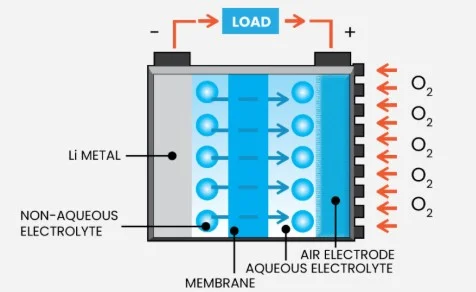
Looking ahead, systems like lithium-sulfur or lithium-air look promising for very high power levels. But they still face real issues with staying steady and working in both directions over time.
Pathways Toward Ultra–High-Energy-Density Batteries
Lithium-sulfur batteries can reach over 2600 Wh/kg in theory. Yet they lose power over time because of a shuttling effect with some compounds. Mixing in solid protection layers might slow that loss while keeping the light weight. That mix could fit well for planes or long-range cars.
Integration with Emerging Technologies
Smart computer programs now speed up finding new mixes. They look at big sets of test results and guess good combinations quicker than old trial methods. Quantum machines might take this further by showing how atoms link up. That can point to the right steps to make new materials before any lab work starts.
FAQ
Q1: What makes China’s new lithium battery different from previous models?
A: It uses a hybrid solid-liquid electrolyte. This gives both better safety and faster ion movement than old liquid designs.
Q2: How does this breakthrough affect global supply chains?
A: It could cut the need for hard-to-find metals like cobalt. New mixes can use more common materials instead.
Q3: Why is nanotechnology so crucial here?
A: Work at tiny scales helps keep electrode shape steady. It also guides ions to flow evenly while the battery runs.
Q4: Can existing factories produce these new batteries easily?
A: Some changes in how materials are handled are needed. Still, tests show the parts can fit into lines step by step without full rebuilds.
Q5: What’s next after this innovation?
A: Work will likely move toward lithium-sulfur or lithium-air types. These aim at even higher power for planes or cars that go very far on one charge.