
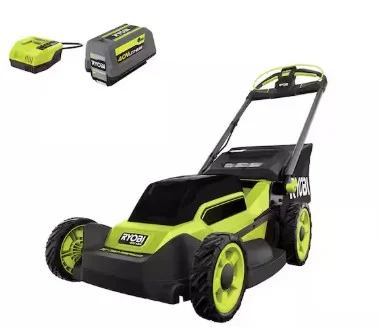
Is The Ryobi Lawn Mower Truly A Lightweight Game Changer For Experts
Evaluating the Ryobi Lawn Mower’s Lightweight Design
When you look at a new electric mower, the light build of the Ryobi lawn mower often catches your eye right away. Weight matters a lot for folks who cut grass for work or at home. It changes how simple it is to push the tool, carry it from place to place, and put it away once the job is done. Yet the way they made it lighter brings some choices that touch how well it works, how steady it feels, and how long it holds up.
Engineering Behind the Lightweight Structure
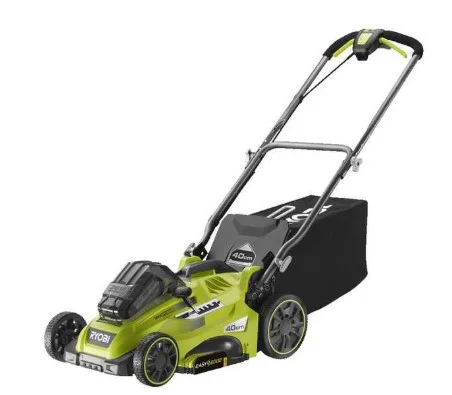
Ryobi engineers pick mixed materials and aluminum parts to cut down on frame weight. They keep the strength at the same time. These parts fight rust and hold shape when things get rough. The base has extra strong spots where pieces join so the load spreads out across the whole deck. That mix helps you move the mower easily while it stays solid. This matters when you cut grass often or on big patches of land. A light frame also helps with shakes. The deck and motor sit in a good spot so your arms do not get tired fast from the shaking that travels up the handle. Some very light mowers can feel loose on bumpy ground. Ryobi puts the weight low so the mower stays planted when you turn or go up a small hill. Take a regular yard with a few dips near the fence. The low spot keeps the wheels down instead of letting one side lift.
You notice this balance after an hour of work. The mower does not wander on its own when the grass gets thick in one corner.
Effects of Weight Reduction on Performance
A light mower moves smoother when you need to work close to flower beds or around tree trunks. On ground that goes up and down, the lower weight means the wheels do not drag as much so you steer with less effort. Still, there is a small downside. Less weight can mean the tires slip a bit more on wet grass. You may need to slow down or raise the blade a notch to keep the cut even. Many people who mow after rain learn this the first time they try a light model. From the side of lasting power, the lighter parts can show small marks sooner than heavy steel frames when rocks hit them. For most home yards and light work sites, the difference stays small if you clean the mower after each use and check the wheels now and then.
Power and Cutting Efficiency Assessment
How much power the motor puts out changes how well the mower cuts thick grass. Ryobi electric models use newer motors to get close to what gas mowers can do without the fuel smell or pull cord.
Motor Technology and Energy Output
Ryobi gives you a choice between brushed motors and brushless ones. Brushless motors keep the same turning force longer and last more seasons because there are no brushes to wear out. They hold speed steady when the grass changes from short to tall in the same pass. Some models have sensors that feel when the blade meets more resistance. The motor then adds power on its own to keep the cut clean while it saves battery at the same time. In a real yard with patches of tall weeds near the back fence, this auto adjust keeps the blade from slowing down and leaving uncut strips.
Blade System and Cutting Consistency
The blades are made to leave the grass at one height with few clumps left behind. The steel edges are ground sharp so each blade of grass gets a clean tip that helps the lawn grow back stronger. A 20-inch deck covers more ground in one pass than a smaller one. It does pull a bit more power from the battery though. Air moves inside the deck so clippings get chopped more than once before they leave the chute. The pieces end up small and break down fast on the lawn. Walk behind the mower on a dry day and you see the mulch settle right back into the turf instead of piling up in rows.
Battery System and Runtime Analysis
Battery size decides how long you can keep mowing before you stop to charge. This point comes up often when people talk about cordless tools for daily work.
Battery Capacity and Charging Innovations
Ryobi lithium-ion batteries come in sizes from 4Ah up to 10Ah. These packs work with the whole ONE+ line so one battery can run a drill, a blower, and the mower. That shared use lowers the total cost when you already own other Ryobi tools. New chargers cool the battery while it fills so the cells last through more charge cycles before they lose capacity. In practice, a 6Ah pack often gets a full yard done on a single charge when the grass is not too wet.
Runtime Performance Under Various Conditions
How long the battery lasts changes with how thick the grass is, if the ground is damp, and whether the yard slopes. Thick or wet grass makes the motor work harder and pulls more power. Two batteries together can run almost twice as long but add a little extra weight. Many people with yards bigger than half an acre like this setup. To stretch the time, you can mow in straight lines instead of turning a lot or switch to the lower power setting on days when the grass is light. One user found that cutting every other week instead of waiting three weeks kept the runtime closer to the longer end of the scale.
Durability, Maintenance, and Build Quality Insights
How long the mower lasts through season after season matters most when you rely on it for steady work.
Structural Integrity Over Time
The frame uses strong plastic mixed with aluminum where the wheels and handle attach. These parts hold up better against rust than painted steel when water and lawn food sit on them. After a few years, you may see small scuffs along the front edge from sticks and stones, but the mower still works fine if you rinse it off after each use. In one case a mower used on a lot with gravel paths kept its deck shape for four seasons with only the usual blade changes.
Maintenance Requirements for Longevity
Care stays simple. You can reach the blades fast to sharpen or swap them. The inside areas rinse clean after cutting wet grass. Grease points on the wheel axles stop bearings from wearing early. Parts are easy to find because Ryobi uses the same sizes across many models in the line. A quick check of the air filter and blade bolts every few weeks keeps most problems from starting.
Ergonomics, Control Systems, and User Experience
How the mower feels in your hands decides if you look forward to using it on long days.
Handle Design and Adjustability Features
The handle has height settings that fit different people without changing how the push feels. Soft grips on the bar keep your hands from getting sore even when you wear gloves on hot days. The handle folds down for storage in small sheds and locks tight again when you start mowing. On a Saturday morning when the sun is already high, these small points add up so the job does not feel like a chore.
Control Interface and Operational Feedback
The buttons sit where your hands rest naturally. A safety switch near the start button stops the motor from turning on by mistake. You can flip between normal cut and low power mode with one thumb. On self-propelled models the speed changes as you squeeze the trigger so the mower matches your walking pace on flat or sloped ground. Small lights show how much battery is left so you know when to plan a break. These lights help on big jobs when you want to finish before lunch.
Environmental Impact and Noise Considerations
Electric mowers like the Ryobi line draw interest because they leave a smaller mark on the air around the yard than gas models.
Sustainability Aspects in Design Choices
The factory uses plastic that can be recycled in many places and cuts down on metal scrap with careful shaping. No gas means no fumes while you mow. Over the whole life of the mower this adds up to less carbon in the air than a gas engine of the same power. When the battery finally wears out, take-back programs collect the cells for use in other power setups instead of sending them to a landfill.
Acoustic Performance Evaluation
Sound stays under 70 decibels in normal use. That level lets you start early without bothering neighbors. Foam inside the motor cover softens the high whine while still letting air flow to keep the motor cool. Lower noise helps your ears on long jobs and meets rules in many neighborhoods that limit loud tools during certain hours.
Market Positioning and Expert Perspective on Value Proposition
Among electric mowers from brands like Greenworks or EGO, the Ryobi lawn mower sits in the middle range where price and performance meet for many buyers.
Competitive Analysis Within the Electric Mower Segment
Next to other light mowers, Ryobi often wins on the way its batteries fit the rest of the ONE+ tools. This link matters to people who already have several Ryobi items. Some higher priced rivals give a bit more turning force or longer warranty papers, yet Ryobi gives a good mix of cost and daily use that beats many basic models on the shelf.
Long-Term Investment Potential for Professionals
For crews that handle small lots or regular upkeep, this mower gives steady results at a cost that spreads well over three to five years. Brushless versions show few big repairs even after many hours of use each season, based on reports from people who run them daily. One crew noted they changed only blades and one wheel over three summers on a set of these mowers.
FAQ
Q1: What makes the Ryobi lawn mower lightweight?
A: It uses mixed plastic and aluminum parts that cut total weight while the frame stays strong enough for normal use.
Q2: How long does the battery last during normal mowing?
A: Most units run 35 to 70 minutes on one charge. The exact time depends on grass height and how wet the ground is.
Q3: Is it suitable for professional landscaping work?
A: Yes, especially the brushless models. They give steady power that works well on medium lots cut several times a week.
Q4: Does reduced weight affect durability?
A: The lighter frame can pick up small marks faster in rough use, but it stays solid when you clean it and check the bolts on a regular schedule.
Q5: How quiet is it compared with gas mowers?
A: Sound stays below 70 decibels. Gas mowers often go over 90 decibels when they work hard, so the electric model disturbs less during early hours.