Is A Hammer Drill Good For Drilling Into Reinforced Concrete
The Function of a Hammer Drill
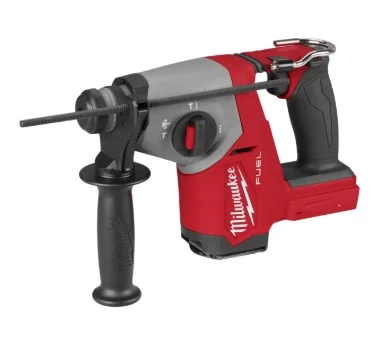
A hammer drill is a special power tool. It gives both spinning action and hitting power. This helps it drill into tough stuff like concrete, stone, and masonry. Many workers use it when the material is too hard for a normal drill. People often wonder if a hammer drill works well for reinforced concrete. To find out, it helps to look at how the tool runs, the problems reinforced concrete can cause, and how hammer drills stand up next to rotary hammers in hard jobs. On a real job site, a worker might need to put up shelves on a concrete wall and find out fast that a basic drill just spins without going in.
The Mechanism Behind Hammer Drilling
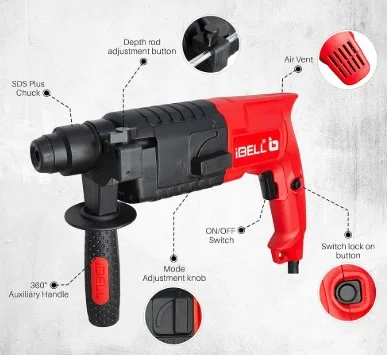
The main job of a hammer drill is to mix turning with hitting force. Inside the tool, two ridged metal discs or cams rub together. They make the chuck move back and forth fast while it spins the bit. This double action lets the bit break up the material at the tip. At the same time it clears dust and bits out of the hole. Think of it like chipping rock and twisting the small pieces away together. This sets hammer drills apart from regular drills. A normal drill only turns. It has no hitting action. The hammer drill breaks hard material with quick hits. But the cam system still gives less punch than the piston system in rotary hammers. Workers notice this when the hole gets deeper and the tool starts to slow down.
This way of working makes the hammer drill good for many masonry tasks. Yet it also shows its limits when the job gets heavy. The back and forth motion comes from the discs hitting each other many times a second. That creates the impact needed to crack concrete. Still, the force stays lower than what a piston can make. In practice, a hammer drill might finish ten small holes in a wall before the user feels the difference in power.
Types of Hammer Drills and Their Applications
Hammer drills come in two main types. There are corded models and cordless models. Corded ones give steady power as long as they stay plugged in. They often turn with more force for long jobs. Cordless ones let workers move around when there are no outlets close by. New lithium-ion batteries last longer than older types. Even so, heavy daily work still works better with corded tools because they do not run out of power in the middle of a task.
For tougher masonry work, SDS hammer drills are often picked. They pass the hitting force straight to the bit shank. The SDS system also stops the bit from slipping when the load gets high. This matters a lot when drilling into reinforced concrete or stone. When picking a hammer drill, think about how deep the holes need to go, how wide the bit is, and how hard the material feels. A worker might test a few bits first on a scrap piece to see which one fits the job best.
Characteristics of Reinforced Concrete as a Drilling Medium
Reinforced concrete is not the same all the way through. It is a mix of cement paste, pieces of gravel or crushed stone, and steel bars called rebar. This mix gives the concrete both squeeze strength and pull strength. But it also means the bit meets changing resistance as it goes deeper. One minute the bit hits hard stone. The next minute it hits steel. On a building project, a crew might drill twenty holes in one slab and find rebar in half of them.
Composition and Structural Challenges
Steel rebar inside cured concrete makes drilling harder. Concrete cracks when hit, but steel does not bend much. When the bit moves from concrete to steel, the vibration jumps up fast. Heat builds at the tip and wears down the carbide edges quicker. Long contact with rebar can dull the bit in seconds or make the tool stall if there is not enough turning power. A worker might feel the tool shake hard and know right away that steel is in the way.
Factors Affecting Drill Performance in Reinforced Concrete
A few things change how well a hammer drill works in reinforced concrete. Harder pieces of stone slow the bit down and wear the cutting edges faster. Hitting rebar by surprise can push the bit off line or stop it cold. Fresh concrete still holds water and feels a bit softer. Older concrete dries out and becomes more brittle. These changes mean even skilled workers have to change speed and push as the feel of the hole changes. For example, a team drilling anchor holes in a parking garage floor might slow down every time the bit hits a wet spot.
These conditions mean that even experienced operators must adjust speed and pressure during drilling. A small change in how hard you push can make the bit last longer or keep the hole straight.
Evaluating the Suitability of a Hammer Drill for Reinforced Concrete
Not every job needs the biggest tool on site. Knowing where a hammer drill works well helps avoid early wear on the tool. A worker who tries to use the wrong tool for deep holes may end up with a hot motor and a bent bit.
Advantages of Using a Hammer Drill on Reinforced Concrete
A hammer drill handles holes up to half an inch wide in walls or floors. These holes are often made for anchors and brackets. The hits break the concrete and the spiral flutes carry dust out. Tungsten carbide bits made for hammer use stay sharp in normal mixes. The tool is also light, so it is easier to hold over your head or in small corners where big tools get in the way. On a home renovation job, one person can finish a row of ten holes in an afternoon without getting too tired.
Another advantage is portability. Compact hammer drills are lighter than rotary hammers. This makes them easier to control overhead or in tight spaces where precision matters more than raw power. The lighter weight also means less strain on the arms during a full day of work.
Limitations When Encountering Rebar or Dense Aggregate
When the bit meets rebar or very hard stone zones, standard hammer drills often lose speed because they have less impact energy. The vibration can tire hands and arms faster than expected. It can also make the hole wander when exact placement matters, such as when putting anchor bolts near the edge of a beam. Extended use under heavy load can heat the motor or wear down internal bearings early. For many deep holes in thick rebar areas, switching to a rotary hammer becomes the better choice. A worker who keeps pushing a hammer drill past its limit may hear the motor strain and decide to stop for the day.
Extended operation under heavy load also risks overheating motors or wearing down internal bearings prematurely. For repetitive deep-hole tasks in reinforced sections, switching to a rotary hammer becomes necessary after the first few holes start to take too long.
Comparing Hammer Drills with Rotary Hammers for Reinforced Concrete Work
Hammer drills and rotary hammers may look similar from the outside. But the inside parts work in different ways.
Differences in Impact Mechanisms and Power Delivery
A rotary hammer uses an electro-pneumatic piston system instead of cams to make the hits. This design gives far more impact energy with each blow. The energy is often measured in joules. It lets the bit keep cutting through both concrete and embedded rebar without stalling. Rotary hammers also take larger diameter bits. They use SDS-plus or SDS-max shanks for structural work like dowel holes or anchor bolt installations. Their internal damping systems handle vibration better too. This keeps the operator more comfortable during long sessions. In a busy construction day, a rotary hammer can finish twice as many holes as a hammer drill before the user needs a break.
Rotary hammers also accommodate larger diameter bits using SDS-plus or SDS-max shanks designed for structural applications like dowel holes or anchor bolt installations. Their internal damping systems handle vibration better too, extending operator comfort during long sessions on multi-story jobs.
When to Choose a Rotary Hammer Instead of a Hammer Drill
You should choose a rotary hammer when working on repetitive deep-hole drilling tasks. These tasks include installing anchors into beams or columns that contain frequent reinforcement bars. It is also good for coring operations that need diameters above one inch. Standard hammer drills would struggle with those sizes. Rotary hammers are built for endurance. They keep working over long periods without overheating because they have better cooling designs and stronger parts inside. A crew working on a bridge repair might use rotary hammers all week without changing tools.
Rotary hammers are built for endurance. They maintain performance over prolonged use without overheating thanks to superior cooling designs and heavier-duty components. This makes them the go-to choice when the job runs past lunch and into the afternoon.
Best Practices for Drilling into Reinforced Concrete with a Hammer Drill
Even though reinforced concrete poses challenges, careful technique extends tool life and gives cleaner results. A few extra minutes spent on setup can save hours of fixing mistakes later.
Selecting Appropriate Drill Bits and Accessories
Bit Material and Design Considerations
Use tungsten carbide-tipped masonry bits made for reinforced concrete. These bits resist chipping when they hit metal like rebar. The spiral flute shape helps move dust away from the tip during high-impact cycles. On a job where twenty holes must be drilled in one morning, having the right bit from the start keeps the work moving. A good bit can last through five or six holes before it needs checking.
Cooling and Lubrication Techniques
During long drilling sessions, pull the bit out every few seconds. This releases trapped heat and clears debris from the flutes. In tough indoor projects, compressed air helps cool the bit without leaving water on the floor that could cause electrical problems. A worker who forgets to clear the dust might see the bit get stuck halfway through the next hole.
Operational Techniques for Optimal Efficiency and Safety
Managing Speed, Pressure, and Impact Rate
Keep steady forward pressure but do not force the tool. Let the inside parts do most of the work. Too much pressure can crack the concrete around the hole or burn out the motor early. Change the speed based on how hard the material feels. Lower speeds work better on hard mixes. Higher speeds help clear softer sections faster. In one case, a worker drilling near a window slowed the tool to avoid shaking the glass in the frame.
Identifying and Handling Rebar Encounters Safely
Before starting any exact layout drilling near steel bars, use an electronic rebar detector to map out bar positions under the surface. If the bit hits metal halfway through a hole, stop right away instead of forcing it through. Forcing can dull the edges in seconds or jam the bit inside steel loops. Some advanced tools let the user switch modes for a short time with special rebar-cutting bits. Then normal drilling can start again once past the steel. Checking with the detector first can save a whole morning of rework.
Maintenance Considerations After Drilling Operations
Proper maintenance after each session keeps performance steady and meets safety rules on future job sites. A quick check at the end of the day can catch small issues before they grow.
Tool Inspection and Component Care
After heavy work on reinforced materials, check the chuck for wobble and look at the carbon brushes inside the motor housing. High vibration wears these parts first. Cleaning dust from the vents stops overheating the next time the tool runs for long periods under load. A worker who skips this step might find the tool shuts off halfway through the next morning.
Bit Reconditioning and Replacement Protocols
Look at the carbide tips closely after each use. Any small chips mean the bit is losing its edge and should be changed before the next task. Dull bits make extra heat that moves back into the gears and causes extra strain over time. A small check now can stop a bigger repair later. Keeping a spare bit in the toolbox helps when one gets dull mid-job.
FAQ
Q1: What makes a hammer drill different from a regular drill?
A: A hammer drill mixes spinning with quick hits. The hits break hard masonry while the flutes clear dust at the same time. Regular drills only turn and often stall in tough material. On a simple home project, the difference shows up in the first minute.
Q2: Can you use a hammer drill on reinforced concrete?
A: Yes, it works well for shallow to medium holes. It slows down when it meets thick rebar or very hard stone. A rotary hammer handles those spots better when the job grows larger.
Q3: What type of bit should be used when drilling reinforced concrete?
A: Tungsten carbide masonry bits made for hammer drills hold up best. They keep cutting when the bit brushes steel bars inside the concrete.
Q4: How do you prevent overheating during long drilling sessions?
A: Pull the bit out often so air can reach the tip. Use short bursts of compressed air on indoor jobs to cool the bit without water on the floor.
Q5: When should you upgrade from using a hammer drill to a rotary hammer?
A: Upgrade when you need many deep holes or when the concrete has lots of rebar. The rotary hammer gives stronger hits and stays cooler over long runs. Many crews make the switch after one full day of slow progress with the smaller tool.