
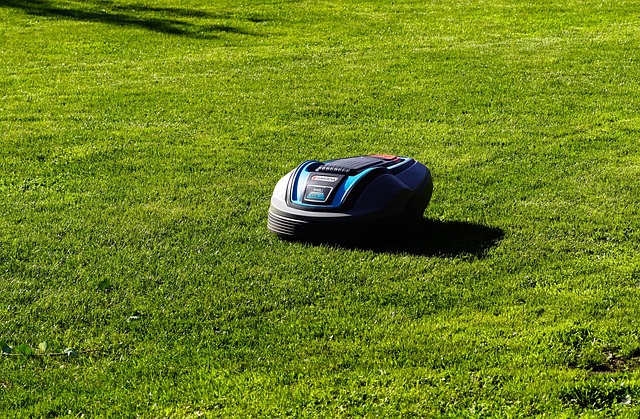
Is the Ryobi Electric Mower Redefining Efficiency for Small to Midsize Yards
Ryobi’s Newest Battery-Powered Riding Mower Is Built for the Average Small to Midsize Yard
Electric lawn care has moved from niche to mainstream, and Ryobi’s latest battery-powered riding mower demonstrates why. Designed for small to midsize yards, it combines quiet operation, zero emissions, and minimal upkeep with the performance once reserved for gas models. The result is a practical yet forward-looking solution that balances sustainability with everyday usability. For professionals and homeowners alike, this marks a turning point where electric mowing technology finally meets real-world demands.
The Evolution of Electric Lawn Care Equipment
The shift toward electric lawn tools reflects both environmental awareness and technological progress. Electric mowers now rival gas units in power while offering cleaner, quieter operation that fits modern neighborhood standards.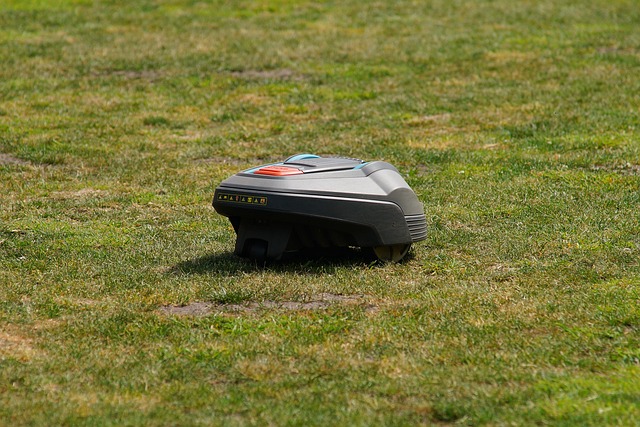
Transition from Gas-Powered to Electric Mowers
The move from gas to electric began as cities tightened noise and emission regulations. Early adopters appreciated the simplicity—no oil changes or fuel storage—and over time, battery improvements made these machines genuinely competitive. Lithium-ion technology has extended runtime well beyond early limitations, allowing users to cover average suburban lawns on a single charge. Consumers increasingly favor these low-maintenance options because they align with sustainable living without sacrificing performance.
Ryobi’s Position in the Electric Equipment Market
Ryobi has built its reputation on accessible innovation. Its cordless outdoor line targets homeowners who want professional-grade results without complex maintenance routines. Positioned in the residential and prosumer space, Ryobi bridges affordability and engineering precision. Against competitors like Greenworks or EGO, Ryobi emphasizes modular battery compatibility across its tool ecosystem—a significant advantage for those already invested in its 40V or 80V platforms. The brand’s focus on efficiency makes it particularly suited for small to midsize properties where maneuverability matters more than raw horsepower.
Design and Engineering Innovations in the Ryobi Electric Mower
Ryobi’s latest electric riding mower reflects a decade of incremental advances in battery management, ergonomics, and user experience design.
Battery Architecture and Power Management System
At its core is an advanced lithium-ion configuration designed for consistent voltage output even under heavy load. Smart charging systems regulate temperature during recharge cycles to extend overall cell life. Modular packs enable shared use across compatible Ryobi tools, reducing redundancy and cost for users maintaining multiple devices. This approach mirrors trends seen across the broader power tool market where interoperability drives brand loyalty.
Ergonomics and User-Centric Design Features
Comfort plays a larger role than many expect in mowing efficiency. Ryobi’s adjustable seat height and steering column accommodate varied operator sizes, while simplified controls reduce learning curves for first-time users transitioning from push models. The compact chassis improves turning radius—an underrated factor when trimming around garden beds or narrow side yards typical of suburban lots.
Performance Metrics: Efficiency Redefined for Residential Use
Performance evaluation now extends beyond horsepower into energy consumption per square foot of coverage—a metric increasingly relevant as electricity costs fluctuate.
Energy Consumption and Runtime Efficiency
Modern brushless motors paired with optimized blade geometry allow longer runtimes without compromising cut quality. By fine-tuning blade speed relative to grass density, energy draw is minimized while maintaining clean cuts. Some systems even incorporate regenerative braking that recaptures kinetic energy when decelerating downhill, marginally extending runtime during extended sessions.
Cutting Precision and Deck Technology
Ryobi employs synchronized multi-blade setups that maintain uniform cutting height across uneven surfaces. Its deck design channels airflow efficiently beneath the housing, improving suction so grass stands upright before cutting—key to achieving professional-grade finishes on residential turf. Load-sensing algorithms adjust torque automatically based on resistance from thicker patches or damp conditions.
Comparative Assessment Against Traditional Mowers
When comparing lifecycle economics, electric models increasingly outperform their gas counterparts over time despite higher upfront costs.
Operational Cost Efficiency Over Time
Electricity costs less per hour than gasoline under most regional rates reported by the U.S. Energy Information Administration (EIA). Without oil changes or spark plug replacements, long-term maintenance drops sharply—often by half over five years of ownership. Component wear is slower due to fewer moving parts exposed to combustion heat or vibration stress.
Environmental Performance Indicators
Zero direct emissions make battery-powered mowers compliant with urban environmental codes aimed at reducing localized air pollution. Noise levels typically measure below 70 dB(A), well within residential limits set by ISO 11094 acoustic standards for outdoor machinery. These attributes contribute directly to sustainable landscaping practices increasingly adopted by municipalities and homeowner associations alike.
Usability Insights for Professionals and Homeowners Alike
Beyond specs, everyday usability determines whether technology gains lasting acceptance among skilled operators and casual users.
Maintenance Protocols and Durability Considerations
Battery care remains straightforward: store packs at partial charge during off-season months and avoid extreme temperatures to preserve capacity retention above 80% after several hundred cycles as outlined by IEC 61960 testing standards. Structural durability tests show steel-reinforced frames withstand repeated seasonal vibration without fatigue cracking common in lightweight composites used by cheaper brands.
Integration with Broader Smart Yard Ecosystems
Although current models focus on standalone performance, integration potential is clear. IoT-enabled monitoring could allow future versions to sync with smart irrigation systems or predictive maintenance dashboards tracking usage hours per charge cycle—features already appearing in commercial-grade fleets using telematics data analytics.
Market Implications and Future Outlook for Electric Mowing Technology
As adoption accelerates among residential owners, manufacturers face pressure to innovate faster while keeping prices accessible.
Consumer Adoption Trends in the Residential Segment
Government incentives promoting electric outdoor tools have boosted sales across North America and Europe according to IEA market data on electrified small engines. What began as an eco-conscious choice now trends toward standard practice; homeowners view quiet operation as a lifestyle improvement rather than compromise.
Technological Advancements Shaping Next Generation Models
Solid-state batteries promise higher energy density with faster charging times—potentially doubling runtime within three years if current R&D projections hold true under IEEE Energy Storage reports. AI-driven route mapping could further refine mowing efficiency through adaptive path planning similar to robotic vacuum algorithms already mainstream indoors. Hybrid solar-assisted charging concepts are also emerging as viable supplements for extended off-grid use during peak summer demand periods.
FAQ
Q1: How long can a Ryobi electric mower run on one charge?
A: Depending on model capacity, most cover up to one acre per charge under normal conditions using dual lithium-ion packs rated between 75–100 Ah combined output.
Q2: Are replacement batteries expensive?
A: Initial cost is higher than gas refills but amortized over lifespan; typical lithium packs last 3–5 years before noticeable degradation depending on storage habits.
Q3: Does the Ryobi electric mower require special maintenance?
A: Routine tasks include cleaning deck buildup and checking tire pressure; no oil changes or fuel filters are required unlike combustion engines.
Q4: Can it handle wet grass effectively?
A: While performance dips slightly on damp turf—as with all mowers—the load-sensing system compensates torque automatically to maintain consistent blade speed.
Q5: Is it suitable for professional landscapers?
A: For small-scale operations focusing on residential clients, yes; however large-acreage contractors may still prefer high-capacity commercial units until next-gen batteries mature further.