Can A Tiny Newly-Discovered Fish Rival A Pneumatic Drill Jackhammer In Sound Power
Best Corded SDS Hammer Drill That Experts Swear By
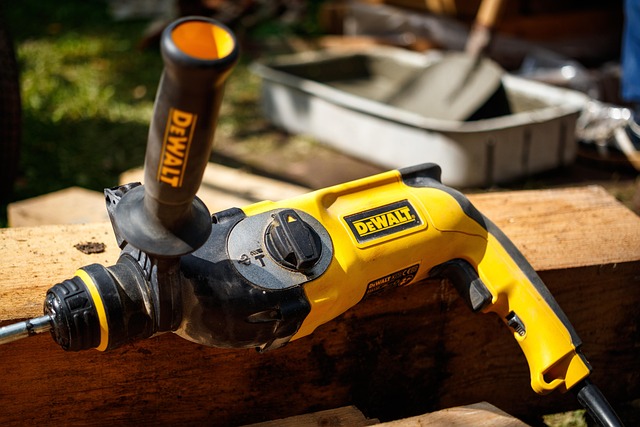
A corded rotary hammer remains the professional’s choice when consistent torque and uninterrupted performance are essential. Experts favor these tools because they deliver stable power output and superior drilling efficiency in concrete, masonry, and steel-reinforced structures. Unlike cordless systems that rely on battery cycles, a corded rotary hammer sustains full energy transfer throughout extended use. The best models combine high joule impact ratings, ergonomic control, and reliable SDS chuck mechanisms—making them indispensable for demanding industrial environments.
Understanding the Role of a Corded Rotary Hammer in SDS Drill Performance?
The performance of a corded rotary hammer is shaped by how its internal mechanics convert electrical current into rotational and percussive force. This section explores the operating principle, the comparison with cordless systems, and their relevance to continuous-duty applications.
How a Corded Rotary Hammer Operates
A corded rotary hammer uses an electric motor to generate torque that drives both rotation and impact. The motor’s crank mechanism pushes a piston that compresses air inside a chamber, producing rapid blows on the bit shank. This combination of torque and impact energy allows efficient drilling through dense materials. Since it draws power directly from an AC source, voltage drop is negligible, ensuring consistent performance even during prolonged operation. Continuous current flow also prevents loss of percussion rate under heavy loads.
Comparing Corded and Cordless Power Systems
Cordless hammers depend on battery voltage stability, which declines as charge depletes, affecting torque output. In contrast, corded models maintain constant wattage regardless of duration or load intensity. For industrial users drilling anchor holes or chipping concrete all day, this stability translates into higher operational efficiency. While cordless units offer mobility, they cannot match the sustained energy delivery of corded designs during long shifts or in extreme material conditions.
Key Performance Factors in Corded SDS Hammer Drills
Professional-grade performance depends on several measurable parameters including impact energy, motor design, and vibration control. Each influences how effectively the tool transfers energy to the work surface.
Impact Energy and Drilling Efficiency
Impact energy is measured in joules and indicates how much force each blow delivers to the bit tip. A higher joule rating means faster penetration through reinforced concrete or stone. The SDS mechanism channels this energy directly into the bit without slippage, improving efficiency compared to traditional chucks. Modern vibration reduction systems isolate the handle from impact forces, reducing operator fatigue while maintaining accuracy—a critical factor during repetitive drilling tasks.
Motor Design and Power Management
Corded rotary hammers may use brushed or brushless motors. Brushed versions are simpler but require maintenance due to carbon wear; brushless designs offer better heat dissipation and longer lifespan under continuous current flow. Heat management is crucial since excessive temperature can degrade insulation or bearings. Overload protection circuits also safeguard internal components from voltage spikes common in construction sites powered by generators.
The Relationship Between Chuck Design and SDS Compatibility
The chuck system determines how effectively torque and impact are transferred to the bit. Proper SDS compatibility ensures secure retention under high stress while minimizing mechanical losses.
The Function of SDS Mechanisms in Rotary Hammers
SDS Plus and SDS Max systems use specially grooved shanks that slide within locking sleeves yet remain firmly engaged during operation. This design allows axial movement for hammering while preventing rotational slip under heavy torque loads. For professional applications such as rebar doweling or demolition chiseling, choosing the correct SDS interface ensures optimal power transmission without damaging bits or sockets.
Maintenance and Durability of the Chuck System
Regular lubrication prevents metal-to-metal wear between the shank grooves and sleeve bearings. Over time, signs like increased play or uneven rotation indicate chuck fatigue or misalignment that can compromise drilling precision. Routine inspection after every major project helps extend tool life and maintain consistent performance across varying job conditions.
Integrating a 1/2 Inch Drive Socket with Rotary Hammer Applications
Adapting a 1/2 inch drive socket expands tool versatility but introduces new mechanical considerations regarding torque transfer and safety.
Practical Use Cases for Drive Socket Adaptations
A 1/2 inch drive socket adapter allows a rotary hammer to perform limited fastening tasks such as loosening large anchor bolts where high-impact rotation is beneficial. However, this setup should only be used when standard wrenches cannot provide enough force since rotary hammers are not primarily designed for threaded fasteners.
Performance Implications of Accessory Integration
Using non-standard attachments alters load distribution across gears and bearings. Manufacturers often caution against prolonged socket use because it increases side loading on internal shafts. Following official accessory guidelines preserves warranty coverage and avoids premature component wear during mixed-function operation.
Factors That Define Expert-Level Performance in Corded Rotary Hammers
Expert operators evaluate more than raw power—they consider ergonomics, build quality, and material engineering that influence durability under real-world conditions.
Balancing Power, Control, and Ergonomics
Handle geometry affects how well vibration forces are absorbed by the user’s arms during extended drilling sessions. Balanced weight distribution between motor housing and gearbox improves control when working overhead or at awkward angles. Anti-vibration handles using elastomer dampers help reduce strain injuries common among tradespeople who drill daily on reinforced slabs.
Material Engineering and Build Quality Considerations
Premium housings often combine aluminum gear casings with reinforced polymer shells to resist shock impacts while keeping weight manageable. High insulation standards following IEC safety classifications protect operators from electric faults in damp environments. Dust-sealed switches and cooling fans extend service intervals by preventing abrasive debris from entering critical components—a key differentiator among professional-grade models.
Emerging Trends in Professional Corded Rotary Hammer Technology
Technological evolution continues to enhance precision control and energy efficiency across modern corded platforms used by contractors worldwide.
Advancements in Electronic Control Systems
Constant-speed electronics maintain uniform RPM even as bit resistance fluctuates through variable density materials like concrete with embedded rebar mesh. Soft-start circuits limit initial surge current for smoother engagement at job start-up stages—reducing kickback risks especially when using large-diameter core bits.
Innovations in Bit Retention and Energy Efficiency
Manufacturers now experiment with alloy compositions that increase bit grip strength without raising friction losses inside SDS sleeves. Improved lubrication channels within chucks lower heat buildup during long-duration drilling cycles while conserving input power consumption relative to output impact force—a significant step toward sustainable tool design within industrial frameworks defined by ISO efficiency standards.
FAQ
Q1: Why do professionals still prefer corded rotary hammers over cordless ones?
A: Because corded models provide constant voltage supply ensuring uninterrupted torque output ideal for heavy-duty continuous work cycles.
Q2: What does joule rating mean on an SDS hammer drill?
A: It measures impact energy per blow; higher values correspond to faster penetration through hard materials like concrete or granite.
Q3: Can a 1/2 inch drive socket be safely used with a rotary hammer?
A: Yes but only occasionally; excessive use may strain internal gears since these tools are optimized for percussive drilling not fastening tasks.
Q4: How often should an SDS chuck be lubricated?
A: Typically after every few hours of intensive use or whenever dust exposure is high to prevent wear on locking sleeves.
Q5: What feature most improves comfort during long drilling sessions?
A: Advanced anti-vibration handles combined with balanced body design significantly reduce operator fatigue over extended periods.