
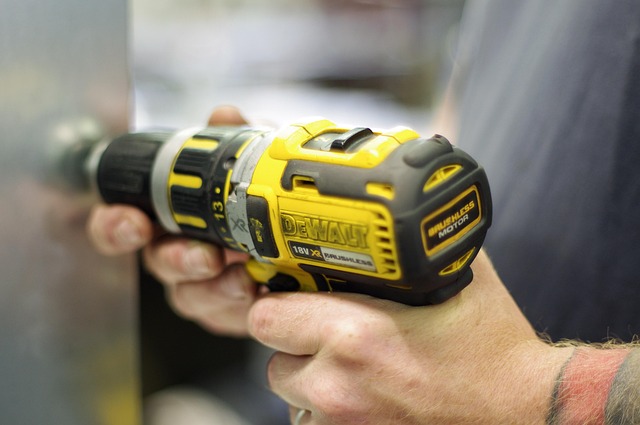
Are Portable Drill Machine Designs Evolving to Outperform Traditional Models
After Months of Driving Screws, These Are the Best Drills I Tested
Portable drill machines have evolved from heavy corded tools into compact, high-torque powerhouses that rival traditional models. After extensive testing across materials like wood, steel, and black malleable iron pipe fittings, the best drills today combine brushless motors, smart battery systems, and ergonomic design to deliver both precision and endurance. Professionals now favor cordless units for their mobility and balance between power output and runtime, making them indispensable in industrial and field operations.
The Evolution of Portable Drill Machine Design
The development of portable drill machines reflects decades of engineering progress aimed at improving mobility and efficiency while maintaining durability.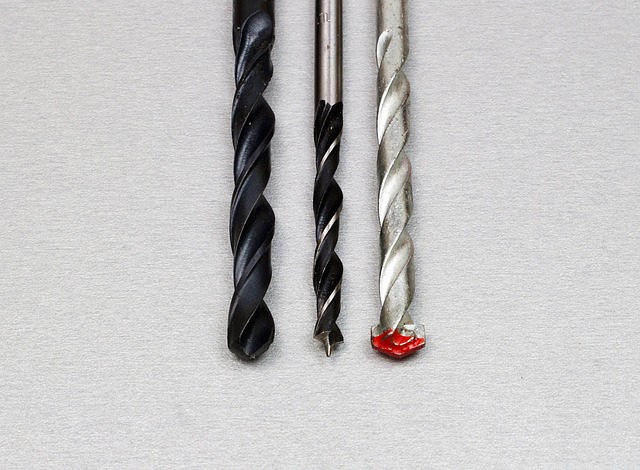
Historical Overview of Drill Machine Development
Early drill machines were bulky and corded, offering limited flexibility. The shift from manual crank drills to electric-powered versions marked a turning point in productivity. By the late 20th century, advances in compact motor design allowed lighter bodies without compromising torque. The introduction of lithium-ion batteries then transformed drills into fully portable systems capable of handling industrial workloads with consistent power delivery.
Key Drivers Behind Modern Design Innovation
Modern design priorities stem from user demand for lightweight yet robust tools. Industrial workers require ergonomic handles that reduce strain during repetitive tasks. Material science innovations—like using magnesium alloys or reinforced polymers—have improved heat resistance and mechanical strength. Continuous field testing also plays a role; feedback loops between users and manufacturers refine features such as clutch sensitivity and trigger response.
Engineering Innovations in Portable Drill Machines
Recent engineering breakthroughs have focused on three main areas: motor efficiency, battery management, and ergonomics—all contributing to the superior performance seen in current portable drill machines.
Improvements in Motor Efficiency and Torque Delivery
Brushless motors dominate modern designs due to their higher efficiency and lower maintenance needs. They convert more electrical energy into mechanical torque while generating less heat. Variable speed controls give operators precise control over drilling depth across materials like wood or metal. Compact motor assemblies also improve weight distribution, reducing vibration during extended use.
Battery Technology and Power Management Systems
Lithium-ion batteries have replaced nickel-cadmium cells thanks to their higher energy density and faster recharge cycles. Smart battery management systems track temperature and load conditions to prevent overheating. Many brands now use modular battery packs that fit across multiple tools within the same platform—a practical feature for professionals managing varied equipment on-site.
Ergonomics and Material Design Enhancements
Designers have turned to composite polymers to reduce tool weight while maintaining rigidity. Soft-grip coatings enhance comfort during long work sessions. Noise reduction chambers inside casings dampen vibration, which not only improves control but also extends component life by minimizing fatigue-related wear.
Performance Comparison: Portable vs Traditional Drill Machines
As cordless drills gain power parity with their corded predecessors, evaluating performance metrics reveals how far portable technology has progressed.
Power Output and Drilling Efficiency Analysis
Traditional corded drills still offer steady power under continuous load but are restricted by cable length. High-end portable models now deliver comparable torque levels due to efficient brushless motors and optimized gearing systems. In industrial settings requiring uninterrupted operation, corded units maintain an edge; however, for mobile technicians or installers, cordless options offer unmatched convenience.
Durability, Maintenance, and Lifespan Considerations
Metal-bodied traditional drills remain reliable for heavy-duty applications like steel fabrication. In contrast, modern portable drills use reinforced polymer shells designed to absorb impact without denting or cracking. Maintenance frequency varies by motor type—brushless systems generally last longer since they lack commutators subject to wear—and proper cooling design further extends lifespan under high workloads.
Integration with Industrial Applications and Accessories
Portable drill machines are increasingly tailored for specialized industrial uses that demand precise torque control and compatibility with diverse materials.
Compatibility with Black Malleable Iron Pipe Fittings and Other Materials
Working with black malleable iron pipe fittings requires sufficient torque for threading or boring through dense metal surfaces. Specialized cobalt or carbide-tipped bits are often used to maintain cutting efficiency while preventing overheating. Adjustable speed settings enable smooth penetration without deforming threads or damaging joints—a critical factor in plumbing or mechanical assembly tasks.
Adaptation for Multi-Purpose Industrial Use Cases
Quick-change chucks allow seamless swapping between drilling bits, grinders, or screwdriver attachments. Adjustable clutch systems provide fine-tuned torque control when assembling sensitive components such as pipe couplings or electrical enclosures. Some advanced models integrate digital torque sensors that transmit data wirelessly for quality assurance tracking in production environments.
Future Trends in Portable Drill Machine Design Evolution
Emerging technologies are reshaping how drills interact with users and manufacturing ecosystems alike.
Smart Connectivity and Data Integration Features
IoT-enabled drills can now record usage statistics like torque output or runtime hours directly into cloud dashboards via Bluetooth connectivity. This data helps maintenance teams predict component wear before failures occur—a practice aligned with predictive maintenance models endorsed by industrial standards organizations such as IEEE for smart manufacturing environments.
Sustainable Manufacturing and Energy Efficiency Directions
Manufacturers are shifting toward recyclable materials like aluminum composites to reduce environmental impact during production cycles. Low-energy standby modes cut idle consumption without affecting readiness. Modular construction supports repairability rather than full replacement—an approach consistent with circular economy principles gaining traction across global tool manufacturing sectors.
FAQ
Q1: What makes a brushless portable drill machine superior?
A: Brushless motors generate less heat, deliver higher torque efficiency, and require minimal maintenance compared to brushed types.
Q2: Can portable drills handle black malleable iron pipe fittings?
A: Yes, when equipped with appropriate bits and controlled speed settings, they can bore or thread through iron fittings effectively without overheating.
Q3: How long does a lithium-ion battery typically last?
A: A well-maintained lithium-ion pack can endure hundreds of charge cycles before noticeable capacity loss occurs.
Q4: Are cordless drills suitable for continuous industrial use?
A: For prolonged operations requiring constant power supply, corded models may still be preferable; however, cordless variants excel in mobility-focused tasks.
Q5: What future features will define next-generation drill machines?
A: Expect broader IoT integration for performance monitoring, sustainable material adoption, and enhanced modularity supporting multi-tool compatibility.