
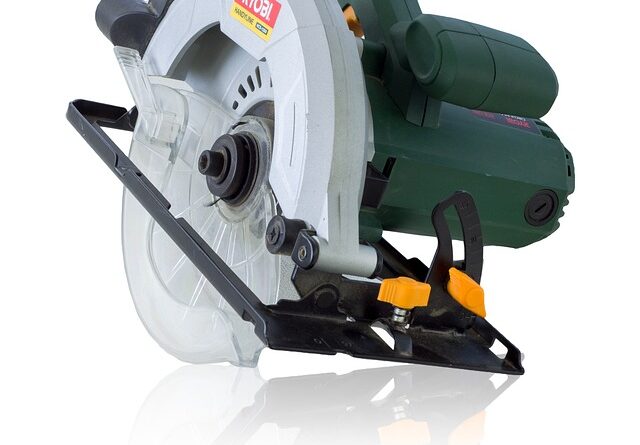
Is Your Ryobi Circular Saw Losing Power Because of a Battery Mistake
The Battery Mistake That’s Making Your Ryobi Tools Run Down Quickly
Many professionals assume that when their Ryobi circular saw starts losing power, the motor is to blame. In reality, the most common cause is battery misuse. Using low-capacity or mismatched lithium-ion packs, charging them incorrectly, or exposing them to harsh environments can all reduce output power dramatically. The real mistake isn’t in the tool itself but in how its battery is treated and selected. By identifying weak cells, managing temperature, and aligning amp-hour ratings with workload demands, users can restore full cutting performance and extend both tool and battery lifespan.
Power Loss in Ryobi Circular Saws?
Power reduction during operation often signals an imbalance between the tool’s energy demand and the battery’s supply capacity. Recognizing these symptoms early helps prevent permanent damage to both components.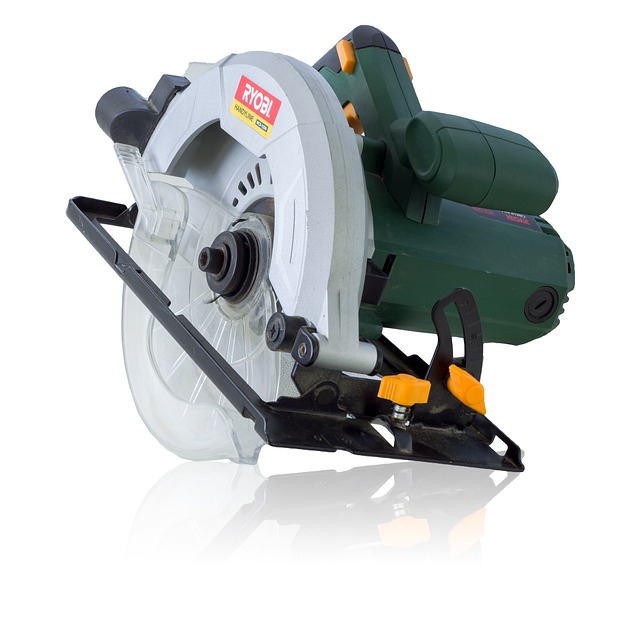
Common Symptoms of Power Drop During Operation
A Ryobi circular saw suffering from power loss will typically show slower blade rotation under load, intermittent stalling, or delayed startup. Even with a full charge indicator, runtime may shorten significantly because the voltage drops faster than expected once current draw increases. These signs point toward either cell degradation or internal resistance buildup within the pack.
Differentiating Between Motor and Battery Issues
Professionals should first test for voltage sag using a multimeter while the saw runs under load. A sharp drop indicates weak cells rather than a motor fault. Conversely, if voltage remains stable but current draw spikes, the motor might be overworking due to a dull blade or excessive friction. Distinguishing between these two scenarios avoids unnecessary part replacements.
The Role of Battery Chemistry in Tool Performance
Battery chemistry defines how efficiently a cordless tool performs under stress. Ryobi’s lithium-ion systems rely on precise cell balancing to maintain consistent discharge rates across varying workloads.
How Lithium-Ion Technology Powers Ryobi Tools
Ryobi’s lithium-ion packs use multiple cylindrical cells arranged in series-parallel configurations to deliver stable voltage and high current output. These cells maintain steady discharge characteristics even under heavy cutting loads but are sensitive to temperature extremes that alter chemical reactions inside each cell. At low temperatures, internal resistance increases; at high temperatures, capacity fades faster.
The Effect of Battery Age and Charge Cycles on Output Power
Every charge cycle slightly reduces total capacity as electrode materials degrade over time. After hundreds of cycles, batteries exhibit higher internal resistance leading to noticeable voltage drops during demanding tasks like cutting dense lumber. When this occurs, even a fully charged pack may fail to deliver enough torque for clean cuts—a clear sign it’s nearing end-of-life performance.
Identifying the Battery Mistakes That Cause Power Loss
Most power complaints trace back to improper battery selection or misuse during charging and storage rather than manufacturing defects.
Using Incompatible or Low-Capacity Batteries
Ryobi offers batteries ranging from 1.5Ah to 6.0Ah. Smaller packs provide portability but limited current delivery, which can starve high-demand tools like circular saws of necessary amperage. Pairing such tools with low-capacity batteries leads to reduced torque stability and shorter runtime because these packs heat up faster and trigger protective cutoffs sooner than larger ones.
Improper Charging Practices That Weaken Battery Cells
Overcharging or deep discharging accelerates lithium-ion wear by stressing electrode materials beyond safe limits. Using non-recommended chargers without thermal monitoring can cause uneven cell balancing or overheating during charge cycles. To preserve health, batteries should cool before recharging and avoid long-term storage when completely full or empty—both conditions promote chemical instability over time.
Environmental Factors Influencing Battery Efficiency
Beyond charging habits, external conditions such as temperature and moisture play critical roles in maintaining consistent energy output from Ryobi battery systems.
Temperature Sensitivity During Operation and Storage
Lithium-ion chemistry operates best between roughly 10°C and 30°C. Below freezing temperatures slow ion movement inside cells, reducing available power; above 40°C accelerates electrolyte breakdown leading to permanent capacity loss. Professionals working outdoors should store spare batteries indoors when not in use and allow them to acclimate before recharging after exposure to extreme cold or heat.
Moisture and Dust Exposure Impact on Electrical Contacts
Dust accumulation or condensation on terminals creates micro-corrosion that restricts current flow between pack and tool connectors. Regular cleaning using dry cloths or compressed air prevents oxidation buildup while maintaining solid electrical contact points critical for efficient energy transfer during operation.
Diagnostic Steps for Professionals Troubleshooting Power Issues
Systematic testing helps isolate whether performance loss originates from the battery pack, charger circuit, or internal tool wiring.
Measuring Voltage Drop Under Load Conditions
Attach a multimeter across battery terminals while running the Ryobi circular saw through dense material. A significant voltage dip confirms degraded cells unable to sustain demand current levels. Stable readings accompanied by sluggish operation suggest mechanical drag within the motor assembly instead.
Evaluating Charger Performance and Calibration Accuracy
Inspect charger outputs against manufacturer-specified voltages using calibrated instruments. Faulty chargers may undercharge cells or fail to balance them evenly across series connections—both conditions reduce total usable capacity despite showing full-charge indicators on LED displays.
Optimizing Battery Use for Consistent Saw Performance
Consistent cutting performance depends on disciplined charging routines and proper matching between task intensity and pack capability.
Implementing Proper Charging Schedules and Rotation Practices
Rotating multiple batteries ensures even cycle wear across all packs rather than exhausting one repeatedly until failure. After heavy sessions, allow each pack adequate cooling before recharging; immediate charging while still warm traps heat inside casing which shortens lifespan significantly over time.
Selecting the Right Battery for High-Demand Applications
For continuous professional workloads such as framing cuts or plywood ripping, higher amp-hour batteries (4Ah–6Ah) deliver sustained current without triggering thermal cutoffs prematurely. Matching amp-hour ratings with job requirements minimizes downtime while preserving both efficiency and safety margins during prolonged use.
Maintenance Strategies to Extend Tool Lifespan
Proper maintenance extends operational reliability far beyond standard warranty periods by preventing small electrical inefficiencies from compounding into larger failures.
Regular Inspection and Cleaning of Electrical Interfaces
Check terminals regularly for debris accumulation or corrosion traces that impede conductivity between components. Applying small amounts of dielectric grease where appropriate protects exposed contacts against humidity-induced oxidation especially in coastal job sites with salty air exposure.
Monitoring Firmware Updates in Smart Chargers or Batteries
Modern Ryobi smart chargers occasionally receive firmware updates improving charge control algorithms for better temperature regulation and cell balancing accuracy. Keeping firmware synchronized across older tools and newer smart packs prevents communication mismatches that could otherwise lead to incomplete charges or early cutoffs during use.
FAQ
Q1: Why does my Ryobi circular saw lose power even with a full battery?
A: Voltage sag from aged cells causes apparent full charges to drop quickly once load increases; replacing worn packs restores normal torque output.
Q2: Can I use non-Ryobi chargers safely?
A: It’s not recommended since third-party chargers might lack thermal sensors needed for safe lithium-ion management leading to premature degradation.
Q3: How should I store batteries during winter?
A: Store partially charged (around 50%) at moderate indoor temperatures away from direct cold exposure; extreme cold thickens electrolytes reducing future performance.
Q4: What’s the ideal amp-hour rating for heavy-duty cutting?
A: Use at least 4Ah packs for continuous cutting tasks; smaller capacities risk overheating under sustained loads typical of professional framing work.
Q5: How often should I clean battery terminals?
A: Inspect monthly if used frequently; wipe contacts gently with dry cloths ensuring no moisture residue remains before reconnecting packs to tools or chargers.