
Is Ryobi Battery Charger the Key to Extending 18 Volt Tool Life
Ryobi 18 Volt Rechargeable Battery With Charger
The Ryobi 18‑volt rechargeable battery with charger forms the backbone of the brand’s One+ system, which powers a wide range of professional and DIY tools. The charger’s architecture directly affects battery life, charge efficiency, and tool performance. In professional environments where uptime matters, pairing the right charger with the correct lithium‑ion pack determines not just runtime but long‑term reliability. Proper charging practices and compatible equipment significantly extend service life while maintaining consistent output power.
The Role of the Ryobi Battery Charger in 18V Tool Systems?
In an 18‑volt ecosystem, the ryobi battery charger is more than a simple power supply—it serves as a control hub that manages how energy enters each cell. Its design philosophy blends electronic precision with chemical awareness to maintain safe and efficient charging cycles.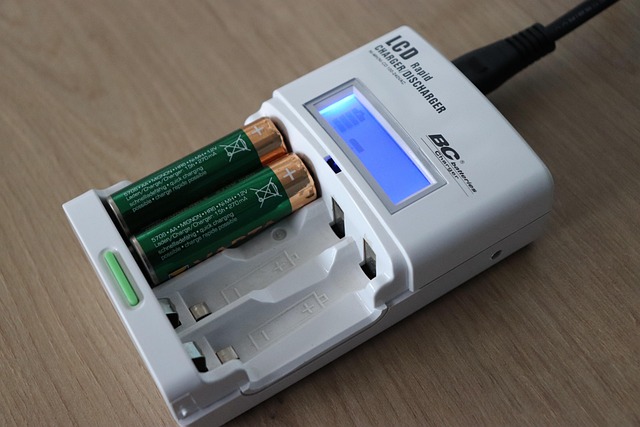
The Relationship Between Charger Technology and Battery Longevity
Charger design directly influences how many full cycles a lithium‑ion pack can endure before its capacity drops noticeably. Intelligent chargers regulate current flow to prevent stress on internal electrodes. By monitoring voltage thresholds, they stop charging once cells reach optimal levels, preventing overcharge damage. Compatibility between the charger and specific battery chemistry is equally critical; mismatched systems can lead to heat buildup or uneven cell wear that shortens lifespan.
How Charging Algorithms Influence Tool Efficiency
Modern ryobi battery chargers use adaptive algorithms that adjust voltage and current dynamically based on the pack’s condition. This process maintains balanced cells across multiple charge sessions, reducing internal resistance that otherwise limits peak power output during heavy tool use. Smart regulation ensures consistent torque delivery from drills or saws even after hundreds of cycles—a practical advantage for tradespeople demanding reliability on site.
Technical Composition of Ryobi 18V Battery Chargers
Behind the plastic housing lies a network of sensors and microcontrollers working in sync with lithium chemistry principles. These components transform alternating current into precisely managed direct current suitable for high‑density cells.
Core Electronic Components and Their Functions
At the heart of every ryobi battery charger is a microcontroller that monitors temperature, voltage, and charge rate in real time. Thermal sensors detect excessive heat during fast charging phases, triggering automatic slowdown or cutoff to protect both charger and pack. LED indicators provide immediate visual feedback—steady lights indicate active charging, while flashing patterns warn of faults such as poor contact or cell imbalance.
Integration with Lithium‑Ion Battery Management Systems (BMS)
Each Ryobi lithium pack contains a built‑in BMS that communicates continuously with the charger. This communication allows precise control over energy input so that no single cell experiences overvoltage or deep discharge conditions. The synchronized operation between BMS and charger extends usable cycles by maintaining chemical stability within each cell group—an essential feature for professionals rotating multiple batteries daily.
Factors Affecting the Lifespan of Ryobi 18V Batteries
Battery longevity depends not only on technology but also on environmental conditions and user behavior during charging and storage periods.
Environmental Conditions During Charging and Storage
Temperature plays a decisive role in lithium‑ion health. Charging below 0 °C or above 40 °C can cause plating or electrolyte breakdown inside cells. Dust accumulation around terminals may increase resistance over time, while humidity accelerates corrosion at contact points. Keeping chargers in well‑ventilated areas helps dissipate residual heat generated during rapid charging sessions.
User Practices That Influence Battery Health
Frequent partial discharges are preferable to running packs completely flat; deep cycling accelerates chemical wear inside electrodes. Using non‑approved chargers risks uneven current distribution across cells, leading to imbalance or premature failure. Periodic calibration—fully charging then discharging under controlled load—helps maintain accurate state‑of‑charge readings displayed by smart tools or indicator LEDs.
Comparing Standard vs. Advanced Ryobi Chargers
Ryobi offers both standard slow chargers and advanced multi‑function models designed for intensive workflows. Each type serves distinct operational needs depending on whether longevity or turnaround speed takes priority.
Differences in Charging Speed and Efficiency
Standard chargers deliver moderate currents that minimize thermal stress but require longer waiting times between uses. Rapid versions cut downtime substantially yet generate higher temperatures that may slightly reduce overall cycle count if used continuously without rest intervals. Balancing these factors is key: frequent users often alternate between quick top‑ups during shifts and slower overnight charges for cooling stability.
Advanced Features in Modern Ryobi Chargers
Recent models incorporate diagnostic circuits capable of detecting deteriorating cells before complete failure occurs, saving users from unexpected tool shutdowns mid‑task. Maintenance modes apply controlled cycling to rejuvenate aging packs by balancing charge distribution across internal cells. Multi‑port configurations enable simultaneous charging of several batteries without electrical interference—a valuable feature for contractors managing fleets of cordless equipment.
Maintenance Strategies for Maximizing Tool Life with Ryobi Chargers
Consistent maintenance routines prevent minor issues from escalating into costly replacements, particularly in environments where dust or vibration are common.
Routine Inspection and Cleaning Procedures
Terminals should be checked regularly for oxidation or debris buildup that might restrict current flow. A soft brush or contact cleaner preserves conductivity at interface points between charger pins and battery contacts. Storing both devices in dry rooms prevents condensation from affecting sensitive electronics inside the housing.
Establishing Optimal Charging Schedules for Professional Use
Professionals often schedule recharges during off‑hours when ambient temperatures drop naturally, allowing gradual cooling periods between cycles. It’s advisable not to place freshly used hot batteries directly onto chargers since elevated core temperatures distort voltage readings. Implementing rotation systems—cycling through multiple packs evenly—distributes wear uniformly across an entire fleet, extending collective service life.
Evaluating Cost‑Benefit Considerations of Ryobi Charging Solutions
The decision to invest in genuine ryobi battery chargers rather than third‑party alternatives involves weighing upfront expense against long‑term operational reliability.
Long‑Term Value of Investing in Genuine Ryobi Chargers
Original equipment models include firmware updates compatible with evolving One+ battery generations, maintaining full functionality as product lines expand. Lower failure rates reduce unplanned downtime costs far exceeding any initial price difference compared with generic options. For professionals relying on consistent performance under tight deadlines, this stability translates directly into sustained productivity levels year after year.
Energy Efficiency and Sustainability Implications
Efficient conversion circuits inside authentic ryobi chargers reduce wasted energy during AC/DC transformation stages, contributing to lower electricity consumption over time. Longer battery lifespan also means fewer discarded packs entering waste streams—a tangible environmental benefit aligned with global sustainability goals outlined by standards such as ISO 14001 on environmental management systems.
FAQ
Q1: Can different Ryobi 18V batteries be charged using one universal charger?
A: Yes, most modern ryobi battery chargers support all One+ 18V lithium packs due to standardized interface design across generations.
Q2: How long does it take to fully charge a depleted 4 Ah pack?
A: A standard charger typically requires around two hours; rapid versions may complete the same task within forty minutes depending on temperature conditions.
Q3: Is it safe to leave batteries on the charger overnight?
A: Intelligent circuitry stops current flow once full charge is reached; however, removing batteries after completion reduces unnecessary heat exposure over extended periods.
Q4: What causes LED lights on the charger to flash red?
A: Flashing red usually indicates temperature extremes or communication faults between pack sensors and controller circuits; allowing cooling often resolves this issue.
Q5: Do frequent short recharges harm lithium batteries?
A: No, partial top‑ups are generally beneficial since they avoid deep discharge cycles that accelerate electrode degradation within lithium chemistry systems.