
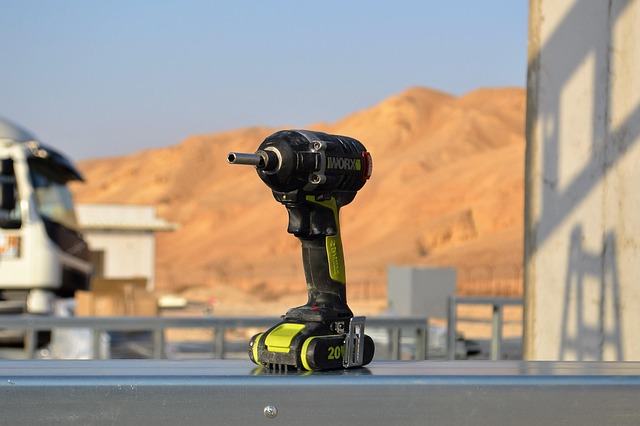
What Makes The Best Impact Drill Driver Essential For Linemen Efficiency
The Best Impact Wrenches for Linemen: A Balance of Power and Ergonomics
In the utility sector, the best impact drill driver is more than a convenience—it’s a necessity. Linemen rely on these tools to deliver consistent torque, reduce fatigue, and maintain precision while working at height or in confined areas. The latest models combine brushless motor efficiency, smart battery management, and ergonomic design to meet the demands of modern fieldwork. Professionals seeking reliability and performance find that investing in a high-quality impact drill driver not only speeds up operations but also protects worker health over time.
Understanding the Role of Impact Drill Drivers in Linemen Operations
Impact drill drivers serve as essential instruments in power distribution and maintenance tasks. Their design allows linemen to perform fastening operations quickly while maintaining safety standards set by organizations such as IEEE and OSHA.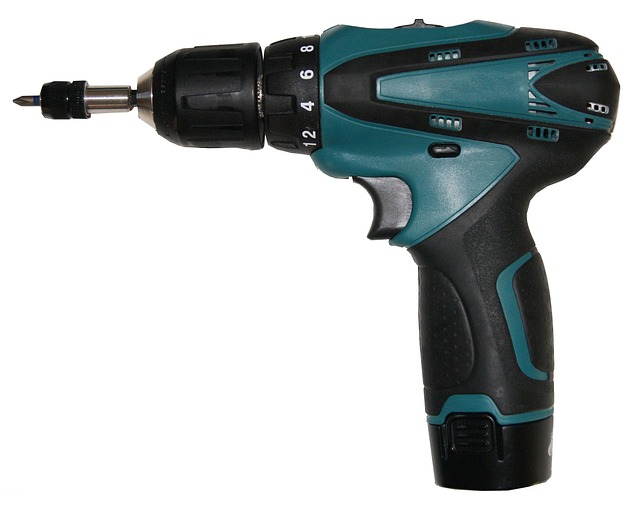
The Function of an Impact Drill Driver in Utility Work
An impact drill driver provides both torque and rotational speed for tightening or loosening bolts on poles, crossarms, and transformers. This dual-action mechanism enables efficient fastening even when dealing with rusted or oversized hardware. Because linemen often repeat these motions hundreds of times per day, the tool’s ability to sustain high torque with minimal recoil significantly reduces strain. It also enhances workflow efficiency during pole installations or line rebuilds where precision and speed are equally critical.
Why Linemen Depend on Impact Tools for Efficiency
Linemen depend on impact tools because they cut down manual effort when working aloft or inside bucket trucks. Consistent torque delivery ensures that every connection meets safety-critical thresholds, minimizing risks associated with under-tightened fasteners. Additionally, faster assembly and disassembly reduce downtime between jobs—a key factor when responding to outages or scheduled maintenance windows.
Key Performance Features That Define a High-Quality Impact Drill Driver
Choosing the best impact drill driver involves evaluating its mechanical performance, energy system, and durability under real-world stress. Each feature contributes directly to operational reliability.
Torque Output and Speed Control
A quality driver offers adjustable torque settings suited for various materials—from aluminum fittings to galvanized steel bolts. Variable speed triggers allow precise control during delicate operations such as grounding connections or panel assembly. Brushless motors have become standard among professional-grade tools because they transfer energy more efficiently while reducing internal wear, extending service life even under continuous use.
Battery Performance and Power Management
For linemen who work far from charging stations, high-capacity lithium-ion batteries are indispensable. Smart battery systems monitor temperature and current flow to prevent overheating while optimizing power output across cycles. Quick-charge technology further supports uninterrupted workflow by cutting recharge times—an advantage during storm restoration shifts when every minute counts.
Durability and Build Quality for Field Conditions
Field conditions demand rugged construction. Weather-sealed housings protect internal components from dust, rain, and debris encountered outdoors. Reinforced casings resist damage from accidental drops common during pole climbing or equipment handling. Anti-corrosion finishes on metal parts also extend tool longevity when exposed to humidity or salt air near coastal grids.
Ergonomics and User Comfort: Enhancing Linemen Productivity
Even the most powerful tool loses value if it causes fatigue or discomfort over long shifts. Ergonomic design plays a decisive role in sustaining productivity throughout demanding workdays.
Weight Distribution and Grip Design
Balanced weight prevents wrist strain during overhead tightening tasks performed from elevated platforms. Non-slip grips molded for gloved hands improve control in wet or cold conditions where dexterity is limited. Compact housing allows easier access around crowded transformer banks or switchgear compartments without compromising leverage.
Vibration Reduction and Noise Control Technologies
Modern impact drivers integrate vibration-damping systems that reduce hand-arm exposure—important for preventing long-term musculoskeletal issues recognized by occupational health studies under ISO 5349 standards. Lower operational noise also improves team communication on active job sites where multiple crews coordinate simultaneously.
Technological Advancements Driving Modern Impact Drill Drivers
Recent innovations have transformed how linemen interact with their equipment. Digital interfaces, smart sensors, and cross-platform compatibility now define top-tier models.
Integration of Smart Features for Precision Work
Digital torque adjustment enables repeatable accuracy across identical fasteners—a requirement in regulated installations like substation busbars. Built-in LED lights illuminate dark enclosures during night repairs, while Bluetooth connectivity allows technicians to log performance data through mobile apps for maintenance tracking or calibration checks.
Compatibility with Other Professional Tools and Accessories
Manufacturers increasingly design interchangeable battery platforms compatible across drills, saws, and crimpers within the same ecosystem. This approach simplifies logistics by reducing spare inventory needs across crews. Universal bit systems further expand versatility so one driver can handle multiple connector types without constant tool changes.
Evaluating Efficiency Gains from Using Advanced Impact Drill Drivers
The adoption of advanced impact drivers has measurable effects on both task duration and workforce well-being—two metrics closely monitored by utilities aiming to improve reliability indices.
Time Savings in Routine Maintenance Tasks
High-speed bolt removal can shorten service time per structure by several minutes—a cumulative gain across hundreds of poles each week. Consistent torque application minimizes rework caused by loose fittings that might otherwise lead to service interruptions or inspection failures later on.
Long-Term Benefits on Workforce Health and Safety
Reduced physical exertion lowers fatigue-related errors that often precede accidents at height. Over time, ergonomic improvements contribute to fewer musculoskeletal complaints among linemen—a benefit reflected in lower compensation claims and improved retention rates within utility teams.
Selecting the Right Impact Drill Driver for Professional Use
Selecting the best impact drill driver requires balancing performance metrics against field practicality. Procurement teams often evaluate multiple models before standardizing fleet purchases.
Factors to Consider When Choosing a Model
Professionals assess torque-to-weight ratio first since it determines usability during extended shifts without sacrificing power output. Compatibility with existing battery systems ensures interchangeability across crews’ toolkits—a cost-saving factor over time. Manufacturer support also matters; responsive service networks, warranty coverage, and spare part availability influence total ownership cost far beyond initial purchase price.
The Importance of Field Testing Before Deployment
Before full-scale rollout, utilities conduct pilot trials simulating real workload conditions such as bolt tensioning on live-line structures or anchor installation in varying weather environments. Feedback gathered from experienced linemen helps refine final selection criteria based on comfort ratings, trigger sensitivity, battery endurance, and resistance to environmental stressors like dust ingress or vibration fatigue.
FAQ
Q1: What makes an impact drill driver different from a standard drill?
A: An impact drill driver combines rotational drilling with percussive force that delivers higher torque output without transferring excessive feedback to the user’s wrist.
Q2: How much torque do professional linemen typically require?
A: Most line applications need between 1500–2500 inch-pounds depending on hardware size; adjustable settings allow safe operation across this range.
Q3: Are brushless motors worth the investment?
A: Yes, brushless motors run cooler, last longer, and maintain consistent speed under load—ideal for continuous outdoor use common in utility work.
Q4: Can one battery type power different tools?
A: Many professional brands now offer unified battery platforms enabling cross-tool compatibility within their product lines.
Q5: How often should an impact driver be serviced?
A: Regular inspection every six months is recommended; heavy-use crews may schedule quarterly checks focusing on brushes (if applicable), bearings, and electrical contacts for optimal reliability.