Why Impact Driver v Drill Matters When Screws Keep Stripping in Tough Materials
Why Your Impact Driver Is Stripping Screws—You’re Not Using the Right Mode
Many tradespeople face screw stripping when using an impact driver, especially in dense materials. The root cause often lies not in tool quality but in mode selection and torque control. An impact driver’s pulsing torque can overpower delicate screws if used without proper adjustment. In contrast, a drill’s steady rotation offers more finesse for light-duty fastening. The solution is to align tool choice and torque delivery with material density. When the right mode is engaged, screws seat cleanly, bits last longer, and both tools perform at their peak.
Understanding the Functional Differences Between an Impact Driver and a Drill
The difference between a drill and an impact driver v drill setup isn’t just about power—it’s about how each transmits force to the fastener. Professionals often misjudge this distinction, leading to stripped screws or damaged bits.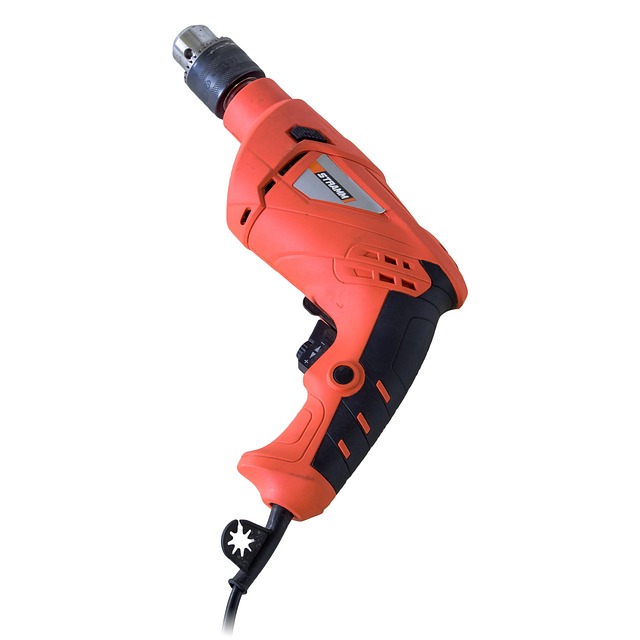
Mechanical Operation and Torque Delivery
A standard drill applies continuous rotational force that’s ideal for precision drilling tasks like pilot holes or countersinking. It keeps torque steady across varying resistance levels. In contrast, an impact driver delivers bursts of rotational energy through rapid impacts, making it highly effective for driving long screws into hardwood or metal framing. Its hammer-and-anvil mechanism converts energy into short torque spikes that reduce cam-out and lower wrist strain during extended use.
Power Transmission and Speed Control
Drills depend on variable-speed triggers to adjust revolutions per minute (RPM), but their torque output remains relatively modest. Impact drivers maintain high torque under load by producing rapid impacts instead of constant rotation. This design allows them to handle tougher materials without stalling. Understanding how each tool’s torque curve behaves helps prevent screw head stripping—especially when working with dense substrates like oak or composite decking.
Why Screw Stripping Occurs in Tough Materials
When fastening into hard materials, screw stripping often results from excess torque or poor bit engagement rather than defective hardware. Knowing how torque interacts with material density is key to preventing damage.
The Role of Torque Mismanagement
An impact driver’s immense torque can easily deform screw heads if applied without moderation. Similarly, incorrect clutch settings on a drill may overdrive screws below the surface, compromising hold strength. Matching torque output to material hardness—by adjusting speed modes or using clutch control—reduces these risks significantly.
Influence of Bit Quality and Fitment
Bit wear plays a major role in cam-out incidents. Worn or mismatched bits lose grip under high load, causing slippage that rounds out screw heads. Precision-fit bits distribute force evenly across the recess pattern, maintaining alignment even under heavy pressure. Hardened steel bits with optimized tip geometry improve bite in dense materials like engineered lumber or concrete anchors.
Selecting the Right Tool for Different Material Densities
Choosing between a drill and impact driver depends on both the task and substrate resistance. Each tool excels within specific operating ranges that balance speed, control, and material protection.
When to Use a Drill Instead of an Impact Driver
A drill is best suited for softwoods, plastics, or thin sheet metal where precision matters more than brute force. Its adjustable clutch enables consistent depth control without damaging surface finishes. Because it lacks impact pulses, it produces cleaner holes with minimal vibration transfer—ideal for cabinetry or finish carpentry.
When an Impact Driver Becomes Essential
Impact drivers shine when fastening into hardwoods, masonry anchors, or structural components requiring high-torque output. Their pulsing mechanism prevents bit slippage while maintaining steady downward pressure on the fastener head. Compact housing allows operators to work efficiently in tight spaces where drills may stall due to resistance buildup.
Optimizing Technique to Prevent Screw Damage
Even with proper tool selection, operator technique determines fastening quality. Torque management begins with trigger discipline and bit alignment throughout each drive cycle.
Adjusting Speed and Pressure During Operation
Gradual trigger engagement avoids sudden torque spikes that cause thread tearing or head stripping. Maintaining consistent axial pressure keeps the bit centered within the screw recess, reducing wobble under load. Starting at low speed during initial engagement improves accuracy before full power application—a practice especially useful when working near finished surfaces.
Leveraging Accessories for Enhanced Control
Accessories can fine-tune performance in high-torque applications by moderating output or improving alignment stability.
Use of Torque-Limiting Attachments
Torque-limiting adapters cap maximum output from impact drivers to prevent overdriving fasteners into brittle materials like MDF or laminate panels. They act as mechanical buffers that disengage once preset thresholds are reached.
Bit Holders and Magnetic Guides
Magnetic bit holders stabilize alignment during rapid driving sequences by holding screws firmly against the bit tip. Guide sleeves further reduce lateral movement that leads to cam-out and premature wear on both bit and screw head surfaces.
Maintenance Practices That Extend Tool Performance and Accuracy
Consistent maintenance preserves accuracy across repeated fastening cycles while minimizing downtime from unexpected failures.
Inspecting Tools and Bits Regularly
Routine inspection reveals early wear patterns such as rounded bit edges or spindle wobble that affect torque consistency. Replacing worn components keeps drive accuracy intact during repetitive assembly work where uniform depth is critical.
Calibration and Battery Management for Cordless Models
Cordless models rely heavily on stable voltage supply; fluctuations can alter delivered torque mid-operation. Periodic calibration ensures predictable performance across varying loads while balanced battery management prevents uneven cell degradation that might reduce total output capacity over time.
Integrating Both Tools Efficiently in Professional Workflows
Professionals rarely rely on one tool alone; combining both enhances efficiency while safeguarding material integrity through staged fastening techniques.
Combining Drill Precision with Impact Driver Power
Pre-drilling pilot holes using a drill reduces stress on screws later driven by an impact driver v drill combination workflow. This two-step process minimizes splitting risk in hardwoods while allowing faster seating during final tightening passes.
Workflow Optimization for Different Fastening Scenarios
Assigning each tool based on material hardness improves productivity rates across mixed-material projects—from framing walls to assembling cabinetry systems. Balanced usage not only extends tool lifespan but also maintains consistent fastening quality project after project.
FAQ
Q1: Why does my impact driver strip screws even with new bits?
A: Excessive torque without proper mode selection often causes stripping; try using a lower-speed setting or add a torque-limiting adapter.
Q2: Can I use my impact driver for drilling holes?
A: Yes, but only with hex-shank bits designed for impacts; regular twist bits may fracture under pulsing loads.
Q3: How do I know if my drill’s clutch setting is correct?
A: Test on scrap material first—the screw should seat flush without sinking below surface level or spinning freely at the end.
Q4: What type of bits last longest in hardwood applications?
A: Hardened steel bits with precision-milled tips provide superior grip retention under heavy torque conditions common in dense woods.
Q5: Should I pre-drill before using an impact driver?
A: For hardwoods or thick composites, yes—pre-drilling relieves internal stress on both fastener threads and surrounding fibers, ensuring cleaner seating without stripping risk.