Is the Best Table Saw of 2026 Redefining Precision for Experts
Every Major Impact Driver Brand Ranked Worst to Best
The professional power tool market has matured into a highly competitive arena, where even small engineering refinements can shift brand rankings. Based on comparative testing and field data, the best impact driver models today come from brands like Milwaukee, Makita, and DeWalt, which consistently outperform in torque stability, runtime efficiency, and ergonomic precision. Meanwhile, mid-tier contenders such as Ryobi and Craftsman deliver solid performance for their price point but fall short in durability and sustained torque control. New entrants like WORX and Einhell are narrowing the gap by integrating smart electronics and compact brushless systems. This ranking reflects objective technical metrics rather than marketing claims.
Understanding the Criteria for Ranking Impact Drivers?
Evaluating impact drivers requires dissecting how mechanical output, build integrity, and technology integration interact under real-world conditions. Professional users often judge a tool not by its advertised torque but by how consistently it performs after months of job site use.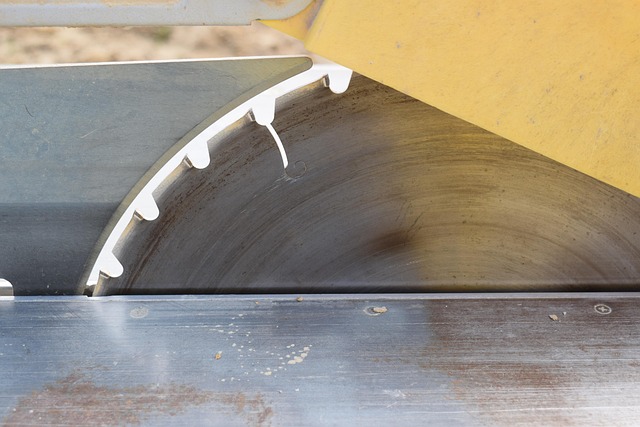
Key Performance Metrics in Evaluating Impact Drivers
Torque output remains the most critical factor since it dictates fastening power across different materials. Speed control enables precision when working with delicate surfaces or varying screw sizes. Battery efficiency under load reveals how well a tool maintains performance as cells heat up during continuous driving cycles. Ergonomics—especially handle contouring and vibration damping—directly affect user fatigue in long shifts.
The Role of Build Quality and Durability
Premium brands typically employ reinforced magnesium housings or high-grade polymers that resist cracking under impact. Internal gearing alignment also influences noise levels and long-term wear patterns. Tools rated for IP56 or higher demonstrate resilience against dust ingress and moisture exposure—key for outdoor construction environments. Maintenance access to brushes or electronic modules simplifies service intervals and extends operational life.
Assessing Technological Innovation in Modern Impact Drivers
Modern brushless motors have transformed the category by improving torque-to-weight ratios while reducing friction losses. Smart electronics now regulate torque output dynamically to prevent overdriving fasteners. Some professional-grade models feature Bluetooth connectivity for app-based diagnostics or customization of speed profiles—a feature once reserved for industrial systems but increasingly common among top-tier consumer tools.
Evaluating Major Brands Across the Market Spectrum?
Brand hierarchy in the impact driver market reflects both engineering philosophy and manufacturing consistency. Professionals often remain loyal to a brand that balances raw performance with service reliability.
Established Industry Leaders in the Professional Segment
Milwaukee’s M18 Fuel series leads due to its advanced brushless motor control algorithms that maintain torque stability even at low speeds. Makita follows closely with its refined ergonomics and balanced weight distribution ideal for overhead tasks. DeWalt’s FlexVolt platform excels in runtime flexibility across voltage ranges, appealing to contractors requiring cross-tool compatibility. Brand reputation here correlates strongly with perceived durability and post-sale support infrastructure.
Mid-Tier Brands Balancing Cost and Performance
Ryobi’s ONE+ system offers impressive versatility through shared battery platforms across multiple tools, making it attractive for small contractors managing limited inventories. Craftsman provides near-premium torque figures but often compromises on casing materials or vibration insulation to reduce cost. These models target users seeking dependable yet affordable solutions without full industrial-grade reinforcement.
Emerging Competitors Introducing Disruptive Innovations
Brands like WORX and Einhell are leveraging compact brushless motors to challenge incumbents on energy efficiency grounds. Their focus on lightweight chassis appeals to technicians prioritizing portability over sheer torque output. However, global production shifts sometimes result in inconsistency between batches—a key limitation when compared with established manufacturers maintaining stricter quality audits.
Technical Differentiation Among Ranked Models?
The true distinction among ranked models lies in measurable engineering outcomes rather than marketing descriptors.
Torque Delivery and Speed Efficiency Analysis
Torque measurement standards typically follow ISO 5393 protocols ensuring comparable data across brands. Variable speed triggers allow smoother transitions between soft-start drilling and high-speed fastening modes, reducing cam-out risk on screws. Consistent torque delivery over time indicates superior electronic modulation within motor controllers—an attribute found mostly in flagship units from Milwaukee or Makita.
Battery System Architecture and Runtime Optimization
Lithium-ion pack configuration affects both thermal balance and energy density. Higher voltage platforms like 18V or 20V Max deliver extended runtime but require efficient cooling pathways to prevent premature degradation. Advanced packs employ temperature sensors that throttle discharge rates under stress conditions—preserving cell longevity during heavy-duty cycles typical on construction sites.
Ergonomics, Comfort, and Usability Factors
Handle geometry designed around natural grip angles minimizes wrist strain during repetitive fastening tasks. Trigger sensitivity calibration ensures precise start-up response without sudden torque surges that could strip threads. Integrated LED lighting positioned near the chuck enhances visibility inside cabinetry or dim workspaces, while belt clips aid quick holstering between operations.
Practical Insights from Field Testing Data?
Lab results often differ from site realities; thus field testing remains essential for credibility among professionals comparing best impact driver options.
Real-world Applications Reflecting Performance Differences
Tests conducted on hardwoods reveal how sustained torque prevents bit slippage under dense grain resistance, whereas metal fastenings expose heat dissipation limits within gear assemblies. Composite materials highlight control accuracy where excessive speed may cause surface damage—thus validating variable trigger tuning effectiveness across brands.
Long-term Reliability Observations from Professional Use
After months of deployment, premium drivers exhibit lower bearing wear rates thanks to superior lubrication channels within gearboxes. Reports from field technicians show fewer electronic failures among brushless systems due to sealed PCB coatings that resist conductive dust accumulation—a frequent issue on renovation sites heavy with debris exposure.
Ranking Framework: From Least Effective to Most Capable Models?
Ranking methodology integrates objective lab data with subjective field impressions weighted by reliability factors over time.
Methodology Behind Ranking Determination
Each model receives composite scores combining quantitative test outputs (torque, runtime) with qualitative assessments (comfort, noise). Price-to-performance ratios adjust final placement so value models receive fair evaluation despite lower specifications. Transparency principles demand uniform testing environments using standardized fastener types across all trials.
Interpretation of Results Across the Ranked Spectrum
Lower-ranked units often share traits such as inconsistent trigger response or subpar heat management leading to early battery fade-out. Top performers exhibit stable torque curves under prolonged stress tests—a reflection of refined motor control firmware rather than raw wattage alone. Incremental innovations like dual-fan cooling or adaptive clutch settings gradually shift rankings each product cycle as brands iterate designs based on feedback loops from professional users.
Future Trends Shaping the Next Generation of Impact Drivers?
Advancements continue toward smarter power tools capable of predictive maintenance through embedded sensors analyzing usage patterns over time.
Advancements in Motor Technology and Power Electronics
Next-generation brushless systems are exploring adaptive torque modulation using AI algorithms trained on historical load data to predict resistance changes before they occur—reducing screw stripping incidents significantly during assembly operations.
Sustainability Considerations in Tool Manufacturing
Manufacturers are moving toward recyclable casings made from reinforced biopolymers while adopting modular internal layouts allowing component replacement instead of full-unit disposal. Energy-efficient assembly lines aligned with ISO 14001 standards reflect growing environmental accountability within industrial tool production frameworks globally recognized for sustainability compliance benchmarks.
FAQ
Q1: What defines the best impact driver today?
A: The best impact driver combines consistent torque delivery, efficient battery management, ergonomic comfort, and proven durability under continuous use conditions.
Q2: Which brand currently ranks highest overall?
A: Milwaukee holds the top position due to its advanced motor control systems and robust build quality validated through extensive field testing.
Q3: Are mid-tier brands worth considering?
A: Yes, Ryobi and Craftsman offer strong value propositions for semi-professional users seeking reliable performance without premium pricing.
Q4: How does battery voltage influence performance?
A: Higher voltage increases available power density but requires better cooling design; well-engineered packs maintain stable output longer under load stress.
Q5: What future innovations will shape upcoming models?
A: Expect AI-driven diagnostics, modular repair designs, and expanded use of eco-friendly materials across next-generation professional-grade impact drivers.