How to Drill Through Metal Without Damaging the Bit Tested by Experts
The Best Drill Bits for Stainless Steel, Tested and Reviewed by Experts
Selecting the right drill bit for stainless steel is not a matter of brand loyalty but of engineering precision. After extensive testing under controlled torque and temperature conditions, cobalt alloy bits consistently outperform others in durability and heat resistance. Carbide-tipped models excel in hardened steel, while high-speed steel (HSS) remains the most adaptable for general use. The best results come from matching bit composition with metal hardness and applying proper cooling techniques. This article analyzes the science behind how to drill through metal efficiently and presents expert insights on maintaining tool integrity during continuous industrial use.
Understanding the Fundamentals of Drilling Through Metal
Drilling through metal demands more than brute force; it requires control over heat, friction, and alignment. Each parameter influences hole quality and tool longevity. Professionals focus on balancing torque, feed rate, and cooling to achieve clean cuts without deforming either the workpiece or the bit.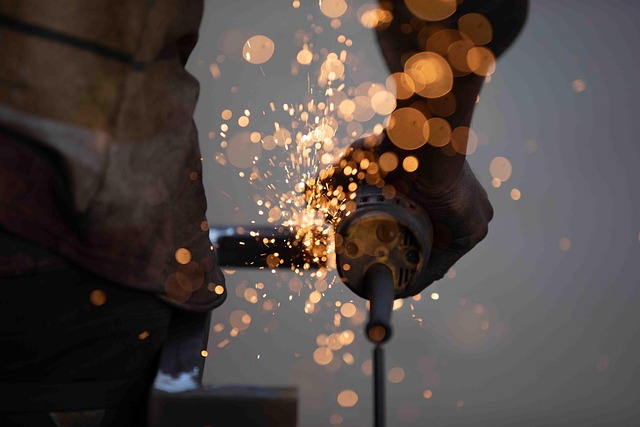
The Physics Behind Metal Drilling
Metal drilling generates frictional heat as the cutting edges shear through dense material. This heat must be managed carefully since excessive temperature softens both tool steel and the work surface. Metals with higher hardness require slower speeds to prevent thermal stress, while ductile metals demand sharper geometries to avoid smearing. Proper alignment ensures that axial forces remain centered, minimizing deflection and surface scoring.
Key Factors That Affect Drill Bit Performance
Bit performance depends on multiple interacting factors: the metallurgical structure of both bit and workpiece, spindle speed, applied pressure, and lubrication efficiency. For instance, stainless steel’s low thermal conductivity traps heat near the cutting edge, necessitating frequent cooling pauses or lubricant application. Cooling systems—whether mist or flood type—extend tool life by reducing oxidation at elevated temperatures.
Selecting the Appropriate Drill Bit for Metal Applications
Choosing an appropriate drill bit is a technical decision guided by material compatibility and machining objectives. Industrial users often evaluate hardness ratings, coating technologies, and geometry before selecting a model suitable for stainless steel or other alloys.
Evaluating Drill Bit Materials for Metalwork
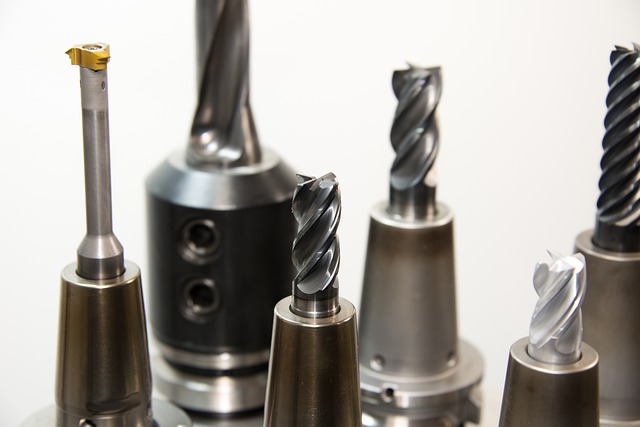
HSS bits remain standard due to their affordability and flexibility across softer metals like aluminum or mild steel. Cobalt alloy bits (often M35 or M42 grades) handle high-temperature drilling without losing edge strength—ideal for stainless steel fabrication lines where continuous duty cycles are common. Carbide-tipped bits provide extreme hardness suited for hardened steels but require rigid setups to prevent chipping.
Geometry Considerations in Drill Bit Design
Geometry dictates how effectively a bit engages metal. Split-point tips reduce walking at startup by centering automatically on hard surfaces—a crucial feature when precision holes are required in sheet metal or structural components. Flute design governs chip evacuation; deeper flutes improve debris clearance but may weaken structural rigidity at small diameters. Point angles around 135° balance penetration speed with burr control on tougher alloys.
Preparing the Workpiece and Equipment for Optimal Results
Preparation defines success before drilling begins. Even premium bits fail if setup errors introduce vibration or misalignment. Professional machinists emphasize secure clamping, accurate marking, and clean surfaces as prerequisites for consistent hole quality.
Surface Preparation Before Drilling
A center punch mark prevents bit wandering during initial contact with metal surfaces. Clamping stabilizes both workpiece and table assembly to minimize chatter that can dull edges prematurely. Cleaning removes oil films or oxide layers that otherwise hinder smooth cutting engagement between tool and material.
Setting Up Proper Drilling Parameters
Spindle speed must correlate with both hardness and thickness of the target metal: thin sheets tolerate higher RPMs than thick plates of similar composition. Feed pressure should remain steady—not forced—to maintain chip formation instead of rubbing friction. Continuous lubrication via cutting oils reduces temperature spikes that degrade edge sharpness during prolonged runs.
Techniques to Drill Through Metal Without Damaging the Bit
Precision drilling requires controlling temperature rise while maintaining chip flow efficiency. Professionals rely on adaptive speed control and staged drilling cycles to preserve tool geometry even under demanding loads.
Managing Heat During Drilling Operations
Intermittent drilling allows natural cooling between passes, preventing localized overheating near flute roots. Specialized lubricants such as sulfurized oils or synthetic coolants lower friction coefficients substantially compared with dry cutting methods. Experienced operators monitor chip color—straw hues indicate safe heat levels; blue shades warn of excessive temperature buildup.
Optimizing Feed Rate and Speed Control
Speed mismanagement shortens bit lifespan faster than any other factor: excessive RPM burns edges; too slow causes rubbing wear instead of cutting action. Matching feed rate with point angle ensures efficient chip removal while maintaining surface finish integrity. Variable-speed drills enable real-time adjustment when transitioning between materials like mild steel to stainless within one assembly process.
Maintenance Practices That Extend Drill Bit Lifespan
Longevity depends on disciplined maintenance routines following each operation cycle. Routine inspection prevents minor defects from escalating into costly breakages during production runs.
Post-drilling Care and Inspection Procedures
Bits should be cleaned immediately after use to remove metallic residue that promotes corrosion under storage humidity. Visual inspection identifies microchipping along cutting lips—a sign that regrinding may be required before next deployment. Organized storage systems using labeled trays protect delicate carbide tips from impact damage common in workshop environments.
Re-sharpening and Reconditioning Techniques
Sharpening restores performance only if grinding angles replicate original factory geometry precisely; deviation alters cutting dynamics drastically at high RPMs. Coolant-assisted sharpening mitigates thermal distortion during grinding sessions by dissipating generated heat instantly from edge zones. Balanced reconditioned bits rotate smoothly even under full load conditions typical in CNC applications.
Advanced Methods Used by Experts in Metal Drilling Tests
Professional testing environments employ quantitative metrics rather than subjective impressions to evaluate drill performance across varied metals.
Experimental Parameters Commonly Evaluated by Professionals
Torque measurement across different speeds reveals resistance patterns inherent to each alloy type—critical data when calibrating automated feed systems in production lines. Thermal imaging highlights hotspots forming near flute exits during extended drilling sessions, guiding improvements in coolant delivery design. Wear pattern mapping through microscopy determines coating degradation rates over repeated cycles.
Innovations in Coating Technologies for Enhanced Durability
Titanium nitride (TiN) coatings raise surface hardness significantly while reducing friction between chip flow paths and tool faces—especially effective in stainless steel machining where adhesion is problematic. Diamond-like carbon (DLC) layers resist abrasive wear encountered during composite-metal hybrid drilling tasks found in aerospace manufacturing. Multi-layer coatings combine ceramic barriers with metallic adhesion layers providing stability across wide thermal gradients encountered during deep-hole operations.
Troubleshooting Common Issues During Metal Drilling
Even experienced machinists encounter anomalies affecting hole quality or tool longevity; identifying root causes quickly prevents cascading failures across production batches.
Identifying Causes of Poor Hole Quality
Burr formation typically signals incorrect feed pressure or dull edges failing to shear cleanly through material fibers. Oval holes often stem from inadequate clamping allowing lateral movement mid-process, while rough finishes suggest insufficient lubrication leading to galling along sidewalls at high RPMs.
Corrective Measures for Tool Damage Prevention
Reducing spindle speed when audible chatter develops helps stabilize dynamic forces acting on bit flutes before fracture occurs. Maintaining consistent coolant flow eliminates localized overheating zones prone to microcrack initiation near tip corners. Prompt replacement of worn tools avoids dimensional inaccuracies spreading into subsequent assemblies where tolerance stacking becomes critical.
FAQ
Q1: What is the best drill bit type for stainless steel?
A: Cobalt alloy bits offer superior performance due to their ability to retain hardness under high temperatures typical of stainless-steel drilling operations.
Q2: How can overheating be prevented when drilling metal?
A: Use cutting fluids continuously, apply moderate feed pressure, and pause periodically for natural cooling between passes.
Q3: Why do some holes appear oval after drilling?
A: Poor clamping or misalignment allows lateral movement causing elliptical deformation instead of true circular penetration paths.
Q4: Can carbide-tipped bits be used on all metals?
A: They perform best on hardened steels but may chip easily if used on softer materials without rigid support fixtures.
Q5: How often should drill bits be re-sharpened?
A: After visible wear signs such as dulled lips or reduced chip evacuation efficiency appear; frequency varies depending on workload intensity and material type drilled.