
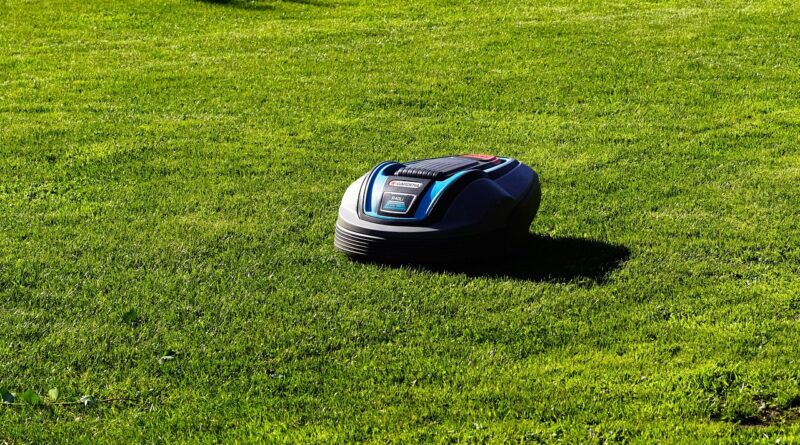
Worx mower reviews for cordless and Landroid buyers
Bottom line for Worx mower buyers
For Worx mower buyers, the main pattern is clear: the brand is strongest for homeowners who want compact battery mowers, Power Share battery compatibility, or app-connected robotic mowing. It is not the best match for commercial crews or for lawns that are routinely tall, wet, and heavy. As of August 28, 2026, Worx U.S. listings include compact 20V and 40V walk-behind mowers, wider 21-inch cordless models, self-propelled Nitro options, boundary-wire Landroid robots, and newer Vision or Vision Cloud robots. The right choice is not simply the largest specification on paper. It is the model that fits your deck-width needs, battery capacity, terrain, storage space, and tolerance for setup. For more tool comparisons, visit our Reviews section.
What Worx does well as a mower brand
Worx is built around the Power Share battery ecosystem. That matters because the same battery platform is promoted across many Worx lawn, garden, lifestyle, and power tools. If you already own Worx batteries, that can make mower ownership simpler. If you are starting from zero, the battery system is still useful, but the mower should be judged first on how well it cuts and handles your lawn, not only on how it fits a tool collection.
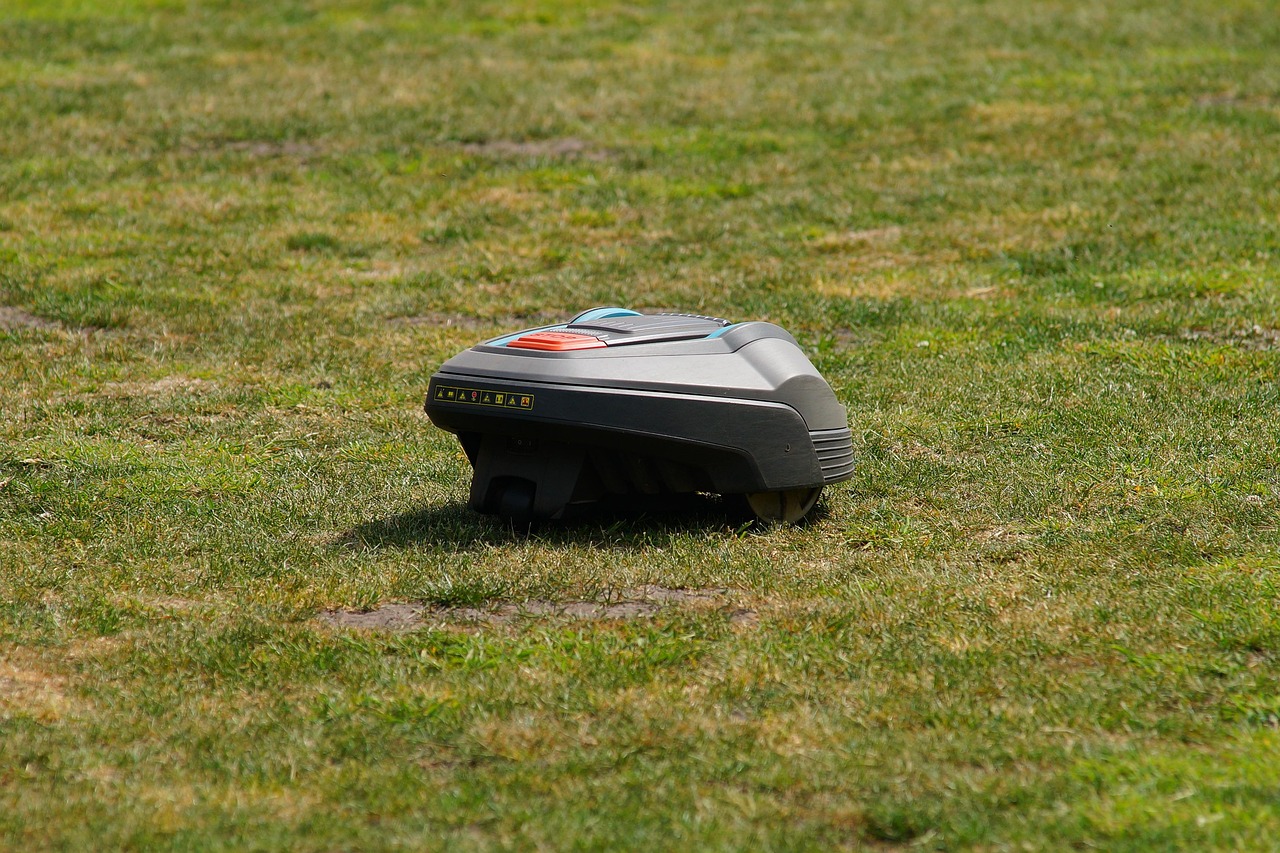
The range also covers more lawn-care styles than many shoppers expect. Some Worx mowers are conventional push mowers for small yards. Others are 21-inch walk-behind models intended to reduce passes on a larger lawn. The Landroid line sits in a different category: it is designed for frequent maintenance cuts rather than weekly heavy mowing. That makes direct comparisons easy to misunderstand. A 21-inch cordless mower and a Landroid robot both cut grass, but they solve different problems.
- Good fit: small to medium residential lawns, homeowners already using Worx batteries, buyers who want low-maintenance electric equipment, and users who value compact storage.
- Possible mismatch: large lawns with thick seasonal growth, rough terrain that needs higher torque, users who dislike app setup, and anyone expecting robotic mowing to be maintenance-free.
- Important caveat: manufacturer acreage and runtime claims depend on conditions. Tall grass, wet grass, slopes, self-propel use, and frequent bagging can reduce usable runtime.
Quick comparison of current Worx mower options
The table below summarizes notable Worx mower families and models shown in U.S. product information as of August 28, 2026. Availability, pricing, and battery bundles can change, so compare model numbers and included batteries before buying.
| Model or family | Key listed specifications | Best fit | Main limitation |
|---|---|---|---|
| WG733 20V 14-inch brushless mower | 14 in. deck, 13 in. cutting diameter, one 20V 4.0Ah battery, about 20.19 lb bare, 1 to 3 in. cutting height. | Very small lawns, townhomes, light maintenance cuts, and buyers prioritizing low weight. | Small deck and single-battery setup make it a poor match for large or overgrown lawns. |
| WG745 40V 17-inch brushless mower | 17 in. deck, 16 in. cutting diameter, two 20V 4.0Ah batteries, about 34.6 lb bare, 1.5 to 4 in. cutting height, listed for up to 1/8 acre. | Small suburban lawns where a wider cut than the WG733 is useful. | Still a compact push mower; frequent thick grass may require slower passes or more battery planning. |
| WG752 40V 21-inch brushless mower | 21 in. deck, 20 in. cutting width, two 20V 5.0Ah batteries, 3-in-1 cutting, polymer deck, about 56 lb with batteries, listed for up to 1/4 acre in 50 minutes. | Homeowners who want a wider cut without self-propelled drive. | Push-only design can feel tiring on slopes or rough ground. |
| WP773 Nitro 40V 21-inch self-propelled mower | 21 in. deck, 20 in. cutting diameter, two 20V 5.0Ah batteries, rear-wheel self-propel, metal deck, 2-bushel bag, 1.5 to 4 in. cutting height. | Medium lawns, slopes, and users who want reduced pushing effort. | Heavier than compact models, and self-propel drive uses some battery energy. |
| WP775 Nitro 40V 21-inch self-propelled dual-blade mower | Similar 21 in. self-propelled platform with dual cutting blades, 2-bushel bag, two 20V 5.0Ah batteries, and 1.5 to 4 in. cutting height. | Buyers prioritizing mulching and bagging performance within Worx cordless options. | Higher complexity and cost only make sense if the lawn benefits from the dual-blade setup. |
| Landroid S, M, and L boundary-wire robots | WR165, WR147, and WR155 cover listed areas from 1/8 to 1/2 acre, with 7 to 8 in. cutting widths and 1.5 to 3.5 in. cutting height. | Hands-off routine mowing on lawns where boundary wire installation is acceptable. | Boundary wire setup and edge cases can take patience, especially on complex lawns. |
| Landroid Vision and Vision Cloud robots | Boundary-free or RTK Cloud guided robotic models, with examples such as WR310.1 for 1/4 acre and WR320.1 for 1/2 acre. Vision Cloud listings show 1.57 to 3.54 in. cutting height and 8.7 in. cutting width. | Owners who want less wire installation and are willing to manage app, mapping, and coverage requirements. | Higher cost and more technology variables; coverage, lawn edges, and obstacles matter more than on a push mower. |
Cordless walk-behind mower reviews
WG733 and WG745 for small lawns
The WG733 is the light-duty option in this group. Its 20V platform, 14-inch deck, and roughly 20 lb bare weight make it appealing for tight storage, small gates, and users who do not want to handle a heavy mower. The trade-off is just as clear: a 13-inch cutting diameter means more passes, and the 1 to 3 inch height range is not as flexible as the taller settings on some 40V models.
The WG745 is a better middle ground for many small residential lawns. It keeps the compact feel but moves to a 40V setup using two 20V batteries, a 17-inch deck, and a taller 1.5 to 4 inch cutting range. Worx lists it for up to 1/8 acre, which is most realistic when the lawn is maintained regularly. If your grass often gets ahead of you, a small mower may still finish the job, but it will require slower walking, more overlap, and closer attention to battery state.
WG752 for a wider cut without self-propel
The WG752 is where Worx becomes more practical for a medium residential lawn. Its 21-inch deck and 20-inch cutting width reduce the number of passes compared with the 14-inch and 17-inch models. It also uses two 5.0Ah batteries and supports bagging, mulching, and rear discharge. For buyers who prefer fewer moving parts and do not need self-propelled drive, this is one of the more logical Worx cordless formats.
The catch is weight and terrain. At about 56 lb with batteries, the WG752 is not a featherweight, and it is still a push mower. On a flat lawn, that may be fine. On a sloped or uneven lawn, the effort can become the deciding factor. Independent mower buying guidance, including Consumer Reports guidance for battery mowers, often treats propulsion, deck size, runtime, and cut quality as linked factors rather than isolated features. That is the right way to evaluate the WG752.
WP773 and WP775 for users who need self-propelled drive
The WP773 and WP775 are the Worx options to consider when pushing effort matters. Both are 40V Nitro self-propelled models using two 20V 5.0Ah Power Share PRO batteries. The WP773 lists a metal deck, rear-wheel self-propel drive, 3-in-1 cutting, LED lights, 1.5 to 4 inch cutting height, and a 2-bushel collection bag. The WP775 adds a dual-blade cutting system that Worx positions for improved cutting, mulching, and bagging.
The self-propelled models are not automatically the right choice for every buyer. They are heavier, and the drive system draws energy. For slopes, larger open areas, and users who dislike pushing, however, self-propelled control can matter more than a small runtime advantage. If choosing between the WP773 and WP775, the dual-blade WP775 makes more sense when mulching quality and bagging efficiency are priorities. If you mostly side-discharge or mow frequently before grass gets tall, the simpler WP773 may be easier to justify.
One operational detail is worth stressing: Worx 40V Power Share mowers use two 20V batteries together. The batteries should be charged and matched in amp-hour rating for the mower to deliver its expected performance. Treat spare batteries as part of the buying decision if your lawn approaches the top of the listed area range.
Landroid robot mower reviews
Boundary-wire Landroid models
The boundary-wire Landroid models are best understood as maintenance mowers. They are not built to replace a neglected weekly cut where several inches of growth must be knocked down. Instead, they trim small amounts frequently, return to charge, and keep the lawn within a set area. The S, M, and L naming broadly corresponds to lawn size, with listed capacities from 1/8 acre to 1/2 acre.
The biggest advantage is time. Once installed and tuned, a robot mower can reduce the need for routine push mowing. The biggest drawback is setup. Boundary wire installation can be the hardest part, and complex beds, narrow corridors, uneven edges, exposed roots, and tight transitions can require adjustments. Owner feedback published around Landroid models commonly praises convenience after setup but also points to boundary work and edge behavior as areas that require patience. See also: Tool Categories.
Vision and Vision Cloud models
Worx announced Landroid Vision Cloud on January 6, 2026, adding RTK Cloud positioning to the existing camera-based Vision concept. Current Vision Cloud listings describe satellite-guided mowing, camera assistance, V-SLAM navigation, app scheduling, multi-zone management, and 1.57 to 3.54 inch cutting height. The WR310.1 is listed for 1/4 acre, while the WR320.1 is listed for 1/2 acre. Four-wheel-drive Vision Cloud models list steeper slope capability than the two-wheel-drive versions.
This technology reduces or removes the boundary-wire problem, but it does not remove all setup questions. A robotic mower still needs clear lawn boundaries, suitable charging-station placement, obstacle management, and a yard layout it can interpret reliably. RTK Cloud models also make coverage and address compatibility more important. Buyers should treat the coverage check and return policy as practical parts of the purchase, not afterthoughts.
Strengths and limits that show up across the range
| Review point | Why it matters | Buyer takeaway |
|---|---|---|
| Battery ecosystem | Power Share compatibility can make ownership easier if you already use Worx tools. | Check included batteries, charger type, and amp-hour rating before comparing prices. |
| Compact storage | Many Worx mowers emphasize folding or stand-up storage. | Useful for garages, sheds, and townhomes with limited space. |
| Acreage claims | Listed area ratings assume favorable conditions and regular mowing. | Buy one size up or plan spare batteries if grass is thick, wet, or sloped. |
| Robotic mowing | Landroid can reduce routine labor but needs setup, cleaning, blade changes, and occasional rescue. | Choose a robot only if you are comfortable with tuning and app-based control. |
| Electric transition | The EPA regulates emissions from small spark-ignition equipment, and California rules pushed most new small off-road engines sold there toward zero-emission requirements beginning with model year 2024. | Battery mowers are increasingly relevant, but local rules should not replace a yard-specific performance check. |
How to choose the right Worx mower
- Start with lawn size, not voltage. A tiny lawn may be better served by the WG733 than by a heavier 21-inch mower. A quarter-acre lawn is usually a better match for a 21-inch deck or a properly sized robot.
- Factor in terrain. Flat lawns favor push models. Sloped lawns favor self-propelled models or, for robotic mowing, a model with adequate slope rating and traction.
- Decide whether you want mowing sessions or daily automation. A cordless mower gives direct control and predictable cleanup. A Landroid shifts the work toward setup, scheduling, and occasional troubleshooting.
- Compare batteries carefully. A mower bundled with larger batteries may cost more upfront but reduce frustration later. Smaller batteries can work well on small lawns and feel inadequate on dense grass.
- Check cutting height against your grass habits. If you prefer a taller cut, avoid models with a lower maximum height. If you mow very short, make sure the minimum height suits your lawn without scalping uneven areas.
Verdict on Worx mowers
Worx mowers are a sensible fit for residential users who value cordless convenience, moderate weight, compact storage, and battery sharing. The compact models are easy to live with, but they should not be oversold for large lawns. The 21-inch models are more capable and better suited to medium yards, especially when self-propelled drive is included. Landroid robots are appealing for homeowners who want to stop planning regular mowing sessions, but they reward patience and careful setup.
- Choose WG733 for the smallest lawns and easiest handling.
- Choose WG745 when you want compact size but a more useful 40V setup and taller cutting range.
- Choose WG752 if you want a wider 21-inch cut and do not need self-propelled drive.
- Choose WP773 if slopes or user comfort make self-propelled drive important.
- Choose WP775 if dual-blade cutting is worth the additional cost for your mulching and bagging needs.
- Choose Landroid only if your lawn layout, setup tolerance, and expectations match robotic mowing.
The safest buying rule is simple: buy for your worst normal mowing day, not your easiest one. If the mower can handle warm-season growth, damp patches, slopes, and your usual mowing delay, it will feel far better than a model chosen only by price or headline voltage.
Frequently asked questions
Can a Worx mower handle a half-acre lawn?
Some Worx robotic models and larger cordless listings are positioned around half-acre use, but the answer depends on grass density, slopes, mowing frequency, and battery planning. For a half-acre walk-behind setup, look at a 21-inch self-propelled model and consider spare batteries. For automated maintenance, compare Landroid L or Vision Cloud half-acre models carefully against your lawn layout.
Can a Worx 40V mower run on one 20V battery?
No. Worx 40V Power Share mowers that use the dual-battery system require two 20V batteries installed together. For best performance, use two fully charged batteries with the same amp-hour rating.
Is a Landroid robot better than a cordless push mower?
It is better only for the right use case. A Landroid is designed for frequent automated trimming and time savings after setup. A cordless push or self-propelled mower is better when you want direct control, fast cleanup after growth spurts, or fewer technology variables.
Are Worx batteries interchangeable across mowers and tools?
Many Worx tools use the Power Share system, but compatibility still depends on voltage configuration and battery capacity. A 40V mower generally uses two 20V batteries together, while smaller 20V tools may use one battery.
Should you replace a gas mower with a Worx mower?
For many small and medium residential lawns, yes, a Worx cordless mower can be a practical replacement for gas. For commercial use, very large lawns, or routinely heavy cutting, compare runtime, torque, deck durability, and service needs before switching.