
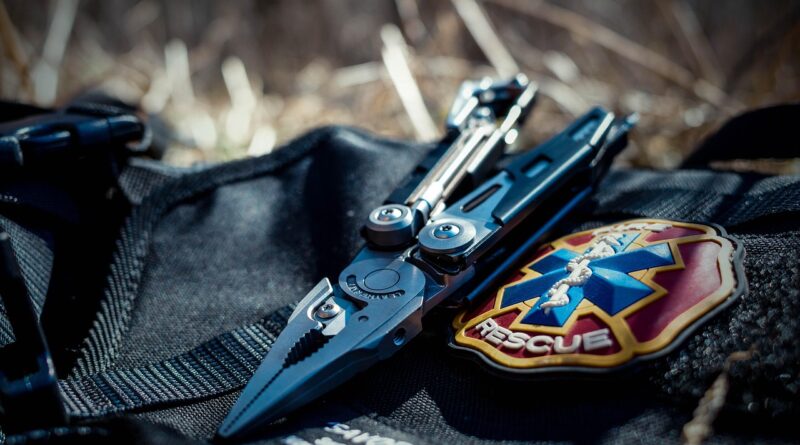
Multi tool reviews guide for choosing an oscillating tool in 2026
Good multi tool reviews should do more than name a single winner. The right oscillating multi-tool depends on the materials you cut most often, the battery platform you already own, the tool’s vibration control, and whether its blade system supports the accessories you will actually use. A homeowner may be well served by a compact cordless model or a value corded tool. For remodelers, flooring installers, and punch-list work, speed under load, tool-free blade changes, dust collection, and accessory cost usually matter more than headline power claims. This guide explains how to compare reviews without relying on unverified rankings, so you can choose a multi-tool that fits the work instead of chasing a generic recommendation. For more buying guides, visit our Reviews section.
What multi tool reviews should answer first
An oscillating multi-tool is useful because it handles awkward cutting and finishing jobs that larger saws, grinders, or sanders often cannot manage cleanly. Common tasks include trimming door casing, plunge-cutting drywall, cutting nail-embedded wood, scraping adhesive, sanding corners, removing grout, and making flush cuts near finished surfaces.

That versatility also makes reviews easy to misread. A tool that performs well on quick drywall notches may feel less comfortable during long sanding sessions. A fast cutter can still be tiring if vibration is high. A bargain tool may cost more over time if its blades are proprietary, hard to source, or not durable enough for metal and demolition work.
The first question is not “Which multi-tool is best?” It is “Which tool matches the work pattern?” A useful review should identify the test materials, the blade used, the battery or corded setup, and how long the tool was operated. Without those details, cut-speed claims and comfort impressions are difficult to compare.
The features that affect real-world performance
Most shoppers notice voltage, amperage, oscillations per minute, and kit price. Those details matter, but they do not tell the whole story. Oscillating tools work as a system: motor, gearbox, blade interface, accessory quality, vibration isolation, and the user’s control of feed pressure all affect the result.
| Feature | Why it matters | What to check in reviews |
|---|---|---|
| Motor and speed control | Helps maintain cutting action under load and lets users slow the tool for delicate materials. | Look for cutting tests in wood, metal, drywall, and grout rather than free-speed numbers only. |
| Oscillation angle | A wider angle can cut aggressively, while a narrower feel may suit precision work. | Check whether the reviewer discusses control, blade wandering, and finish quality. |
| Vibration control | Lower vibration reduces fatigue and can improve accuracy during long cuts. | Trust reviews that describe prolonged use, not only short plunge cuts. |
| Blade change system | Tool-free changes save time when switching between cutting, scraping, and sanding. | Check whether the tool releases hot blades safely and whether adapters are needed. |
| Accessory ecosystem | Blades are consumables, and poor compatibility can raise ownership cost. | Confirm availability of wood, metal, carbide, grout, scraper, and sanding accessories. |
Cordless versus corded is still a practical choice
Most current buying discussions focus on cordless oscillating tools, which makes sense for remodelers moving between rooms, ladders, crawlspaces, and exterior trim. A cordless multi-tool is easy to grab for small cuts, especially when it shares batteries with a drill, impact driver, or circular saw.
Corded models still deserve attention in multi tool reviews. A corded tool can be a strong value for shop use, occasional home repairs, and longer sanding or scraping sessions where battery changes would interrupt the work. Corded tools also remove questions about battery age, charger availability, and runtime.
The buying logic is straightforward. If you already own batteries in a major platform and expect frequent use, a bare cordless tool may be economical. If you need a tool for occasional trim cuts, grout repair, or workshop tasks near an outlet, a corded model may deliver enough performance for less money. For professional users, the decision often depends less on corded versus cordless and more on vibration control, blade speed, ergonomics, and accessory support.
Blade interface and accessory compatibility matter more than many buyers expect
The blade system is one of the most important details in oscillating multi-tool ownership. Bosch and FEIN documentation describes Starlock as a three-dimensional accessory interface, with Starlock, StarlockPlus, and StarlockMax levels used across different tool and accessory classes. Other brands use open-back or universal-style accessory systems, and many accessories are marketed for broad compatibility.
The issue is that “universal” does not always mean every blade fits every tool in every direction. Some tools accept adapters. Some accessories fit older OIS-style mounts. Some Starlock accessories fit only matching or higher Starlock classes. Manufacturer compatibility charts are more reliable than package language alone.
For buyers, this has two practical consequences. First, check blade availability before choosing the tool, not after. Second, compare consumable costs as well as the tool price. A low-cost multi-tool can become less attractive if the blades needed for nails, grout, or carbide work are expensive or limited. Reviews that test a tool with only one included wood blade can be useful, but they are incomplete.
Comfort, safety, and dust control should be part of every review
Oscillating tools are often used close to finished surfaces and near the user’s hands. Control and personal protection therefore matter. OSHA construction rules reference ANSI/ISEA Z87.1 eye and face protection standards, and eye protection is sensible whenever cutting, scraping, sanding, or removing grout. Gloves can help when handling rough material, but users should avoid loose items that may interfere with tool control.
Dust is another area that reviews sometimes treat too lightly. Sanding wood, cutting drywall, and removing grout can create fine dust. For occupational construction work involving materials that may contain respirable crystalline silica, OSHA’s silica guidance requires exposure controls and specific employer responsibilities. For home users, the practical lesson is still clear: use dust extraction where available, ventilate the area, and choose appropriate respiratory protection when dusty materials are involved. See also: Tool Categories.
Noise and vibration also deserve attention. NIOSH guidance for occupational noise uses 85 dBA over an eight-hour time-weighted average as a recommended exposure limit, and power tools can contribute to hazardous exposure. NIOSH also recognizes hand-arm vibration as a workplace health concern and recommends reducing exposure through engineering controls, work practices, and suitable tools. For shoppers, a smoother tool is not just more pleasant; it may also be easier to control during repeated cuts.
A practical scoring checklist for comparing multi tool reviews
When reading reviews, use a checklist instead of relying on a single star rating. A strong review should explain how the tool behaves in the type of work you plan to do.
- Cutting speed: Was the same blade used across tools, and were materials clearly identified?
- Control: Did the reviewer mention blade drift, chatter, plunge accuracy, and visibility of the cut line?
- Vibration: Was comfort described after repeated cuts or only after a short demonstration?
- Blade changes: Can the tool change accessories without a hex key, and can it reposition blades easily?
- Battery logic: Is the tool valuable as a bare tool for an existing battery platform, or does the kit price change the value?
- Dust management: Are sanding pads, vacuum adapters, or dust ports included or sold separately?
- Accessory cost: Are high-use blades widely available in wood, metal, carbide, grout, scraper, and sanding formats?
- Service and durability signals: Does the review mention overheating, switch feel, gearbox noise, warranty terms, or replacement parts?
The most useful reviews compare the tool, the blade, and the job together. A fast tool with a poor blade may lose to a moderate tool fitted with the right carbide accessory. A powerful model with heavy vibration may be worse for detail work than a smoother, less aggressive option. Reviews that separate these factors are more trustworthy than simple rankings.
How to match the tool to the user
| User type | Best fit | Reason |
|---|---|---|
| Occasional homeowner | Value corded model or compact cordless kit | Good for repairs, trim cuts, sanding corners, and small scraping jobs without overbuying. |
| DIY renovator | Brushless cordless model in an existing battery platform | Better mobility and enough performance for flooring, drywall, trim, and cabinet adjustments. |
| Professional remodeler | Low-vibration cordless or premium corded tool with strong accessory support | Comfort, durability, blade changes, and dust control save time over repeated tasks. |
| Tile or grout repair user | Tool with carbide or diamond grout accessory support and dust-control options | Accessory quality and dust planning are more important than general wood-cutting speed. |
| Finish carpenter | Smooth, controllable tool with precise blade positioning | Flush cuts and casing trims reward control more than raw aggression. |
This approach avoids the biggest mistake in multi tool reviews: treating every buyer as if they do the same work. A compact tool may be ideal for one user and limiting for another. A premium model may be justified for daily punch-list work but unnecessary for two or three home repairs per year.
Frequently asked questions
Is an oscillating multi-tool worth buying?
Yes, if you often face cuts that are awkward for a circular saw, reciprocating saw, grinder, or hand tool. It is especially useful for flush cuts, plunge cuts, trim work, scraping, detail sanding, and grout removal. It is not usually the fastest tool for long straight cuts.
Should I buy corded or cordless?
Choose cordless if mobility matters or if you already own compatible batteries. Choose corded if you mainly work near outlets, want steady runtime, or only need the tool occasionally. For professional use, vibration control and accessory support may matter more than the power source.
Do oscillating multi-tool blades fit all brands?
No. Many blades are designed for broad compatibility, but blade mounts vary. Starlock, StarlockPlus, StarlockMax, OIS-style mounts, and universal open-back accessories are not interchangeable in every case. Always check the tool maker’s compatibility chart before buying blades in bulk.
What matters more, the tool or the blade?
Both matter, but blades are often the limiting factor. A quality carbide or bi-metal blade can transform cutting performance, while a dull or wrong blade can make a strong tool feel weak. Reviews that identify the blade used are more valuable than reviews that only name the tool.
What safety gear should I use?
Use eye protection, manage dust, and consider hearing protection during extended use. When sanding, cutting masonry, or removing grout, dust collection and appropriate respiratory protection become more important. Always follow the tool and accessory manufacturer’s instructions.