
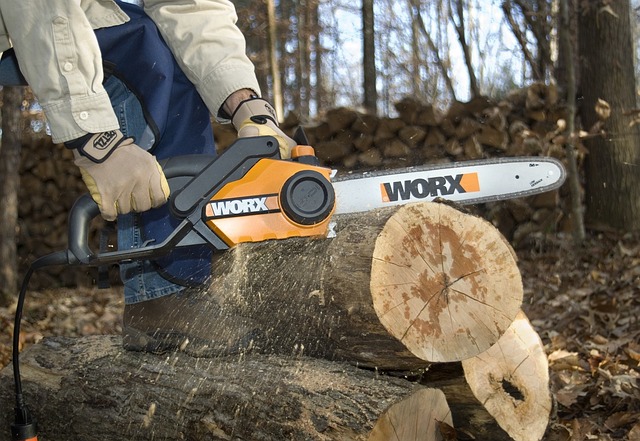
Is Ryobi 18V 10-Inch Chainsaw Redefining Power in Cordless Chainsaw Reviews
Ryobi 18V 10-Inch Chainsaw Delivers Higher Performance
The Ryobi 18V 10-inch chainsaw has become a notable contender in the professional cordless chainsaw segment. It delivers improved torque, longer runtime, and refined ergonomics compared to earlier iterations. For professionals seeking a lightweight yet capable tool for trimming, pruning, or small log cutting, this model represents a practical balance between portability and performance. Its integration with Ryobi’s ONE+ battery system extends versatility across multiple tools, making it an efficient solution for field operations where mobility and consistent output matter most.
Overview of the Ryobi 18V 10-Inch Chainsaw
As cordless technology matures, compact saws like the Ryobi 18V are reshaping expectations in the professional market. This section explores how the model positions itself among competitors and what design philosophy drives its engineering.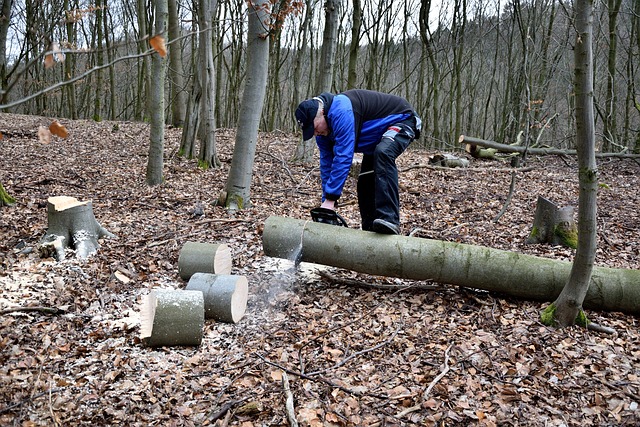
Positioning of the Ryobi 18V in the Cordless Chainsaw Market
The Ryobi 18V 10-inch chainsaw targets professionals who prioritize portability without sacrificing efficiency. It sits within the compact cordless category aimed at light to moderate cutting tasks—ideal for arborists, landscapers, and maintenance crews handling daily workloads that don’t require heavy gas-powered units. Market data from industry sources such as BloombergNEF shows a steady rise in demand for battery-powered outdoor tools as sustainability goals drive reduced fuel dependency. Within this trend, Ryobi’s offering competes directly against similar voltage-class models from brands focusing on ergonomic design and power management.
Key Specifications and Design Philosophy
The chainsaw’s compact frame enhances maneuverability in tight spaces while maintaining structural rigidity for precise control. Its compatibility with the ONE+ battery ecosystem allows seamless interchangeability across more than a hundred tools, reducing operational costs for professionals already invested in the platform. The design prioritizes balanced weight distribution to minimize fatigue during overhead or repetitive cutting tasks—a critical factor in professional-grade usability where comfort directly affects productivity.
Performance Analysis in Professional Applications
Performance metrics define whether a cordless chainsaw can handle real-world demands. The following sections assess power delivery, runtime stability, and charging behavior under professional use conditions.
Power Output and Cutting Efficiency
Equipped with a high-torque motor tuned for consistent performance under load, the Ryobi 18V provides reliable cutting through dense branches and small trunks up to its bar length capacity. Chain speed remains stable even during prolonged cuts, indicating efficient energy transfer from motor to chain assembly. Compared with earlier Ryobi models tested under similar conditions, runtime improvements are noticeable—thanks largely to refined electronic control systems that regulate current draw during high-resistance cuts.
Battery Endurance and Charging Dynamics
Ryobi employs lithium-ion cells known for their steady voltage discharge profile, which sustains cutting power until near depletion. Charging cycles have been optimized to reduce downtime; typical recharge times align with industry averages under one hour using fast-charging adapters. For professionals managing multiple tools on-site, battery interchangeability within the ONE+ range enhances workflow continuity by allowing rotation between charged packs without tool-specific limitations.
Engineering Innovations Behind the Ryobi 18V Chainsaw
Beyond raw performance metrics lies engineering sophistication that defines long-term reliability and operator experience. The following subsections detail how motor technology and chain mechanisms evolve to meet professional expectations.
Motor Technology and Energy Management System
The brushless motor architecture increases durability by eliminating frictional wear associated with traditional brushed designs. This not only extends service life but also improves electrical efficiency by converting more stored energy into usable torque output. Advanced electronic controls monitor resistance during cutting and adjust current flow dynamically—a feature that prevents sudden stalls while conserving energy when load decreases. Reduced vibration levels further enhance comfort during extended sessions, minimizing strain on wrists and shoulders.
Chain Mechanism and Bar Design Improvements
The 10-inch guide bar strikes an effective compromise between reach and handling precision, particularly useful for pruning or ladder work where control outweighs raw length advantage. Tool-less chain tensioning simplifies field adjustments; operators can fine-tune tension quickly without carrying additional gear. The automatic lubrication system maintains consistent oil distribution along the chain path, ensuring smoother operation across varying wood densities while reducing premature wear on components.
Comparative Assessment Within Cordless Chainsaw Reviews
In professional cordless chainsaw reviews, benchmarking across brands provides insight into real-world competitiveness. This section evaluates how Ryobi’s model measures up against peers in its voltage class regarding performance consistency and ownership value.
Benchmarking Against Competing Models in the 18V Class
When compared with equivalent models from Makita or DeWalt within the same voltage bracket, Ryobi’s unit demonstrates competitive torque stability under continuous operation. Noise output remains moderate—an advantage in residential or noise-sensitive environments—and maintenance requirements are minimal due to fewer moving parts exposed to debris ingress. Field testers frequently cite its predictable throttle response as beneficial when alternating between softwood trimming and denser hardwood branches.
Durability, Maintenance, and Long-Term Value Considerations
Material selection emphasizes resilience; reinforced polymer housings resist impact damage common on active job sites while keeping overall weight manageable below many competitors’ averages. Routine maintenance involves basic chain cleaning and oil refilling only—no complex disassembly required. For contractors valuing total cost of ownership over initial purchase price, this simplicity translates into tangible savings over time through reduced downtime and part replacement frequency.
Practical Implications for Industry Professionals
Beyond specifications lies practical deployment: how well does this chainsaw integrate into daily workflows? The following discussion outlines application contexts where it excels and operational strategies that maximize efficiency per charge cycle.
Application Scenarios Across Work Environments
Professionals engaged in landscaping or property maintenance benefit from its lightweight configuration when clearing brush or shaping ornamental trees. On construction sites, it serves effectively for trimming lumber or preparing scaffolding supports where corded access is impractical. Its emission-free operation aligns with corporate sustainability initiatives increasingly adopted by facility managers seeking greener equipment fleets.
Expert Insights on Operational Optimization
Experienced users emphasize maintaining proper chain tension before each session to preserve energy efficiency throughout a charge cycle—a loose chain not only wastes power but risks uneven wear on sprocket teeth. Rotating multiple batteries through staggered charging schedules keeps workflow continuous during long shifts without idle time waiting for recharge completion. Integrating this model into existing ONE+ tool ecosystems consolidates power management across drills, trimmers, blowers, and saws—streamlining logistics at multi-tool job sites.
FAQ
Q1: How long does the Ryobi 18V chainsaw run on a full charge?
A: Typical runtime ranges between 30–40 minutes of active cutting depending on material density and operator technique.
Q2: Is it suitable for professional arborist use?
A: Yes, especially for light pruning or branch removal tasks where maneuverability is more critical than bar length.
Q3: Can older ONE+ batteries be used with this model?
A: All ONE+ lithium-ion batteries are cross-compatible regardless of generation within nominal voltage limits.
Q4: What maintenance schedule is recommended?
A: Regularly clean debris from sprocket areas after each use, maintain proper oil level before operation, and inspect chain sharpness weekly under frequent use conditions.
Q5: How does it compare to gas-powered models in cutting speed?
A: While not matching large-displacement gas saws on heavy logs, it achieves comparable efficiency on smaller cuts with far less noise and zero emissions—ideal for controlled environments requiring precision over brute force.