
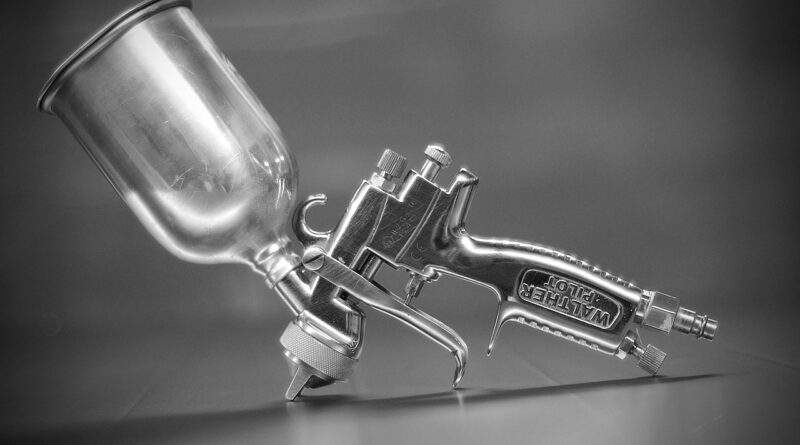
HVLP spray gun reviews for better finish control and lower overspray
Short answer for shoppers comparing HVLP spray gun reviews
Most HVLP spray gun reviews miss the buying question that matters most. The right gun is not simply the one that lays down the smoothest finish under ideal test conditions. It is the one that fits your coating, air supply, project size, cleanup expectations, and safety setup. A small electric HVLP sprayer can be a practical choice for stain, sealer, furniture paint, and occasional DIY work. A turbine HVLP system is usually the more capable step up for cabinets and woodworking. A compressor-fed professional HVLP gun is better suited to automotive refinishing and fine industrial coatings, but only when the compressor can deliver enough air continuously.
This guide explains how to read HVLP spray gun reviews critically, using manufacturer specifications, EPA and OSHA guidance, and real setup constraints rather than unsupported ranking claims. For more tool comparisons, visit our Reviews section.
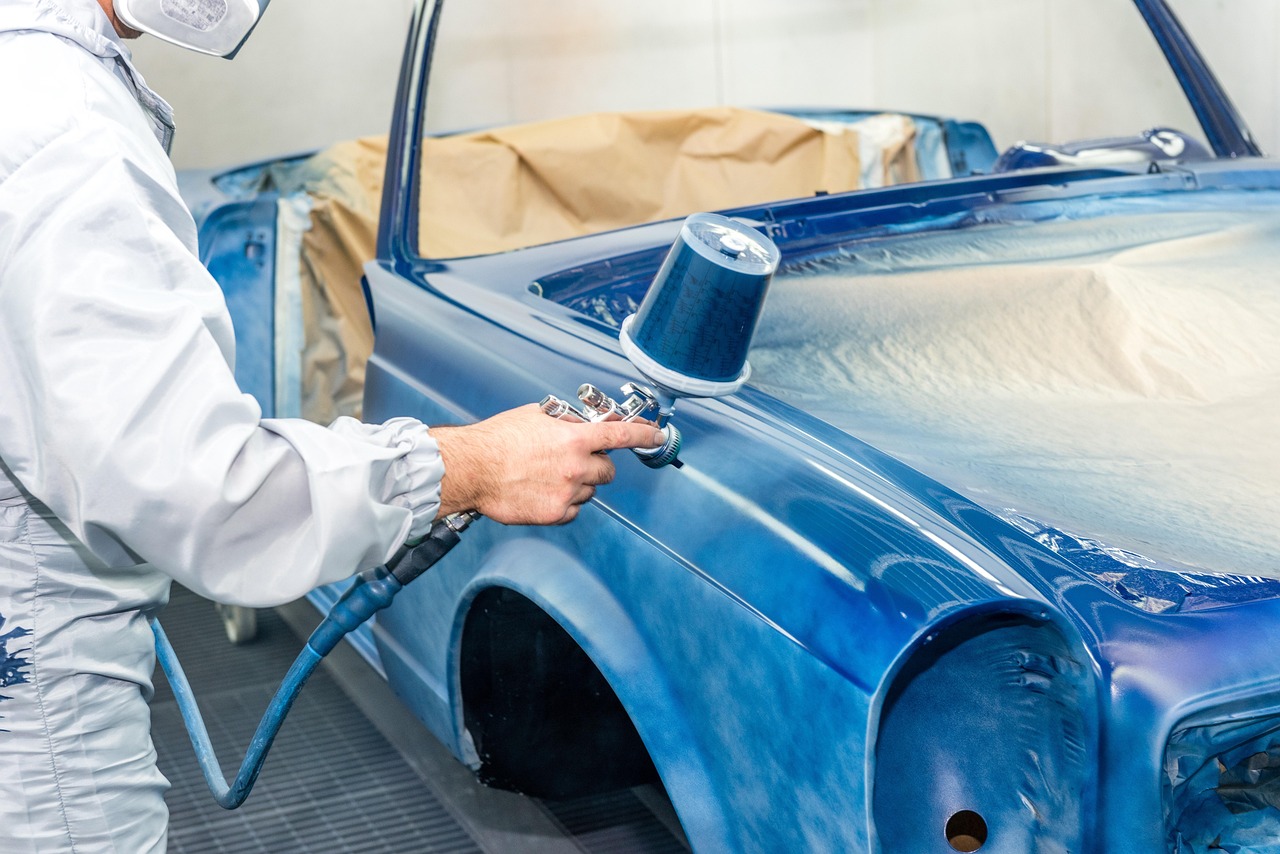
What HVLP means and why it matters
HVLP stands for high volume, low pressure. In practical terms, the gun uses a high volume of air at relatively low pressure to atomize coating material. Compared with older conventional spray guns, the intended advantage is better transfer efficiency and lower overspray when the gun is adjusted and used correctly.
The condition at the end of that sentence is important. HVLP is not automatic finish control. Transfer efficiency depends on coating viscosity, air pressure, fan pattern, gun distance, operator technique, booth airflow, and whether the material suits the selected tip size. A poorly adjusted HVLP gun can still waste material, create orange peel, or leave dry spray.
In U.S. automotive and miscellaneous surface coating contexts, EPA materials for the 6H rule recognize HVLP spray guns as one acceptable spray application technology for covered operations, alongside electrostatic, airless, air-assisted airless, and equivalent technologies. South Coast AQMD transfer-efficiency procedures are often referenced when demonstrating whether spray equipment is equivalent to HVLP. For buyers, the practical point is simple: if compliance matters in your shop, verify the exact gun, air cap, cup capacity, and documentation rather than relying on a listing title alone.
How to judge an HVLP spray gun before you buy
A useful review should explain fit, not just praise the finish. Before comparing models, check the factors that determine whether the gun will work in your shop.
- Air source: Some HVLP tools are self-contained electric sprayers, some use turbine units, and some require a shop compressor. Compressor-fed guns often need far more continuous air than small garage compressors can provide.
- Air consumption: Look for SCFM or CFM at a stated pressure. A large tank does not solve a low-SCFM compressor problem if the pump cannot keep up.
- Tip and nozzle range: Thin stains and clear coats usually use smaller tips. Primers, latex, and thicker water-based coatings often need larger tips or careful thinning.
- Material compatibility: Automotive basecoat, 2K clear, lacquer, stain, latex, enamel, and waterborne cabinet finishes do not behave the same way.
- Pattern control: A good gun should allow predictable adjustment of fluid flow, fan width, and air.
- Cleanup design: Replaceable atomizing heads, disposable cup systems, stainless internal passages, and easy needle access can reduce maintenance time.
- Parts support: Needles, caps, seals, cups, filters, and hoses should be easy to source if the tool will be used regularly.
If a review does not mention compressor requirements, coating type, and tip size, it is not complete enough for serious buyers.
Representative HVLP spray gun review notes by use case
The models below are not a universal ranking. They are representative examples showing how different HVLP categories serve different users. Check specifications against the latest manufacturer documentation before purchase, because packages, included tips, and regional versions can change.
| HVLP option | Typical fit | Useful specification signals | Main limitation to consider |
|---|---|---|---|
| HomeRight Super Finish Max | DIY furniture, fences, crafts, small home projects | Manufacturer materials list a 450-watt handheld unit, 40-ounce container, and 1.5 mm, 2.0 mm, and 4.0 mm tips | Less refined control than professional compressor guns; not aimed at high-end automotive finishes |
| Wagner Control Spray Max | Stain, sealer, trim, and controlled DIY finishing | Manufacturer descriptions emphasize HVLP atomization and adjustable pattern control, with fan patterns commonly marketed for narrow to wider work | Best treated as a homeowner turbine sprayer, not a substitute for a pro refinishing gun |
| Fuji Spray Semi-PRO 2 | Woodworking, cabinet work, furniture, and serious hobby finishing | Common packages use a two-stage turbine and an M-model spray gun; some gravity-feed kits include a 400 cc cup and 25-foot hose | Two-stage turbines can be limited with thicker coatings unless the finish is reduced and tested carefully |
| 3M Performance Spray Gun | Body shop, industrial, and professional refinish workflows | 3M technical data lists HVLP air consumption around 13 SCFM and maximum HVLP operating pressure around 20 psi for gravity HVLP nozzles | Requires adequate compressed air and ongoing nozzle or head consumables |
| Anest Iwata LPH400 | Professional basecoat, clear coat, woodwork, and controlled low-overspray work | Manufacturer material identifies it as an HVLP gun operating at 10 psi at the cap; older catalog data commonly lists about 9.5 CFM for several LPH400 LV setups | Higher cost and technique sensitivity make it better for experienced users |
| DeVilbiss FinishLine FLG4 | General-purpose refinishing and shop use | DeVilbiss catalog material for HVLP air caps shows notable compressor demand, with some configurations in the 12–15 CFM range | Not ideal for undersized compressors; confirm the exact air cap and feed style |
Turbine HVLP versus compressor HVLP
Many confusing HVLP spray gun reviews compare turbine sprayers and compressor-fed guns as if they are the same buying decision. They overlap in use, but they are different systems.
Turbine HVLP
A turbine HVLP system creates its own air supply, which is useful if you do not own a large compressor. Turbine units are common in woodworking, furniture refinishing, cabinet finishing, stain, lacquer, and waterborne finish work. They are portable and predictable, and the hose and gun are designed to work as a matched system.
The trade-off is atomization power. Lower-stage turbines can struggle with thicker latex or heavy primer unless the material is reduced, strained, and tested. More stages generally provide better atomization potential, but the coating manufacturer’s technical sheet still carries more weight than a general review claim.
Compressor HVLP
Compressor-fed HVLP guns are common in automotive and professional shops. They can deliver excellent atomization and wide patterns, but they require clean, dry, consistent compressed air. A gun that requires 13 SCFM cannot be judged fairly with a compressor that delivers far less. Moisture control, regulator accuracy, hose diameter, and high-flow fittings can all affect the result.
If your compressor is small, a lower-air-demand LVLP gun or a turbine HVLP system may be more realistic than trying to run a high-CFM HVLP gun below its design range.
Nozzle size, coating viscosity, and finish quality
Nozzle size is one of the most important specifications in any HVLP spray gun review. A small tip can atomize thin clear finishes very well, but it may starve heavier paint. A large tip can move primer or thicker coatings, but it may flood delicate work if fluid flow is not controlled.
Common starting points often look like this, although the coating manufacturer’s technical data sheet should take priority:
- Stain and thin clear finishes: smaller tips are usually easier to control.
- Lacquer and many cabinet clears: small to medium tips are common, depending on solids content.
- Automotive basecoat and clear: many professional setups fall in the 1.2 mm to 1.4 mm range, but product instructions vary.
- Sealer and primer: medium to larger tips are often needed.
- Latex and thick water-based paint: large tips, thinning, or a different sprayer type may be required.
Reviews that say a sprayer handles “paint” without naming the coating type are too vague. Latex wall paint, automotive urethane, shellac, pre-catalyzed lacquer, and waterborne cabinet enamel are very different materials. See also: Tool Categories.
Setup checks that affect real-world results
Even a good HVLP gun can produce poor results if setup is rushed. Before spraying the actual part, make a controlled test pass on cardboard, masking paper, or scrap material. The fan should be even, with no heavy edge, split center, or sputtering. Adjust one variable at a time.
- Strain the coating: Small debris can clog a fine nozzle quickly.
- Set pressure with the trigger pulled: Static pressure is not the same as spraying pressure.
- Open the fan gradually: A fully wide fan can reduce control on small parts.
- Balance fluid and air: Too much fluid can cause sagging; too much air can create dry spray.
- Hold consistent distance: Keep the gun square to the surface and avoid arcing at the end of a pass.
- Use overlap: Consistent overlap helps avoid striping and patchy gloss.
- Clean immediately: Dried finish inside the needle, cap, or passages is a common cause of later defects.
For repeat work, write down the coating, reduction ratio, tip size, pressure, temperature, and result. That record is often more useful than another generic product ranking.
Safety and compliance should be part of the review
HVLP can reduce overspray compared with some older methods, but it does not make coating chemicals safe. OSHA spray-finishing rules emphasize mechanical ventilation during spraying and afterward long enough to exhaust vapors. Flammable and combustible materials also bring ignition and storage hazards. That means no open flames, no smoking, and no casual spraying near grinding or welding work.
Automotive 2K coatings and some industrial finishes can contain isocyanates or other hazardous components. Respiratory protection, eye protection, gloves, protective clothing, and proper booth ventilation are not optional details. For workplace use, employers may need a formal respiratory protection program and compliance with applicable federal, state, and local rules. For DIY users, the safest decision may be not to spray certain coatings at home at all.
Reviews that only discuss finish gloss while ignoring ventilation, overspray containment, and personal protective equipment give an incomplete picture.
Which HVLP spray gun type should you choose?
Start with the project, then choose the tool.
- Occasional furniture and crafts: A self-contained electric HVLP sprayer is affordable and simple, especially for stains, sealers, chalk-style paint, and small projects.
- Cabinets and woodworking: A turbine HVLP system is often the most practical upgrade because it avoids the need for a large compressor while improving control.
- Automotive panels and professional refinish work: A compressor-fed HVLP gun from a proven brand is more appropriate, provided the compressor, filtration, booth, and safety equipment are suitable.
- Primer and heavy coatings: Confirm tip size and air demand. A separate primer gun or a different sprayer technology may be more efficient.
- Small compressors: Do not assume any HVLP gun will work. Check SCFM first, then consider turbine HVLP or LVLP alternatives.
The most reliable conclusion from HVLP spray gun reviews is not that one model wins every category. Finish quality comes from a matched system: coating, tip, air supply, adjustment, environment, and operator technique.
Frequently asked questions
Is an HVLP spray gun better than an airless sprayer?
It depends on the job. HVLP is usually chosen for controlled fine finishing, smaller projects, furniture, cabinets, trim, and automotive refinishing. Airless sprayers move more material faster and are commonly used for walls, exteriors, and larger coating jobs. For fine finish control, HVLP often has the advantage; for production coverage, airless may be faster.
Can I use an HVLP spray gun with a small pancake compressor?
Usually not for serious spraying. Many compressor-fed HVLP guns require far more continuous air than a small pancake compressor can supply. Check the gun’s SCFM or CFM requirement at the stated pressure and compare it with the compressor’s delivered air rating, not just tank size.
What tip size should I use for paint?
There is no single paint tip size. Thin stains and clears need different tips than primer or latex. Start with the coating manufacturer’s technical data sheet, then match the gun’s available nozzle range. If the finish looks dry, rough, or heavy, adjust pressure, reduction, fluid flow, and technique before blaming the gun.
Do HVLP spray guns create overspray?
Yes. HVLP can reduce overspray when properly set up, but it still atomizes coating into the air. Ventilation, masking, filtration, and personal protective equipment remain necessary.
Are cheap HVLP spray guns worth buying?
They can be useful for occasional DIY jobs, stains, practice, or primer work. For automotive clear, fine cabinet finishes, or repeated shop use, better machining, parts support, and air-cap consistency usually matter enough to justify a higher-quality gun or turbine system.