Are Top Rated Battery Powered Drills Defining Every Major Cordless Power Tool Brand Ranked Worst To Best
Every Major Cordless Power Tool Brand Ranked Worst To Best
Cordless power tools have become the backbone of modern construction and repair industries. The competition among brands has evolved from simple motor strength to integrated battery ecosystems and digital control systems. Based on technical evaluation and user reliability data, Milwaukee, DeWalt, and Makita consistently lead the market for professional-grade performance, while Ryobi and Ridgid dominate the mid-tier with strong value propositions. Black+Decker remains an accessible entry point for casual users. This ranking reflects engineering quality, ecosystem depth, and long-term serviceability across every major cordless power tool brand.
The Evolution of Cordless Power Tool Brands
The cordless revolution didn’t happen overnight. It was driven by both technological innovation and changing user expectations that demanded mobility without sacrificing torque or runtime.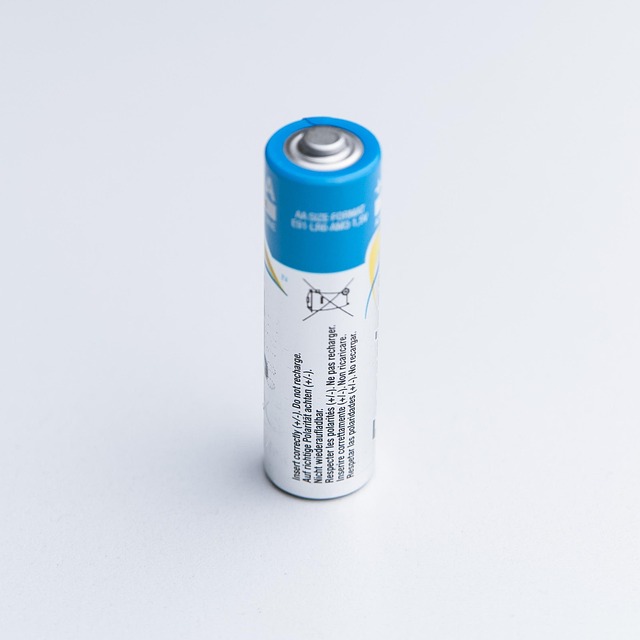
The Shift from Corded to Battery-Powered Tools
The transition from corded to battery-powered tools marked a turning point in industrial design. Lithium-ion technology replaced older nickel-cadmium cells, offering higher energy density and lower self-discharge rates. This shift allowed tradespeople to work untethered, improving productivity in environments where extension cords were impractical or unsafe. As demand increased, manufacturers like Milwaukee and DeWalt expanded their cordless portfolios across multiple voltage platforms to meet diverse trade requirements. Competitive pressure pushed every major brand to refine their battery chemistry and electronic controls to maximize efficiency.
How Battery Technology Influenced Brand Positioning
Battery specifications became the new battleground for brand identity. Voltage ratings indicated raw power potential, while amp-hour capacity determined runtime per charge cycle. Some brands introduced smart battery management systems that balanced temperature control with output stability, extending overall lifespan. Cross-tool compatibility also became a major selling point; users could invest in a single battery platform that powered everything from drills to saws and outdoor equipment. This ecosystem approach strengthened customer loyalty by reducing redundancy in battery purchases.
Evaluating Top Rated Battery Powered Drills as Brand Benchmarks
Cordless drills serve as the ultimate benchmark for assessing a brand’s engineering capability because they combine motor efficiency, ergonomics, and energy management into one compact package.
Why Drills Represent the Core of Cordless Tool Identity
Every manufacturer’s cordless lineup begins with its drill platform. These tools embody each brand’s design philosophy—from torque delivery curves to handle balance under load. A high-performing drill demonstrates how well a company manages heat dissipation in compact housings while maintaining consistent torque output across varying materials. Professionals often gauge brand reliability by how drills perform under repetitive heavy-duty cycles since failures here often mirror weaknesses across the entire product line.
Key Performance Metrics Defining Drill Rankings
Torque-to-weight ratio remains a critical measure of mechanical efficiency; higher ratios indicate refined motor design and gear precision. Brushless motors now dominate premium segments because they deliver smoother acceleration, better thermal control, and longer service life compared to brushed counterparts. Another defining factor is battery interchangeability—users value platforms that allow seamless swapping between tools without adapters or proprietary limitations, which directly impacts perceived convenience and total cost of ownership.
Comparative Analysis of Major Cordless Power Tool Brands
Market segmentation within cordless tools is now clearly stratified between professional-grade systems built for durability and consumer-focused lines emphasizing affordability.
High-End Professional Brands Leading the Market
Milwaukee Tool
Milwaukee’s M18 and M12 systems exemplify engineering focused on torque density and electronic protection circuits that prevent overloads during high-current applications. Their emphasis on trade-specific solutions—plumbing, electrical, carpentry—has made them a preferred choice among professionals seeking specialized attachments within one ecosystem.
DeWalt
DeWalt maintains broad voltage coverage through its FlexVolt system that automatically switches between 20V and 60V configurations depending on tool demand. Its rugged housings are engineered for jobsite abuse, featuring reinforced gear casings and moisture-resistant seals that protect internal electronics from dust ingress.
Makita
Makita’s legacy lies in precision motor manufacturing with advanced cooling designs that reduce carbon buildup under sustained use. Its compact drill bodies are prized for balance during overhead or fine-detail tasks where fatigue reduction matters more than raw torque output.
Mid-Tier Brands Competing on Value and Innovation
Ridgid
Ridgid strikes an appealing balance between price and reliability by offering lifetime service agreements that cover both batteries and tools—a rare warranty structure in this segment. The performance targets serious DIYers who require semi-professional results without premium pricing.
Ryobi
Ryobi’s One+ system anchors its reputation for accessibility; a single 18V battery fits hundreds of compatible tools across categories from home improvement to lawn care. While not designed for heavy industrial use, its affordability makes it one of the most widely adopted platforms among homeowners.
Entry-Level Brands Targeting Casual Users or Budget Markets
Black+Decker
Black+Decker focuses on simplicity over performance metrics. Lightweight housings, moderate torque ratings, and intuitive controls make their drills ideal for household repairs rather than commercial workloads. Price positioning ensures accessibility even for first-time buyers entering the cordless segment.
Factors Influencing Brand Ranking from Worst to Best
Technical superiority alone doesn’t determine rankings; long-term value depends equally on material integrity, ecosystem coherence, and post-sale support networks.
Engineering Quality and Material Standards
Brands investing in precision machining achieve tighter component tolerances that minimize vibration during operation—a key factor influencing fatigue over long shifts. Heat-treated gears extend drivetrain life under continuous load conditions common in construction environments where downtime translates directly into lost revenue.
Battery Ecosystem Depth and Compatibility Strategy
Unified platforms encourage repeat purchases within a single brand family since users can share batteries among multiple devices. Expanding those same packs into outdoor equipment further strengthens loyalty by extending utility beyond workshops into landscaping or facility maintenance applications.
Innovation, Connectivity, and Smart Features
Modern cordless systems increasingly integrate microcontrollers capable of monitoring current draw in real time to prevent overheating or premature cell degradation. Some premium models include Bluetooth diagnostics accessible via mobile apps that log usage data—useful for fleet managers tracking tool health across multiple job sites.
The Role of Market Perception in Defining “Top Rated” Status
Perception shapes buying behavior as much as performance statistics do; endorsements from professionals often validate what lab tests already suggest about reliability under stress conditions.
Influence of Professional Endorsements and Trade Reviews
Independent testing organizations routinely evaluate drills through standardized torque endurance cycles defined by international standards such as IEC 62841-1 for hand-held motor-operated tools. Verified results provide objective insight into durability claims while contractor testimonials add contextual credibility drawn from field conditions rather than controlled labs.
Longevity, Warranty Support, and Aftermarket Service Network
Brands offering multi-year warranties backed by accessible regional service centers signal confidence in their engineering integrity. Availability of replacement parts—especially batteries—directly influences operational uptime since even minor delays can disrupt project schedules on professional sites where continuity is critical.
Future Trends Shaping the Next Generation of Cordless Power Tools
The next decade will redefine what “cordless” means as emerging chemistries converge with connected intelligence inside compact housings once limited by physics alone.
Emerging Battery Chemistries Beyond Lithium-Ion
Solid-state designs promise higher energy density with reduced thermal runaway risk compared to conventional lithium-ion cells currently dominating commercial production lines (as noted by IEEE Energy Storage Working Group reports). Rapid-charging advancements may soon cut downtime dramatically—potentially recharging high-capacity packs within minutes instead of hours.
Integration of AI and IoT into Power Tools
Artificial intelligence will move predictive maintenance from theoretical concept to practical reality through embedded sensors analyzing vibration signatures indicative of bearing wear before failure occurs. Cloud-based dashboards could allow supervisors to monitor entire tool fleets remotely—an efficiency leap particularly relevant for large-scale contractors managing dozens of concurrent projects globally.
FAQ
Q1: Which brand currently leads in top rated battery powered drills?
A: Milwaukee consistently ranks highest due to superior torque performance combined with robust electronic protection systems across its M18 platform.
Q2: Are brushless motors worth the extra cost?
A: Yes, brushless designs increase lifespan by reducing friction losses while maintaining consistent power delivery even under heavy loads.
Q3: Can Ryobi batteries fit other brands’ tools?
A: No, cross-brand compatibility is generally restricted because each manufacturer uses proprietary terminal layouts to maintain system safety standards defined under IEC guidelines.
Q4: What determines whether a drill is considered professional-grade?
A: Key indicators include sustained torque stability above 800 in-lbs., reinforced metal gear assemblies, brushless drive units, and extended-cycle lithium packs exceeding 4 Ah capacity ratings.
Q5: Will solid-state batteries replace lithium-ion soon?
A: Not immediately; although prototypes show promise in lab conditions reported by BloombergNEF research summaries, mass production scalability remains several years away due to material cost constraints.