
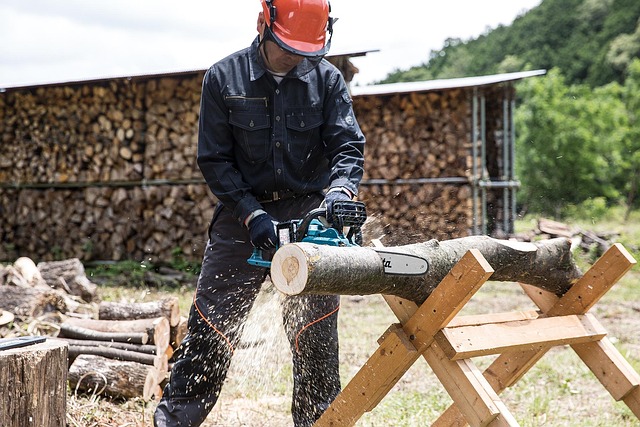
Are Battery Chainsaw Reviews Reliable for Identifying the Top Electric Models of 2026
The Best Electric Chainsaws of 2026, Tested and Reviewed by Experts
Battery-powered chainsaws have evolved into serious tools for both professionals and advanced hobbyists. In 2026, the best electric chainsaws deliver near-gas performance with cleaner operation and reduced maintenance. Expert testing reveals that models combining high torque output, efficient energy use, and smart connectivity outperform older designs. This article analyzes how to evaluate the reliability of battery chainsaw reviews and identifies the criteria experts use to determine which models truly stand out.
Evaluating the Reliability of Battery Chainsaw Reviews?
Battery chainsaw reviews are essential for professionals comparing next-generation models. However, not all reviews carry equal weight. The reliability of a review depends on its methodology, data transparency, and independence from manufacturer influence.
Understanding the Purpose and Scope of Battery Chainsaw Reviews
Reviews serve as a bridge between technical specifications and real-world performance. They provide insights into cutting power, durability under stress, and operator comfort. A credible review typically reflects structured testing rather than marketing claims. Distinguishing between promotional content and independent evaluations helps readers identify genuine expertise over brand-driven narratives.
Factors That Influence Review Reliability
Testing conditions can greatly affect results. For example, cutting wet hardwood at 5°C stresses a saw differently than dry pine at 20°C. Battery charge cycles also play a role—new cells perform better than those partially degraded after repeated use. Reviewer bias may appear when brands sponsor content or supply free equipment without disclosure. Transparent methodology, including details about test materials and duration, builds trust in reported outcomes.
Criteria Used in Expert Assessments of Electric Chainsaws
Expert assessments rely on standardized metrics to compare competing models objectively. These evaluations often combine laboratory data with controlled field trials to measure performance consistency across multiple units.
Performance Metrics in Professional Testing
Torque output determines how effectively a saw maintains chain speed under load. High-end 2026 models now reach chain speeds exceeding 25 m/s while maintaining steady torque curves even as battery voltage drops. Continuous-load battery life tests reveal endurance more accurately than short bursts of activity. Noise levels below 90 dB(A) and low vibration rates improve user comfort during prolonged operation—an increasingly important factor in professional-grade assessments.
Durability and Maintenance Considerations
Durability testing exposes weak points that short-term consumer trials might miss. Experts assess wear patterns on chains, bars, sprockets, and motor housings after hundreds of cuts through dense timber. Maintenance ease also matters: automatic lubrication systems reduce downtime, while tool-free chain tensioning simplifies field adjustments. Build quality—especially housing rigidity and corrosion resistance—often predicts lifespan better than warranty length alone.
Comparing Consumer Reviews with Expert Evaluations
While expert tests provide controlled data, consumer feedback captures how tools behave in unpredictable environments such as construction sites or forest edges.
The Role of User Feedback in Identifying Practical Strengths and Weaknesses
User reviews highlight ergonomic impressions—handle balance, trigger sensitivity, or fatigue after extended use—that lab tests might overlook. Aggregated user data across thousands of entries can reveal recurring issues like premature chain stretch or inconsistent charging times. Yet variability in skill level means some complaints stem from misuse rather than design flaws.
How Expert Testing Complements Consumer Insights
Experts apply repeatable procedures that eliminate subjective variation. Their measurements validate whether user-reported problems reflect genuine design limitations or isolated incidents. For instance, when multiple users report overheating during long cuts, thermal imaging during controlled lab runs can confirm if cooling systems are insufficiently designed. Combining both perspectives offers a balanced view that benefits buyers seeking reliable battery chainsaw reviews.
Key Indicators of Trustworthy Battery Chainsaw Reviews for 2026 Models
With dozens of new releases each year, identifying credible reviews requires attention to transparency and editorial independence.
Transparency in Testing Procedures and Data Presentation
Reputable publications disclose their full testing environment—wood species used, ambient temperature ranges, instruments for measuring chain speed—and explain scoring systems clearly enough for replication by other professionals. Including photos or video documentation strengthens credibility because readers can observe test execution directly rather than relying solely on written summaries.
Independence from Manufacturer Influence
True objectivity demands distance from commercial incentives. Reviews should declare any sponsorships or affiliate links upfront so readers understand potential conflicts of interest. Outlets with strict editorial oversight tend to produce more consistent evaluations since editors verify test integrity before publication.
Emerging Trends Influencing Electric Chainsaw Evaluations in 2026
The criteria for judging electric chainsaws continue to evolve alongside technology itself. As batteries grow smarter and more efficient, evaluation frameworks expand beyond mechanical performance alone.
Advances in Battery Technology Affecting Performance Benchmarks
Recent lithium-ion chemistries deliver higher energy density with faster recharge times—some reaching 80% capacity within 30 minutes using adaptive chargers compliant with IEC safety standards (IEC 62133). Improved thermal regulation prevents overheating under sustained load conditions typical in logging operations. These innovations shift benchmarks toward sustainability metrics like recyclability rate or lifecycle carbon footprint rather than raw runtime alone.
Integration of Smart Features in Next-generation Models
Next-generation electric chainsaws now feature embedded sensors that track usage hours and predict maintenance intervals through onboard diagnostics compliant with IEEE connectivity protocols (IEEE 802 family). Firmware updates via Bluetooth or Wi‑Fi refine throttle response or safety lock behavior post-purchase. Consequently, reviewers must now evaluate not only hardware but also digital functionality such as app interface stability or data accuracy over time.
Establishing a Framework for Identifying Reliable Top Electric Models of 2026
To identify the best electric chainsaws objectively, evaluators must synthesize diverse information sources into coherent conclusions supported by measurable evidence.
Synthesizing Multiple Sources for Comprehensive Evaluation
A robust framework integrates expert reports from accredited labs following ISO 9001 testing procedures with verified consumer feedback collected through authenticated purchase platforms. Weighted scoring systems balance quantitative metrics—like torque retention percentage—with qualitative impressions such as ergonomics or noise perception under load. Continuous updates throughout the year reflect firmware revisions or component improvements that may alter rankings after initial release cycles.
FAQ
Q1: What defines a reliable battery chainsaw review?
A: A reliable review discloses testing conditions, uses standardized metrics such as chain speed or torque retention, and remains free from undisclosed sponsorships.
Q2: How do experts measure cutting efficiency?
A: Experts record time per cut through standardized wood blocks while monitoring current draw to gauge energy efficiency relative to output power.
Q3: Why do some user reviews conflict with expert findings?
A: Differences arise because users operate tools under varied conditions; experts control variables like wood type or temperature to isolate true performance factors.
Q4: Are smart features worth considering in electric chainsaws?
A: Yes, smart diagnostics help schedule maintenance proactively and firmware updates can enhance safety functions without hardware changes.
Q5: Which factors most affect long-term durability?
A: Chain tension stability, motor cooling design, bar material hardness (typically above 50 HRC), and consistent lubrication determine how well a saw endures heavy workloads over years of service.