
Are Bandsaw Bearing Guides Better for Cleaner, Straighter Cuts?
Are Bandsaw Bearing Guides Worth It?
If your bandsaw cuts fine on Monday and starts acting up on Tuesday, bandsaw bearing guides are one of the first small parts I would check. They will not sharpen a dull blade, and they will not make a twisted frame cut straight, but they can help keep the blade steadier on curves, resawing, and repeat cuts. For more workshop setup tips, visit the Taodili Guides section.
A bandsaw blade is only a thin steel loop running under tension. When you feed wood or metal into it, the blade can twist, push back, or follow grain and hard spots. Bearing guides support the blade close to the cut, so less of that movement gets into the kerf. In real shop use, that usually means a cleaner line, less chatter, and fewer bad surprises when a board has knots or when square tube starts making noise.
Better Lateral Blade Support
Side bearings sit close to the blade body and help stop left-to-right movement. This matters when you cut tight curves, narrow strips, veneer, or tall hardwood.
The blade still needs the right tension and tooth pitch, so the guides are not doing the whole job. What they do is keep the blade from behaving like a loose string when cutting pressure changes.
Lower Friction at the Contact Point
Good bearings roll when the blade touches them during a cut. Compared with old steel blocks, that rolling contact can cut down rubbing at the guide point.
That said, a bearing only helps if it can turn freely. If it is seized or full of dust, it is just a round block, and it may get hot in a short time.
Easier Tune-Ups for Repeat Work
Many users like bearing guides because the settings are easy to see and check. You can set the side bearings just behind the gullets, place the thrust bearing just behind the blade, spin the wheel by hand, and see if anything touches too early.
That kind of setup saves time in a busy shop. It also makes repeat work easier because you can spot a bad setting before you ruin the next part.
How Do Bandsaw Bearing Guides Actually Work?
Bearing guides work like a three-point support around the blade. Two side bearings limit blade twist, and a rear thrust bearing takes the backward push from the stock. On many saws, the upper and lower guide assemblies do the same work above and below the table. This keeps the blade controlled where it goes into the cut and where it comes out.
Side Bearings Steady the Blade Body
The side bearings should support the flat body of the blade, not the teeth. If the teeth rub the bearing, the tooth set can be damaged.
Once the tooth set is worn off, the blade may drift even when the fence looks right. It is a small setup error, but it can waste a good blade quickly.
Thrust Bearings Control Backward Push
The rear bearing only needs to work when cutting pressure pushes the blade back. Grizzly’s public G0513 Series manual, updated in 2026, describes the support bearing as the part that stops excessive backward deflection and notes a typical 0.016 inch gap behind the blade.
That small gap is a useful point of reference. Even so, your own saw manual should be the first document you follow because guide designs are not all the same.
Upper and Lower Guides Share the Load
If you tune only the top guides, the blade can still move around below the table. Lower guides are harder to reach, especially under a cast iron table, but they still do important work.
Set both assemblies with the saw unplugged. After that, rotate the wheels by hand and check the blade path before you turn the machine on.
Bearing Guides vs Block Guides Which Should You Choose?
Bearing guides are common now, but they are not the only workable option. Older bandsaws often used steel, graphite, or phenolic blocks, and some current saws use ceramic guides. The right choice depends on blade size, material, dust, resin, heat, and how often you change setups.
Use Bearings for Curves and Resawing
Choose bearing guides when you want clean curves, repeatable furniture parts, and steadier support during resawing. A 1/2 inch or 3/4 inch blade used for resaw work gains from firm side control because tall stock puts more leverage on the blade.
When the guides are set well, the blade feels more settled in the cut. You still need a sharp blade and a sensible feed rate, but the cut is easier to control.
Use Blocks for Dirty or Resinous Work
Blocks can be useful when you cut green wood, pitchy softwood, or abrasive material. Some ceramic guides can run very close to the blade and deal with heat well.
Laguna Tools’ public setup notes for its 14|12 bandsaw describe ceramic guides with five contact points above and five below the table. That setup is not the same as roller bearing guides, so do not adjust both styles in the same way.
Check Blade Width and Machine Fit
Before buying a guide kit, check the saw model, blade width range, bearing size, post shape, and table clearance. A kit made for a common 14 inch cast-frame saw may not fit a compact benchtop saw.
Also look at the lower guide access before you order. If the lower assembly needs three hands and a tiny wrench, you may avoid adjusting it, and that defeats the point of the upgrade.
How Should You Set Bandsaw Bearing Guides?
Most bad guide settings start with the wrong order of work. Set the blade first, then set the guides. If you move bearings before the blade tracks correctly, you are chasing a moving part. That is how a quick blade change turns into a long stop in the middle of the day.
Start with Tension and Tracking
Unplug the saw before you put your hands near the blade. Install the blade, apply suitable tension, and track the blade on the wheels according to the saw maker’s manual.
OSHA 29 CFR 1910.213 also points to the importance of a tension control device on bandsaw machines, partly to help reduce blade breakage from wrong tension. That rule is written for workplaces, but the same idea makes sense in a small shop too.
Set Side Bearings Behind the Gullets
Move the side bearings forward until their front edge sits just behind the tooth gullets. Keep them away from the teeth so the tooth set is not rubbed off. See also: Tool Categories.
A common shop method is to leave a paper-thin gap on each side, then turn the wheels by hand to test the setup. The blade should run free at idle until cutting pressure brings it into contact. If the bearings spin all the time with no load, they are probably set too tight.
Leave a Small Gap at the Thrust Bearing
Set the rear bearing just behind the blade. Many manuals mention gaps near 0.015 to 0.016 inch, about the thickness of a few sheets of paper, but the exact figure depends on the saw and guide style.
Feed the stock at a steady pace and listen to the machine. If the blade hits the thrust bearing hard as soon as the wood touches it, slow the feed or check whether the blade is sharp enough for the job.
What Problems Show Your Guides Need Attention?
Bandsaws usually give signs before they spoil a cut. You may hear noise, feel heat, see drift, or notice poor surface quality. Do not blame the guides every time, because blade choice and tension cause many of the same problems. Still, guides are easy to inspect, so they should be near the top of the checklist.
Blade Drift with a Sharp Blade
If a sharp blade tracks well on the wheels but still walks sideways in the cut, check the side bearings. One bearing may be sitting closer than the other and pushing the blade off line.
Also check whether the guide post is square to the table. A small tilt above the table can turn into a larger error when you cut thick stock.
Burn Marks, Noise, or Hot Bearings
A squeal, tick, or scraping sound often means the blade is touching in the wrong place. Stop cutting and let the machine coast down before checking the guides.
A hot bearing may be too tight, dirty, or worn out. Sawdust can pack into shields over time, and once a bearing feels gritty by hand, replacing it is usually the better repair.
Rough Edges and Wavy Resaw Lines
Wavy resaw cuts can come from low tension, too many teeth per inch, fast feed, or loose guides. Look at the cut pattern before changing several settings at once.
A long slow wave often points to blade tension or feed pressure. Short chatter marks with similar spacing may point to guide vibration or a damaged bearing.
How Can You Buy and Maintain Bandsaw Bearing Guides?
A good guide kit should fit the saw cleanly, adjust without fighting you, and stay in place after vibration. Price matters, but fit matters more. A low-cost kit with sloppy screws can make a solid saw feel worse, so it is not really a saving.
Match the Kit to the Saw Frame
Confirm the brand, model, wheel size, guide post diameter, and blade width range before buying. If your saw has missing parts, compare the exploded parts diagram before you place the order.
Some upgrades replace only bearings, while others replace the full upper and lower guide assembly. Read that detail twice at checkout, because the difference matters when the package arrives.
Inspect Seals, Play, and Hardware
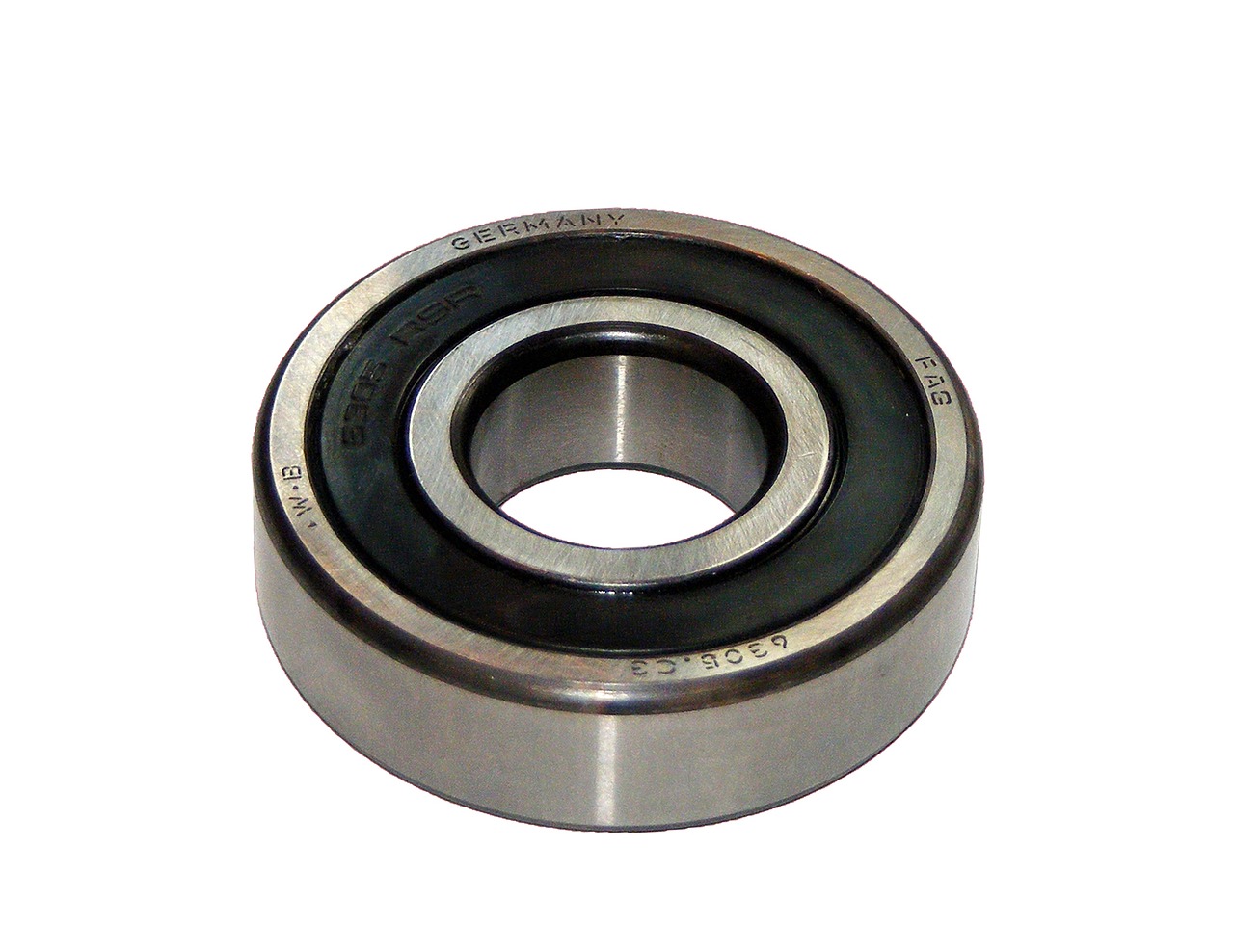
Spin each bearing by hand with the saw unplugged. It should feel smooth, not dry, rough, or crunchy.
Check for side play, loose eccentric shafts, stripped lock knobs, and bent brackets. For small shop use, a quick check during blade changes is usually enough. In production work, put it on the weekly maintenance list.
Clean Dust Before It Becomes Trouble
Brush or vacuum guide assemblies often so dust does not build up around the bearings. Do not blast bearings with high pressure air at close range, because it can push fine dust past the shields.
The U.S. Bureau of Labor Statistics 2024 SOII tables list a 3.2 total recordable case rate per 100 full-time workers for sawmill, woodworking, and paper machinery manufacturing. That number is not about guide bearings alone, but it is a plain reminder that clean, guarded, well-set machines need regular attention.
FAQ
Q1: Are Bandsaw Bearing Guides Better Than Cool Blocks? A: They are better for many clean woodworking and resawing jobs because they roll with blade contact and give firm support. Cool blocks may be a better fit for dirty, resinous, or very narrow blade work.
Q2: Should the Bearings Touch the Blade All the Time? A: Usually no. Side bearings and the thrust bearing should sit very close, but on many bearing-guide saws the blade should run free at idle. Follow your machine manual if it gives a different setting.
Q3: Can Bearing Guides Fix Bandsaw Drift? A: They can reduce drift caused by blade twist, but they cannot fix a dull blade, wrong tension, poor tracking, damaged tires, or a fence that is not set to the cut.
Q4: How Often Should You Replace Bandsaw Guide Bearings? A: Replace them when they feel rough, seize, wobble, run hot, or make noise. There is no reliable public data that gives one replacement interval for every saw, material, and dust level.
Q5: What Is the Best Gap for Bandsaw Bearing Guides? A: Many shop setups use very small clearance, and some manuals give figures near 0.015 to 0.016 inch for thrust bearings. Your saw manual is still the best source for the final setting.