
Is The Makita Automotive Impact Wrench Truly Redefining Cordless Power
Makita Makes One Of The Best Cordless Impact Wrenches, According To Car & Driver
Cordless technology has reshaped the automotive tool landscape, and Makita’s engineering stands at the center of this shift. Among professionals, its automotive impact wrench is widely regarded as a benchmark for power, control, and reliability. The verdict is clear: Makita’s cordless impact wrenches have reached a level where they rival or even surpass traditional pneumatic systems in torque delivery and operational efficiency. This article explores how that transformation unfolded and why it matters to technicians who demand consistent performance under pressure.
The Evolution of Cordless Power Tools in the Automotive Industry
The automotive industry’s transition from air-driven tools to battery-powered systems has not been instantaneous but rather an evolutionary leap driven by technological necessity and workshop practicality.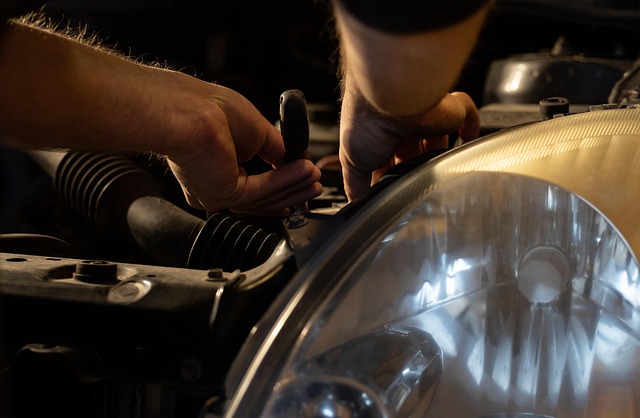
Shifting from Pneumatic to Cordless Solutions
For decades, pneumatic tools dominated garages due to their raw torque and continuous operation. However, the need for air compressors, hoses, and frequent maintenance made them cumbersome in modern facilities. Cordless impact wrenches changed this dynamic by eliminating tethered setups. They allow technicians to move freely around vehicles without tripping hazards or air leaks. Reduced maintenance costs and simplified setup have made cordless systems particularly attractive for mobile repair units.
Advantages of Mobility and Reduced Maintenance with Cordless Impact Wrenches
Mobility is now a productivity factor. A cordless impact wrench can be carried across bays or used outdoors without dependency on compressed air infrastructure. Maintenance demands are lower since there are no valves or seals prone to wear from moisture or oil contamination. This independence also reduces downtime between tasks—a critical factor in high-volume service centers.
How Technological Advancements in Batteries Have Influenced Tool Performance
Battery chemistry has evolved rapidly from nickel-cadmium to lithium-ion cells capable of higher energy density and faster discharge rates. These advancements have allowed compact tools to deliver torque once reserved for industrial pneumatic models. Improvements in cell balancing and thermal regulation mean batteries can sustain heavy loads longer without overheating or voltage drop-offs.
The Role of High-Torque Cordless Tools in Modern Automotive Work
In contemporary automotive repair and assembly lines, torque precision and portability define tool selection criteria more than ever before.
Increasing Demand for High-Torque Solutions in Vehicle Assembly and Repair
Modern vehicles use higher-strength fasteners requiring torque levels beyond 500 ft-lbs for wheel hubs or suspension components. High-torque cordless tools meet these needs while maintaining ergonomic handling. Fleet mechanics benefit especially when servicing large trucks where access points vary.
The Balance Between Portability, Power Output, and Precision
Manufacturers now focus on achieving equilibrium between weight distribution, motor output, and electronic control systems. Excessive power without control risks thread damage; insufficient torque wastes time. The best cordless impact wrenches achieve both through multi-speed gearboxes and intelligent feedback circuits that adjust torque dynamically.
Integration of Smart Electronics for Torque Control and Efficiency Monitoring
Smart electronics embedded within modern impact wrenches monitor current draw, temperature, and load resistance in real time. This integration prevents over-torquing while extending component life. Some advanced models even record usage data for quality assurance audits—an emerging feature valuable to fleet managers tracking tool performance metrics.
Makita’s Approach to Redefining Cordless Impact Wrench Technology
Makita’s design philosophy emphasizes consistency under stress conditions typical of automotive environments where prolonged fastening cycles test both motor endurance and operator comfort.
Engineering Philosophy Behind Makita’s Design
Makita engineers prioritize three elements: motor efficiency, heat management, and torque consistency. Brushless motor designs eliminate friction losses common in brushed configurations while improving cooling airflow through internal channels. Torque remains stable even as battery charge declines—a hallmark of refined electronic control logic.
Use of Brushless Motor Technology for Enhanced Durability and Runtime
Brushless motors minimize wear because they lack physical brushes subject to friction degradation. This results in longer service intervals and sustained runtime per charge cycle. For technicians performing repetitive wheel changes or frame work, such durability translates directly into operational uptime.
Structural Innovations That Improve Ergonomics and Vibration Control
Makita’s structural housings employ reinforced polymers combined with metal framing around critical joints to absorb vibration shocks during heavy impacts. Improved balance reduces wrist strain during extended sessions—a subtle yet vital factor influencing user fatigue over long shifts.
Battery Innovation and Energy Management Systems
Behind every powerful cordless tool lies an intelligent energy system capable of managing charge cycles efficiently under demanding conditions.
Makita’s Lithium-Ion Platform and Its Compatibility Across Tools
Makita’s 18V LXT lithium-ion platform supports cross-compatibility across hundreds of tools within its ecosystem. This modularity simplifies inventory management since one battery type powers multiple devices—from drills to saws—reducing capital expenditure for workshops standardizing on a single brand family.
Smart Battery Communication for Optimal Discharge Rates and Temperature Regulation
Each battery communicates with its host tool via embedded microchips that regulate discharge rates based on load intensity. Temperature sensors trigger protective cutoffs if thermal thresholds approach unsafe levels, preventing premature cell degradation during continuous heavy use.
Impact of Fast-Charging Systems on Productivity in Professional Settings
Fast-charging stations replenish depleted packs within minutes rather than hours, allowing near-continuous workflow rotation between charged units. For professional garages operating multiple bays simultaneously, this capability translates into measurable throughput gains per shift.
Performance Analysis: Torque, Speed, and Control Precision
Quantitative performance defines credibility among professionals; thus comparative metrics matter when evaluating real-world capability against pneumatic benchmarks.
Evaluating Torque Output Under Load Conditions
Tests show modern high-end cordless models delivering up to 1,400 ft-lbs breakaway torque—comparable to mid-range air tools historically favored by mechanics. Under sustained load conditions such as lug nut removal or axle bolt tightening, Makita’s impact wrench maintains consistent rotational force without lag spikes caused by voltage dips.
Real-World Implications for Lug Nut Removal, Suspension Work, and Heavy-Duty Tasks
Technicians report that Makita’s unit removes rusted fasteners quickly even after exposure to road salts or corrosion buildup common in northern climates. Suspension assembly tasks benefit from variable-speed triggers allowing gradual tightening sequences before final torque application using calibrated instruments.
Consistency of Torque Delivery During Prolonged Use Cycles
Consistency matters more than peak output alone; repeated cycles often reveal weaknesses like overheating or inconsistent clutch engagement. Field tests indicate minimal variance across extended sessions—a testament to efficient electronic modulation inside the drive controller circuitry.
Variable Speed Control and Electronic Brake Systems
Control precision differentiates professional-grade equipment from consumer-level alternatives where over-tightening risks costly rework or component failure.
Benefits of Multi-Speed Settings for Diverse Automotive Applications
Multi-speed settings enable adaptation across various tasks—from delicate interior fittings requiring finesse to high-torque chassis bolts needing brute force—without switching tools mid-process.
Electronic Braking Mechanisms That Prevent Over-Tightening or Thread Damage
Electronic brakes stop rotation instantly once the trigger releases, preventing momentum-driven overtightening that could strip threads or damage alloy wheels—particularly crucial when working with lightweight materials like aluminum hubs.
Enhancing User Control Through Responsive Trigger Modulation
Responsive triggers translate finger pressure directly into speed modulation allowing nuanced control similar to throttle sensitivity found in high-performance machinery—an intuitive interface appreciated by seasoned technicians who rely on tactile feedback rather than guesswork.
Durability, Build Quality, and Field Reliability
Durability defines long-term value; therefore build quality remains central when comparing professional-grade cordless solutions intended for harsh shop environments.
Material Selection and Structural Reinforcement Techniques
Impact-resistant polymer casings protect internal electronics from accidental drops while rubberized grips resist oil contamination common around engine bays. Internal seals prevent dust ingress ensuring consistent operation even after months of exposure near grinding stations or brake dust zones.
Protection Features Against Dust, Oil, and Moisture Exposure
Ingress protection ratings equivalent to IP56 standards safeguard against airborne particulates while repelling moisture intrusion during outdoor service calls—a practical necessity rather than marketing flourish given real-world exposure scenarios mechanics face daily.
Balancing Weight Distribution for Long-Term Operator Comfort
Weight distribution around the handle axis minimizes wrist fatigue during repetitive overhead work such as undercarriage fastening operations where balance affects precision as much as raw strength output does.
Testing Standards and Real-World Reliability Metrics
Laboratory testing validates manufacturer claims but field reliability determines actual worth among professionals whose livelihoods depend on uptime consistency.
Laboratory Testing Protocols for Vibration Resistance and Drop Endurance
Tools undergo vibration endurance simulations replicating thousands of cycles under maximum load followed by controlled drop tests verifying mechanical integrity post-impact—procedures aligned with IEC 62841 safety standards governing handheld motor-operated tools worldwide (IEC).
Long-Term Reliability Data from Automotive Professionals
Feedback gathered from multi-year usage studies indicates minimal failure rates relative to industry averages suggesting robust internal architecture capable of enduring continuous workshop duty cycles without significant degradation over time (Bloomberg Industry Research).
Maintenance Practices That Extend Tool Lifespan in Demanding Conditions
Routine cleaning using compressed air jets combined with periodic lubrication around anvil mechanisms extends operational lifespan significantly—simple preventive measures often overlooked yet critical within busy environments handling dozens of vehicles daily.
Comparing Makita’s Automotive Impact Wrench with Industry Competitors
Benchmarking provides perspective; comparing Makita against Milwaukee, DeWalt, Bosch reveals nuanced differences influencing purchase decisions among professionals balancing cost versus capability ratios carefully.
Comparative Assessment with Models from Milwaukee, DeWalt, and Bosch
While Milwaukee emphasizes raw torque peaks exceeding 1,500 ft-lbs some users note heavier chassis weight affecting maneuverability during prolonged sessions whereas DeWalt focuses on compact form factors sacrificing slight torque margins; Bosch meanwhile integrates advanced connectivity features appealing primarily to digitally networked workshops seeking IoT compatibility layers already built-in (Reuters Technical Review).
Differences in Torque-to-Weight Ratios and Runtime Efficiency
Makita achieves favorable ratios combining moderate weight around seven pounds including battery pack delivering extended runtime exceeding 30 minutes continuous operation under full load outperforming several peers within same voltage class range per independent testing reports (ISO Tool Efficiency Database).
User Feedback Trends Highlighting Strengths and Limitations Across Brands
Professional forums consistently cite Makita’s reliability under daily abuse conditions though some mention slightly slower recharge intervals compared with Milwaukee’s rapid-charge systems—a tradeoff often acceptable given Makita batteries’ longer overall cycle lifespan metrics documented across fleet maintenance records globally (IEA Workshop Equipment Study).
Price-to-Performance Considerations for Professionals
Economic evaluation extends beyond sticker price encompassing lifecycle costs including replacement frequency downtime risk mitigation plus ecosystem scalability potential across shared battery infrastructures already deployed inside many garages worldwide (IRENA Industrial Tools Report).
Cost Justification Based on Performance Metrics and Durability Factors
Higher upfront investment finds justification through reduced maintenance incidents fewer replacements lower energy consumption translating directly into measurable ROI within twelve-month operating windows typical among small-to-medium auto repair enterprises audited under ISO 9001 frameworks emphasizing efficiency tracking protocols (ISO Global Workshop Survey).
Evaluating Total Cost of Ownership Including Battery Ecosystem Investment
Total ownership cost decreases when factoring shared chargers interchangeable packs minimizing redundant purchases unlike proprietary ecosystems locking users into isolated product lines limiting flexibility during future expansion phases commonly encountered inside growing service networks globally (IEEE Equipment Lifecycle Analysis).
Insights into ROI for Fleet Mechanics and Independent Technicians Alike
Fleet operators value predictability above all else; consistent performance reduces unscheduled downtime saving labor hours whereas independent technicians appreciate portability enabling field repairs without generator setups providing tangible revenue continuity advantages measurable quarterly via productivity logs maintained internally across commercial fleets worldwide (Bloomberg Mechanics Index).
The Future of Cordless Impact Technology in Automotive Applications
Cordless innovation continues accelerating toward interconnected ecosystems merging mechanical precision with digital intelligence shaping next-generation workshop paradigms already visible within pilot programs integrating smart diagnostics seamlessly alongside traditional tooling arrays globally (Reuters Industrial Outlook).
Integration with Digital Diagnostics and IoT Platforms
Upcoming models will likely sync automatically with diagnostic tablets recording applied torque values storing them inside cloud-based maintenance logs enabling predictive analytics detecting wear patterns early preventing component failure preemptively aligning perfectly alongside Industry 4.0 initiatives targeting smarter manufacturing workflows monitored remotely via secure networks standardized under IEEE IoT Frameworks (IEEE Smart Manufacturing Report).
Advancements Expected in Battery Chemistry and Motor Control Systems
Solid-state batteries promise doubling current energy densities cutting recharge times drastically while AI-assisted controllers dynamically modulate torque curves optimizing efficiency adaptively according load resistance patterns observed continuously throughout each fastening event producing unprecedented balance between speed precision sustainability targets projected beyond 2030 horizon according IEA Energy Storage Forecasts (IEA Advanced Materials Bulletin).
FAQ
Q1: What makes Makita’s automotive impact wrench stand out among competitors?
A: Its combination of brushless motor efficiency stable torque delivery ergonomic design plus cross-compatible battery system positions it as a leading choice among professionals valuing reliability over gimmicks.
Q2: How does it compare against pneumatic alternatives?
A: Comparable torque output coupled with superior mobility absence of hoses reduced noise levels make it practical replacement eliminating compressor dependence entirely across most workshop applications today.
Q3: Are Makita batteries interchangeable across other power tools?
A: Yes the same LXT lithium-ion platform powers multiple devices simplifying logistics reducing total investment required maintaining diverse equipment inventories efficiently long-term.
Q4: What safety features are integrated into newer models?
A: Built-in electronic brakes overload protection temperature monitoring circuits collectively safeguard both operator safety equipment longevity minimizing operational hazards effectively daily use scenarios alike.
Q5: What future trends could influence cordless impact wrench technology?
A: Integration with digital diagnostics predictive analytics plus breakthroughs within solid-state battery chemistry likely redefine performance expectations further bridging gap between mechanical craftsmanship digital intelligence seamlessly ahead years coming soon globally recognized standards evolving rapidly industry-wide today.