
Is the Adjustable Speed Grinder Redefining Precision in the Bosch 18V GWS18V-11PSN Review
Control Meets Convenience: Bosch 18V GWS18V-11PSN Angle Grinder Review
The Bosch 18V GWS18V-11PSN represents a fine balance between raw power and ergonomic control. Designed for professionals who move between fabrication, construction, and finishing tasks, this adjustable speed grinder delivers consistent torque and runtime in a portable form. Its brushless motor and robust safety systems make it one of the most refined cordless grinders in Bosch’s 18V Professional lineup. In essence, it’s built not only to cut or grind but to do so with precision and endurance that rival corded units.
Overview of the Bosch 18V GWS18V-11PSN Angle Grinder
Bosch’s engineering approach with this model focuses on maximizing mobility without losing industrial-grade reliability. The tool integrates advanced electronics with mechanical durability, offering a compact yet powerful platform for diverse materials.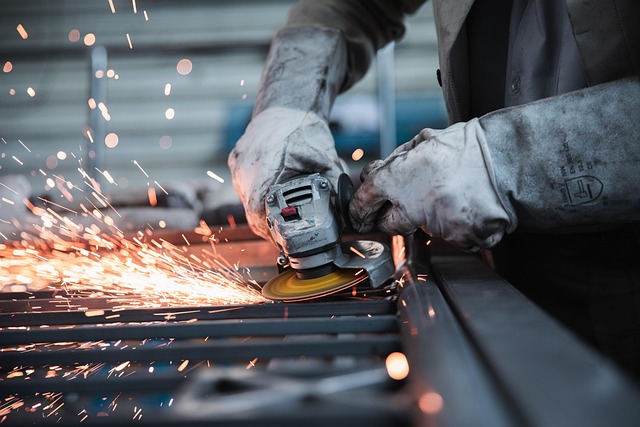
Key Design and Engineering Highlights
The GWS18V-11PSN features a compact body structure that allows operators to maneuver efficiently in restricted spaces. Its magnesium gear housing and reinforced polymer casing provide high impact resistance suited for workshop or site use. The brushless motor design contributes to longer lifespan and reduced maintenance intervals compared to brushed counterparts, while maintaining consistent torque output even under heavy load.
Core Specifications and Technical Data
With a no-load speed range reaching up to 9,000 RPM, the grinder offers flexibility across metalwork, masonry, and finishing tasks. It is fully compatible with the Bosch Professional 18V battery system, enabling cross-tool battery sharing among drills, saws, and impact drivers. The balanced weight distribution minimizes wrist strain during prolonged sessions—an important factor when cutting thick steel or polishing concrete edges.
The Role of Adjustable Speed in Precision Grinding
Variable speed capability transforms how professionals handle different substrates. Instead of relying on fixed RPMs that may overheat or damage materials, electronic control allows fine-tuned performance for each application.
Understanding Variable Speed Control Mechanisms
Electronic speed adjustment enables smooth transitions between low-speed polishing and high-speed grinding operations. This flexibility helps maintain surface integrity across metals, ceramics, or composites. By adapting RPMs based on resistance feedback, the tool reduces heat buildup and extends disc life—especially valuable when switching from coarse removal to precision finishing.
Performance Implications for Different Applications
In metal fabrication, variable speed ensures consistent grinding depth on stainless steel or aluminum without discoloration from excessive heat. When working on masonry surfaces like granite or tile, slower speeds prevent edge chipping while maintaining clean lines. For finishing stages, gradual acceleration produces finer surface textures with minimal swirl marks—a critical factor in automotive refinishing or architectural detailing.
Portability and Power Efficiency in a Cordless System
Mobility has become essential as job sites demand faster setup times and fewer cables around hazardous zones. Bosch’s portable angle grinder meets this need by merging cordless freedom with uncompromised torque delivery.
Evaluating the Portable Angle Grinder’s Mobility Advantages
Cordless operation eliminates extension cords cluttering work areas while allowing unrestricted movement around scaffolding or confined corners. The compact grip design supports overhead grinding where traditional corded units feel cumbersome. Despite its portability, the GWS18V-11PSN maintains cutting efficiency comparable to many plug-in grinders rated at similar wattage levels.
Battery Performance and Runtime Analysis
Bosch’s 18V lithium-ion batteries deliver steady voltage under continuous load conditions typical of industrial use. Integrated thermal management prevents overheating during extended grinding cycles. Fast-charging compatibility further reduces downtime between shifts—an advantage for field technicians who rely on multiple tools throughout the day.
Safety Enhancements and User-Centric Features
Professional-grade grinders must balance performance with operator protection. Bosch integrates several electronic safeguards that intervene before mechanical stress becomes dangerous.
Integrated Safety Systems for Professional Use
Anti-kickback control mitigates sudden torque reactions when discs bind unexpectedly in dense material. The electronic brake stops rotation almost instantly after trigger release, reducing accidental contact risks during repositioning. Its adjustable guard shields users from debris projection while preserving clear sightlines along cutting paths.
Ergonomic Considerations and Handling Comfort
Long hours of grinding can lead to fatigue; hence vibration reduction plays a major role here. Rubber dampening elements within the handle reduce transmitted vibration levels significantly compared to older models. The auxiliary handle can be mounted on either side of the head for ambidextrous operation at varied angles. Trigger response is tuned for precise modulation rather than abrupt surges—important when feathering edges or blending weld seams.
Comparative Insights: Adjustable Speed vs Fixed-Speed Grinders
Professionals often debate whether variable-speed tools justify their higher price tags compared to simpler fixed-speed designs.
Operational Flexibility Across Material Types
Adjustable speed grinders excel in versatility—they adapt easily from soft aluminum polishing to aggressive rust removal on carbon steel plates. Fixed-speed versions remain ideal for repetitive production lines where uniform removal rates matter more than adaptability.
Efficiency Trade-offs in Professional Environments
Variable-speed systems consume slightly more energy due to active electronic regulation but compensate through reduced tool wear and better surface outcomes. Maintenance complexity increases marginally because control circuits require periodic inspection unlike mechanical-only fixed-speed setups; however, overall productivity gains often outweigh these factors in precision-focused industries.
Evaluating Long-Term Value and Investment Perspective
Beyond immediate performance metrics lies the question of durability under industrial workloads—a key determinant of return on investment for contractors or fabricators.
Durability Under Industrial Workloads
The brushless architecture resists carbon dust accumulation that typically shortens motor life in conventional grinders. Cooling channels direct airflow efficiently around internal components to sustain optimal operating temperatures even amid dust-heavy conditions such as rebar cutting or stone shaping projects.
Productivity Gains Through Enhanced Control Features
Precision adjustment reduces rework caused by over-grinding delicate edges or uneven finishes. Over time this translates into measurable time savings per project cycle. With fewer consumables wasted through overheating or premature wear, total ownership costs decline despite higher upfront pricing—making it a strategic choice for long-term professional fleets.
FAQ
Q1: What distinguishes the Bosch 18V GWS18V-11PSN from other cordless grinders?
A: Its combination of brushless powertrain, variable speed control, and advanced safety electronics provides near-corded performance while remaining fully portable within the Bosch Professional 18V ecosystem.
Q2: How effective is its adjustable speed feature?
A: It allows seamless adaptation across materials—from low-speed polishing on aluminum panels to high-speed grinding on hardened steel—without compromising finish quality.
Q3: Can it handle continuous industrial workloads?
A: Yes, its cooling design and brushless motor enable sustained operation under heavy-duty cycles typical in fabrication shops or construction sites.
Q4: Does battery life limit productivity?
A: Runtime depends on load intensity but remains competitive due to efficient energy management; quick charging options further minimize idle periods between uses.
Q5: Is it suitable for precision finishing tasks?
A: Absolutely; controlled RPM adjustment combined with low vibration output allows fine surface refinement required in automotive repair or architectural metalwork applications.