
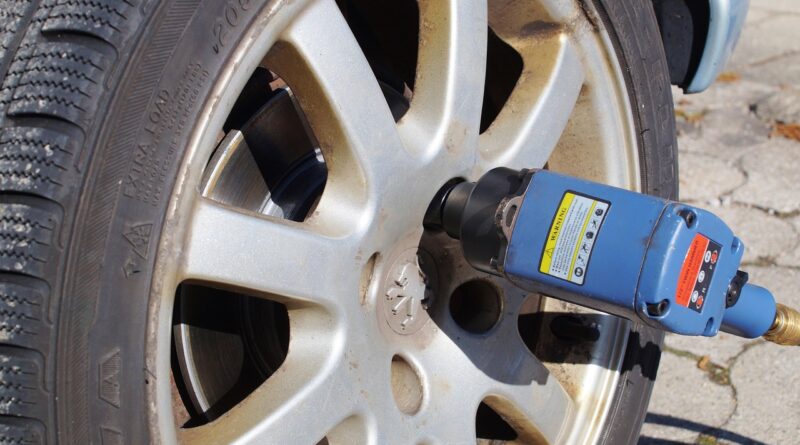
Impact wrench tool guide for torque, sockets and safe use
An impact wrench tool is built for a specific purpose: delivering repeated rotational blows that loosen or run down high-torque fasteners faster than a hand wrench can. It is widely used in automotive wheel service, equipment repair, structural work, and shop maintenance, but it should not be treated as a precision torque tool. When a fastener has a specified final torque, the safer workflow is to use the impact wrench for removal or snugging, then finish with a calibrated torque wrench. This guide explains how impact wrenches work, how cordless and pneumatic models compare, what torque ratings mean in practice, why impact-rated sockets matter, and how to choose a tool that fits the work instead of simply chasing the highest number. For more tool-type overviews, visit the Tool Categories section.
What an impact wrench tool is designed to do
An impact wrench combines rotation with a hammering mechanism. Instead of relying on the user to apply steady force through a long handle, the motor accelerates an internal hammer that strikes an anvil. Those short impacts help overcome corrosion, thread friction, and clamp load that may stop a normal ratchet.
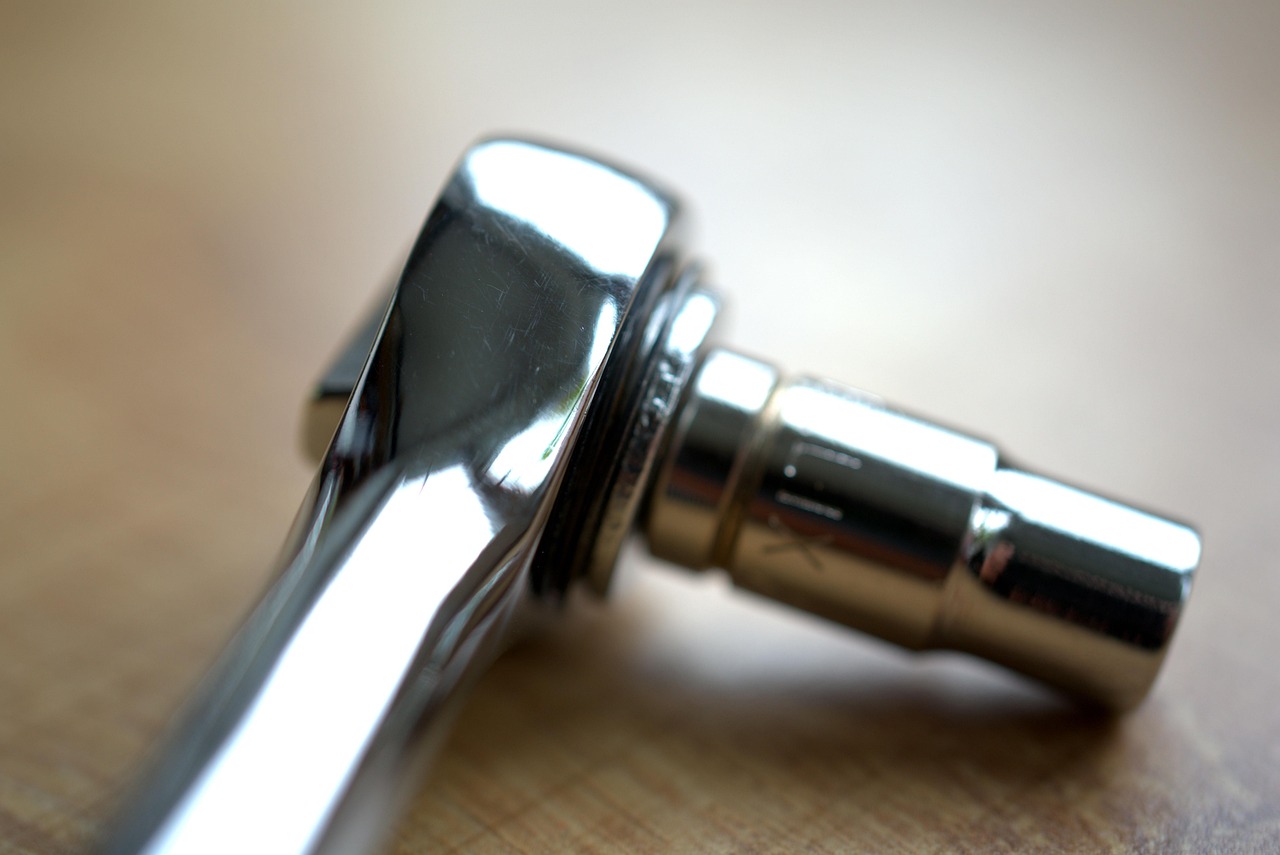
This design makes the tool especially useful for removal work. Common examples include lug nuts, suspension bolts, mower blade nuts, machinery covers, flange bolts, and large lag or anchor fasteners. The same hammering action also means torque delivery is not smooth or perfectly repeatable. Battery charge, air pressure, hose size, socket mass, extension length, lubrication, thread condition, and the number of impacts can all affect the final clamp load.
That is why an impact wrench should be viewed as a speed and force tool, not a measuring tool. Public guidance from automotive service organizations and wheel-hardware suppliers points in the same direction: use an impact wrench to remove or lightly snug wheel fasteners, then use a torque wrench for final tightening to the vehicle or equipment specification.
Cordless, pneumatic and corded impact wrenches compared
The first buying decision is usually the power source, not the advertised torque figure. A compact cordless wrench can be the best fit for mobile work, while an air impact wrench may still make sense in a shop that already has a compressor and air lines. Corded electric models remain useful in some fixed work areas, although they are less flexible around vehicles, lifts, yards, and jobsite repairs.
| Type | Strengths | Limits | Typical fit |
|---|---|---|---|
| Cordless impact wrench | Portable, quick to set up, no hose, strong performance in modern battery platforms | Runtime depends on battery capacity and temperature; batteries and chargers add cost | Mobile mechanics, home garages, field service, construction punch-list work |
| Pneumatic impact wrench | Light tool body, long duty cycle, proven in production and tire service environments | Needs compressor capacity, correct hose diameter, air filtration and lubrication where specified | Repair shops, fleet bays, industrial maintenance, repeated wheel or equipment work |
| Corded electric impact wrench | No battery charging, steady power where outlets are available | Cord management, extension-cord limits, less convenient around large work areas | Garage users with fixed work areas, occasional heavy fastening near power |
For cordless models, voltage alone does not tell the whole story. Battery pack design, cell condition, electronics, motor efficiency, and thermal protection all affect sustained output. For pneumatic models, the compressor must support the tool’s air consumption at the pressure specified by the manufacturer. A high-torque air wrench connected through an undersized hose or restrictive coupler can feel weak because the tool is not receiving enough air volume.
Torque ratings, drive sizes and fastener fit
Impact wrench listings often show several torque numbers. Breakaway torque usually refers to the tool’s ability to loosen a previously tightened fastener. Fastening torque describes tightening output under test conditions. Nut-busting torque is a marketing phrase often used for removal performance. These values are useful for comparing tools in the same class, but they do not guarantee that every bolt in the field will loosen instantly.
Drive size is often a better first filter than maximum torque. Small drives are easier to control in tight areas, while larger drives are intended for bigger sockets and heavier fasteners.
- 1/4 inch and compact 3/8 inch: Light mechanical work, small brackets, motorcycles, small engines, and tight access where control matters.
- 3/8 inch: General automotive and equipment maintenance where a compact tool is useful but more strength is needed than an impact driver can provide.
- 1/2 inch: The common all-around size for lug nuts, suspension work, mower blades, trailer hardware, and many shop tasks.
- 3/4 inch and 1 inch: Heavy truck, agricultural, industrial, structural, and large machinery fasteners where socket size and fastener load exceed normal garage tools.
For wheel service, the important distinction is removal torque versus installation torque. An impact wrench may remove a tight lug nut efficiently, but final installation should follow the equipment maker’s specified value and tightening pattern. Tire service training often emphasizes a sequence similar to remove, inspect, snug, and torque. The aim is not only to reach a number, but also to produce even clamp load without damaged studs, distorted wheels, or loose hardware.
Why impact-rated sockets and retainers matter
Impact sockets are not simply regular sockets with a darker finish. Standards bodies such as ASME and ISO publish requirements for socket wrenches, handles, attachments, and machine-operated impact sockets. For users, the practical point is straightforward: use sockets and accessories marked for impact use when working with an impact wrench.
Hand sockets are commonly designed for steady manual torque. Impact sockets and impact extensions are built for repeated shock loading. A non-impact socket may crack, deform, wear the fastener, or shed plating under impact loads. The risk increases as drive size, tool output, and fastener resistance increase.
Retainer style also affects day-to-day use. Many 1/2 inch impact wrenches use a friction ring, often called a hog ring, because it allows quick socket changes. Pin detent anvils provide a more positive lock and are often preferred where socket retention is critical, such as elevated work or heavy equipment service. The tradeoff is speed: pin detents can be slower to change, especially with gloves.
Extensions, adapters, wobble joints, and universal joints are useful, but they can reduce delivered torque and add side loading. Use the shortest impact-rated accessory that gives safe access. If a critical fastener requires a precise result, remove the uncertainty by checking final torque with the correct measuring tool. See also: Brands.
Safe operating checklist before the trigger is pulled
Impact wrenches look simple, but they combine high torque, rotating mass, flying-debris risk, noise, and stored energy. Public safety references from OSHA and CCOHS emphasize inspection, correct accessories, personal protective equipment, and safe handling of power tools and pneumatic hoses. In workplaces, applicable employer duties may also include training, exposure assessment, and removal of defective tools from service.
- Inspect the tool: Check the anvil, trigger, housing, battery rails, cord, hose fitting, and direction selector before use.
- Match the socket to the fastener: Use the correct size, fully seat the socket, and avoid rounding damaged hardware.
- Wear eye protection: Rust, plating, socket fragments, and debris can become projectiles.
- Control noise exposure: Impact tools can be loud, especially in enclosed shops. OSHA’s general industry hearing conservation action level is based on an 8-hour time-weighted average of 85 dBA, so repeated use should be evaluated seriously.
- Secure pneumatic hoses: For air tools, use sound couplings and whip checks or safety devices where required by the worksite. Do not carry an air tool by the hose.
- Respect batteries: Lithium-ion tool batteries should be charged and stored according to the manufacturer’s instructions. Damaged, overheated, swollen, or water-exposed packs should be removed from service.
- Start threads by hand: When installing nuts or bolts, hand-starting reduces cross-threading and gives the operator a chance to feel damaged threads before power is applied.
- Use lower settings for installation: Many cordless tools have modes that reduce speed or stop after a few impacts. These are useful for snugging, but they still do not replace final torque verification.
Maintenance and selection tips that prevent wasted money
The right impact wrench is the one that removes the fasteners you actually face while remaining controllable for the work you do most. A heavy high-torque wrench may be frustrating for under-hood work. A compact wrench may be excellent on brackets but slow on rusted suspension bolts. Before buying, list the largest common fasteners, the working space, how often the tool will be used, and whether the work is mobile or shop-based.
For cordless buyers, consider battery platform depth as much as the bare tool. If the same battery works with lights, drills, saws, grinders, and chargers already in the shop, the overall system may be more valuable than a small torque difference. For pneumatic buyers, verify compressor output, tank size, hose diameter, couplers, lubrication requirements, and moisture control. Air tools can be durable, but dirty or wet air shortens tool life.
Routine maintenance is straightforward. Keep the anvil clean, remove packed dirt from vents, inspect sockets for cracks or stretched drive squares, and follow the manufacturer’s lubrication instructions. Store batteries away from heat and metal objects that could short contacts. For air tools, drain compressor tanks as specified and use clean, dry air. If the tool suddenly loses power, do not keep hammering indefinitely; check the battery, air supply, socket fit, fastener condition, and tool settings.
Frequently asked questions
Can an impact wrench replace a torque wrench?
No. An impact wrench can loosen or snug fasteners quickly, but it does not measure final clamp load accurately enough for torque-critical work. Use a calibrated torque wrench for final tightening when a manufacturer specifies a torque value.
Is a cordless impact wrench strong enough for lug nuts?
Many modern 1/2 inch cordless impact wrenches can remove typical passenger-vehicle lug nuts, assuming the battery is charged and the hardware is not severely corroded or over-tightened. Final tightening should still be completed with a torque wrench to the vehicle specification.
What is the difference between an impact driver and an impact wrench?
An impact driver usually has a 1/4 inch hex collet and is designed mainly for screws, small bolts, and driving tasks. An impact wrench usually has a square drive anvil for sockets and is designed for higher-torque nuts and bolts.
Should I buy the highest torque model available?
Not automatically. More torque can help with rusted or large fasteners, but it also adds weight, cost, and risk of damage when used carelessly. Match drive size and torque class to the work: compact for access and control, mid-torque for general repair, and high-torque for heavy removal.
Can I use regular chrome sockets on an impact wrench?
Use impact-rated sockets whenever an impact wrench is involved. Regular hand sockets are not designed for repeated hammering loads, especially on powerful 1/2 inch, 3/4 inch, or 1 inch tools.