Impact driver hand tool guide for fastening, drilling, and safety
What an impact driver hand tool actually is
An impact driver hand tool is a compact handheld electric fastening tool. It is not a direct replacement for every drill, screwdriver, or wrench. Its main job is to drive screws, lag screws, nut drivers, and small bolts using fast rotation, then adding short rotational impacts as resistance increases. That pulsing action helps keep the bit moving under load while reducing the steady twisting force that a drill can send back into the wrist.
In day-to-day work, an impact driver is most useful for repeated fastening, dense material, long screws, and tight access. It is less suitable for delicate torque control, clean drilling with round-shank bits, masonry drilling, or large automotive fasteners.
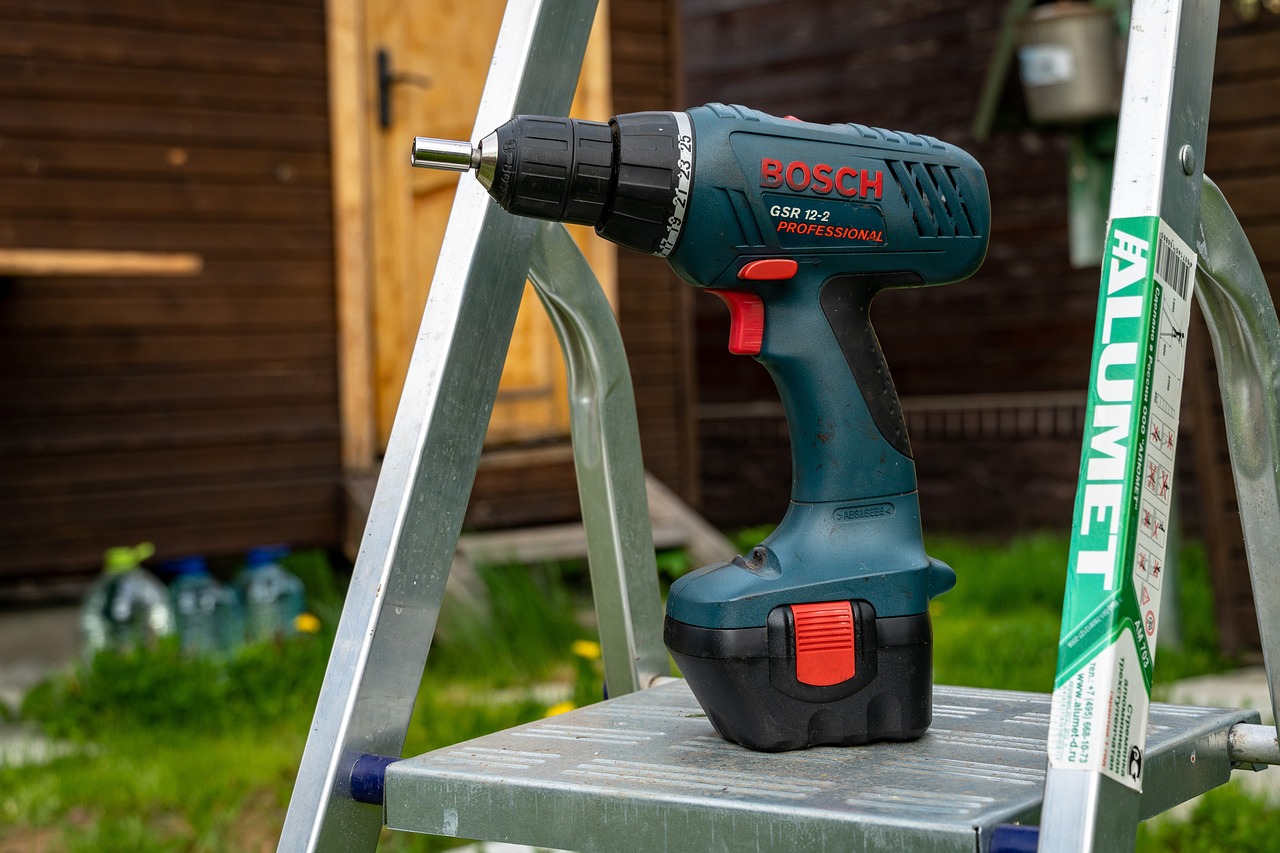
The key mechanical difference is how the tool delivers force. A drill applies continuous rotation through a chuck. An impact driver adds rapid twisting blows through a hammer-and-anvil mechanism once the fastener starts to resist. DeWalt’s support material describes impact drivers and impact wrenches as tools that pulse twisting force in short, powerful blows rather than relying only on continuous force. (support.dewalt.com) Most cordless impact drivers use a quick-change 1/4-inch hex collet instead of a three-jaw drill chuck, so they accept hex-shank driver bits, nut drivers, adapters, and some impact-rated drill bits.
The phrase impact driver hand tool can also be confusing because manual impact drivers exist. Those tools are struck with a hammer and are often used to loosen stuck screws in mechanical work. This guide focuses on the cordless or electric handheld impact driver used in construction, woodworking, installation, repair, and general fastening. If the task is breaking loose heavily rusted lug nuts, the better category is usually an impact wrench, breaker bar, or torque tool.
Where an impact driver is the right tool
An impact driver earns its place when the fastener is the main challenge. It is a strong fit for deck screws, construction screws, cabinet installation screws used with care, self-drilling screws in light-gauge metal, framing connectors where the fastener manufacturer allows powered installation, and repetitive assembly where speed matters. The compact nose and quick bit change are also useful in corners, between studs, inside cabinets, and above shoulder height.
It is not automatically the right tool just because a screw is involved. Small brass screws, soft trim screws, electrical device screws, hinge screws in finished cabinetry, and any fastener with a specified final torque usually need more control than a typical high-power impact driver provides. For these jobs, a clutch-equipped drill/driver, installation driver, torque screwdriver, or hand screwdriver may give a cleaner result.
- Use it for: repetitive screwdriving, long wood screws, nut drivers, small bolts, compact access, and dense fastening jobs.
- Use a drill/driver instead for: pilot holes, round-shank drill bits, hole saws, delicate screwdriving, and tasks that need an adjustable clutch.
- Use a hammer drill or rotary hammer instead for: drilling into concrete, brick, block, and masonry.
- Use an impact wrench instead for: automotive lugs, large bolts, heavy equipment fasteners, and square-drive socket work that needs much higher breakaway torque.
A practical rule is to drill the hole with the tool that makes the cleanest hole, then drive the fastener with the tool that gives the right balance of speed and control. On many jobs, that means carrying both a drill/driver and an impact driver rather than forcing one tool to do everything.
Impact driver vs drill, hammer drill, impact wrench, and manual impact driver
Many buying mistakes come from treating all rotating tools as interchangeable. The table below separates the common choices by mechanism and best use.
| Tool | How it works | Best use | Main limitation |
|---|---|---|---|
| Impact driver | 1/4-inch hex collet with rotational impacts under load | Driving screws, nut drivers, and smaller bolts quickly | Less precise torque control and not ideal for clean drilling |
| Drill/driver | Three-jaw chuck with continuous rotation and usually a clutch | Drilling holes, pilot holes, and controlled screwdriving | Can twist the wrist under high load and may be slower for long fasteners |
| Hammer drill | Rotates while adding forward hammering action | Drilling masonry with suitable bits | Not designed to replace an impact driver for fastening torque |
| Impact wrench | Square drive with heavier rotational impacts | Large nuts and bolts, automotive and mechanical work | Often too strong and bulky for screws and light assembly |
| Manual impact driver | Converted hammer strike turns the bit slightly | Freeing stuck screws by hand | Not a production fastening tool |
For most homeowners and installers, the drill/driver and impact driver are a pair, not competitors. The drill handles holes and clutch-controlled fastening; the impact driver handles speed and resistance. For mechanics, the impact driver can be useful for interior trim, covers, shields, brackets, and light fasteners, but it should not be treated as a substitute for a properly sized impact wrench or calibrated torque wrench.
Specifications that matter before buying
Published torque is often the first number shoppers notice, but it should not be the only decision point. Real fastening performance depends on the battery, motor, gearing, impact mechanism, bit fit, screw type, material, pilot hole, and user technique. A very high-torque impact driver without good speed control can damage screws faster than a more moderate tool with better modes.
| Specification | Why it matters | What to look for |
|---|---|---|
| Battery platform | Determines compatibility, runtime, and future tool cost | Choose a platform you already own or plan to expand |
| Voltage class | Affects size, power, and weight | 12V-class tools suit light installation; 18V or 20V Max-class tools suit heavier fastening |
| Speed settings | Help prevent overdriving and broken screws | Prefer at least two or three modes for mixed work |
| Impact rate | Shows how frequently the mechanism can strike under load | Useful for comparison within a brand, but not a stand-alone quality measure |
| Collet and bit access | Affects daily convenience | A one-handed 1/4-inch hex collet is common and practical |
| Brushless motor | Can improve efficiency, compactness, and electronic control | Worth considering for frequent use or pro work |
| Weight and nose length | Influence fatigue and access | Compact tools are often better for overhead and cabinet work |
Noise and vibration should also be part of the buying decision. An impact driver can be less wrist-twisting than a drill during heavy fastening, but the impacting action is loud and sends vibration through the tool. For indoor remodeling, occupied buildings, and long work sessions, speed is not the only comfort factor.
Bits, sockets, and setup details that change the result
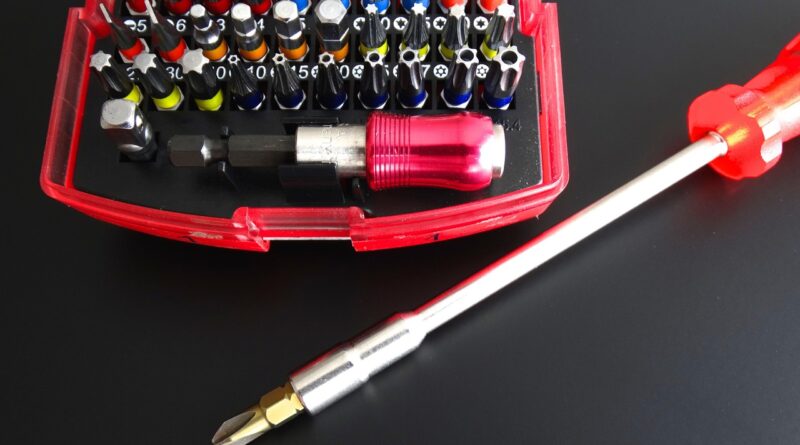
The accessory is the part that actually contacts the fastener, so a good impact driver with poor bits can still perform badly. Use the correct drive style and size, keep the bit square to the screw, and replace rounded bits before they start camming out. Torx, square, and hex fasteners often tolerate impact driving better than worn Phillips screws, but the right choice depends on the fastener and the project.
For repeated impact-driver use, choose impact-rated driver bits, nut drivers, bit holders, and adapters. Manufacturer accessory lines from companies such as Makita and Milwaukee are specifically marketed for high-torque impact-driver applications, and Makita describes its impact-rated fastening accessories as built for the demands of professional high-volume screwdriving. (makitatools.com) That does not mean every standard bit will fail instantly, but impact-rated bits are designed for the shock loads that make impact drivers useful in the first place.
Predrilling still matters. In hardwood, near board ends, in brittle trim, or with large structural screws, a pilot hole can reduce splitting, broken fasteners, and poor seating. The impact driver supplies torque; it does not change the physics of wood movement, grain direction, or fastener geometry. Follow the screw manufacturer’s installation guidance when the fastener is structural or code-relevant.
Be especially cautious with socket adapters. A 1/4-inch hex-to-square adapter can help with small nuts and light bolts, but it does not turn an impact driver into a full impact wrench. Avoid using worn sockets, poorly fitting adapters, or accessories that are not rated for impact service in high-load work. OSHA’s construction hand-tool rule also emphasizes that employers must not permit unsafe hand tools and specifically warns against defective wrenches and damaged impact tools. (osha.gov) See also: Brands.
Safety and ergonomics for impact driver use
Impact drivers look small, but they are still powered hand tools. Keep fingers away from the bit and fastener, remove the battery before changing accessories on a cordless tool, and do not carry the tool with a finger resting on the trigger. Use eye protection when driving screws, drilling with hex-shank bits, or working around metal because broken bits, screw fragments, and debris can move quickly.
OSHA’s construction standard for hand-held powered drills and fastener drivers requires momentary-contact on-off controls and allows lock-on controls only when shutoff can be done by a single motion of the same finger or fingers that turned the tool on. (osha.prod.pace.dol.gov) OSHA guidance for electric tools also highlights practical precautions such as keeping work areas well lighted, using appropriate gloves and footwear where suitable, and avoiding carrying plugged-in tools with a finger on the switch. (osha.gov) Cordless tools remove the cord hazard, but they do not remove the need for trigger discipline, accessory inspection, or stable footing.
Vibration deserves attention during long fastening sessions. NIOSH has warned that vibrating hand tools can contribute to vibration syndrome, with circulatory and nerve effects in the fingers, and recommends work practices that reduce exposure, including keeping tools maintained, using a lighter grip when safe, and taking breaks during continuous exposure. (cdc.gov) Gloves may help with warmth and hand protection, but they should not be treated as a complete vibration-control solution. ANSI/ISEA 105-2024 classifies hand protection for performance properties such as cut resistance, puncture resistance, abrasion resistance, and vibration reduction, which can help buyers compare gloves for the hazard rather than choosing by appearance alone. (webstore.ansi.org)
How to decide if you need one
If you already own a drill/driver and often drive long screws, install hardware, build decks, assemble framing, hang cabinets, work with light-gauge metal, or swap between many driver bits, an impact driver is a practical addition. If you mostly drill holes, assemble small furniture, install delicate hardware, or work on torque-sensitive parts, a drill/driver or hand tool may still be the better first choice.
For a first cordless-tool purchase, a drill/driver is usually the more versatile single tool because it accepts more drill bits and usually includes clutch control. For a growing toolkit, a drill plus impact driver combo can save time because one tool can stay set up with a drill bit while the other carries the driver bit. Professionals should prioritize platform compatibility, compact size, useful modes, battery availability, and service support over headline torque alone.
Readers comparing broader power-tool families can browse more tool categories to place impact drivers alongside drills, saws, grinders, and fastening accessories. The main takeaway is not that an impact driver is always stronger or always better. It is better when the work calls for fast fastening, compact access, and pulsed torque; it is the wrong choice when the job needs clean drilling, quiet control, calibrated torque, or heavy square-drive bolt work.
Frequently asked questions
Can an impact driver be used as a drill?
Yes, but only with suitable hex-shank drill bits, and it is not the best choice for every hole. A drill/driver gives cleaner control, accepts standard round-shank bits, and is usually better for pilot holes, large bits, hole saws, and precision drilling. An impact driver can be convenient for quick rough holes when the bit and material are appropriate.
Is an impact driver better than a drill?
It is better for many fastening jobs, especially long screws and repetitive driving. A drill is better for drilling holes and controlled screwdriving with a clutch. The best choice depends on whether the main task is making a hole or driving a fastener.
Is an impact driver considered a hand tool?
In everyday language, it is a handheld tool because it is operated by hand. More precisely, a cordless impact driver is a portable power tool. It should be handled with the same care as other powered hand tools, including eye protection, stable positioning, correct accessories, and trigger control.
Can an impact driver remove lug nuts?
It may remove some lightly tightened small fasteners with an adapter, but it is not the right tool for wheel lug nuts. Lug nuts require the correct loosening tool and proper final tightening with a torque wrench. A dedicated impact wrench is the impact tool category designed for heavier nut and bolt work.
Do I need impact-rated bits?
For occasional light use, a standard bit may work, but impact-rated bits are the better choice for repeated fastening, dense materials, long screws, and professional use. They are designed to tolerate shock loading more effectively than ordinary bits.