
How to choose a small grinder tool for cutting, grinding, and finishing
What a small grinder tool is
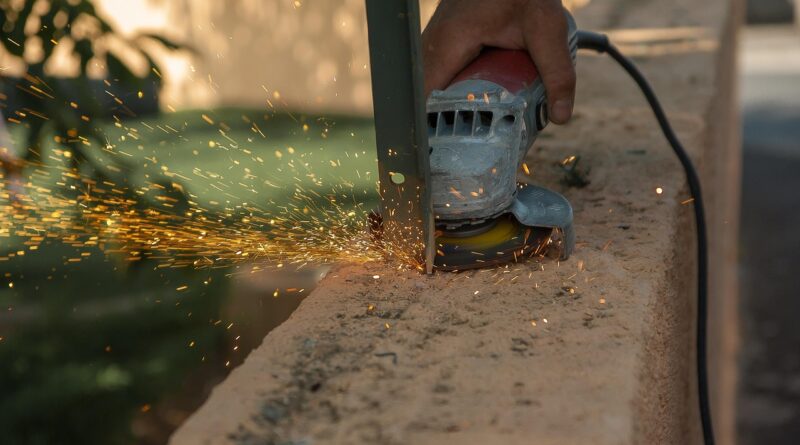
A small grinder tool is usually a compact handheld grinder used for cutting, grinding, deburring, rust removal, surface preparation, and finishing. In most tool categories, the term first points to a small angle grinder in the 4-1/2 in. or 5 in. class, although die grinders and rotary tools may also fit the description when the work is more detailed. The right choice depends less on the label on the box and more on four practical points: the material, the working space, the accessory required, and whether the tool has the safety controls needed for a fast-spinning abrasive wheel.
For a broader view of related tool families, see the Tool Categories section. A compact grinder is not a single-purpose tool, but it is not a replacement for every saw, sander, or polisher either. It works best when the wheel type, guard, speed rating, and user technique all match the application.
Small angle grinder, die grinder, or rotary tool
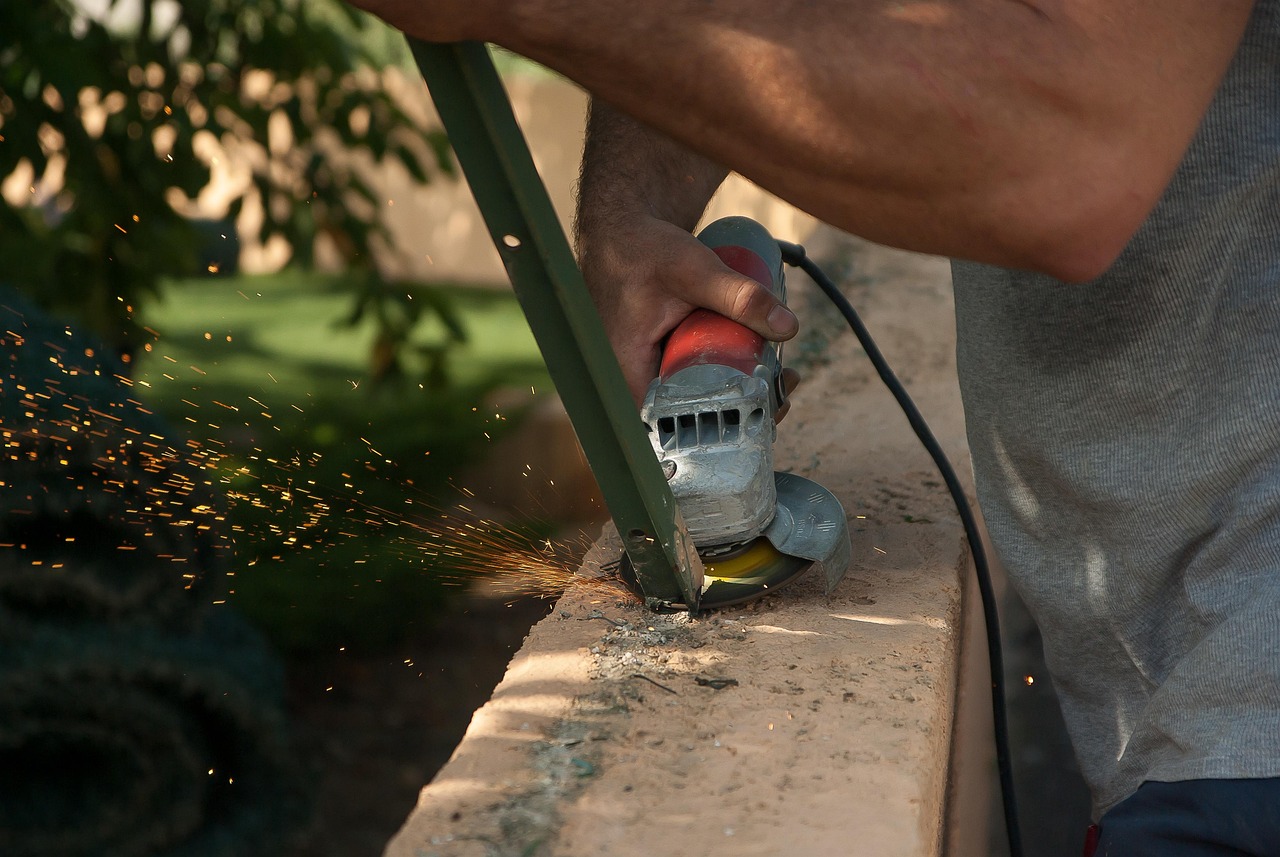
Searches for a small grinder tool often include several different tools. They overlap in some uses, but they are not interchangeable. A small angle grinder is the most versatile option for general metalwork, masonry touch-ups, tile cuts, weld cleanup, and surface preparation. It holds a disc at a right angle to the motor body and is normally controlled with two hands.
A die grinder is slimmer and is often used with mounted points, carbide burrs, small cut-off wheels, or sanding rolls. It is better suited to inside corners, port work, fabrication cleanup, and other jobs where a full-size disc cannot reach. Pneumatic die grinders are common in shops with compressed air, while cordless and corded electric versions are useful for mobile work.
A rotary tool is smaller again. It is useful for engraving, model work, very light grinding, small polishing tasks, and hobby-level detail cutting. It is not designed to remove heavy welds or cut thick steel. The choice among the three is mainly about scale: angle grinders remove material quickly, die grinders reach tight spaces, and rotary tools provide fine detail control.
| Tool type | Best fit | Main limitation |
|---|---|---|
| Small angle grinder | Metal cutting, grinding, weld cleanup, masonry and tile work with the correct wheel | Needs room for the disc and requires strong control |
| Die grinder | Deburring, shaping, inside corners, burr work, tight access | Smaller accessories remove material more slowly |
| Rotary tool | Detail work, hobby tasks, light grinding and polishing | Not suited to heavy cutting or large surface removal |
Disc size and power source matter more than headline power
For many buyers, the most practical small grinder size is 4-1/2 in. or 5 in. This compact range is common across major power tool brands. A 4-1/2 in. grinder is easier to handle in tight spaces and often feels more precise. A 5 in. grinder gives slightly more reach and wheel life while still staying compact enough for common workshop and jobsite tasks.
Do not choose disc size only by cutting depth. Larger wheels can reduce maneuverability, and a deeper cut is not always safer or cleaner. For trimming bolts, cleaning welds, removing rust, cutting thin sheet, or preparing edges, a compact wheel is usually adequate. If the job regularly involves thick structural steel, long masonry cuts, or production grinding, a larger grinder or a different tool may be more suitable.
Corded small grinders
Corded models remain a strong choice where the work is long, repetitive, or power demand is high. They avoid battery management, maintain steady output when plugged into a suitable supply, and are often cost-effective for shops that already have power at the bench. They fit extended grinding, frequent flap-disc use, and tasks where the cord will not create a snagging hazard.
Cordless small grinders
Cordless models are valuable for repair work, field installation, outdoor cutting, and quick jobs away from an outlet. Brushless motors, higher-capacity battery packs, and electronic controls have made compact cordless grinders more capable than older designs. The trade-off is runtime. Cutting and grinding are high-load applications, so battery size, charge planning, and tool temperature matter more than they do with drills or impact drivers.
Match the wheel to the job before you judge the tool
A small grinder tool is only as useful as the accessory installed on it. A grinding wheel, cut-off wheel, flap disc, wire wheel, diamond blade, and backing pad all behave differently. The wrong accessory can give poor results and may create serious risk, especially if a wheel is side loaded when it was not designed for that use.
- Cut-off wheels are made for cutting along the wheel edge. They should not be used for side grinding.
- Grinding wheels remove material from metal, clean welds, and shape edges when used at the proper angle.
- Flap discs combine grinding and finishing, making them useful for smoothing welds and preparing surfaces for paint.
- Wire wheels and brushes remove rust, paint, scale, and debris, but they can throw wires and require careful PPE.
- Diamond blades are used for tile, stone, concrete, or masonry when the blade is rated for the grinder and material.
- Sanding or polishing accessories may need variable speed. A full-speed grinder can be too aggressive for some finishing work.
The wheel speed rating is critical. OSHA safety guidance highlights compatibility between the wheel maximum RPM and the grinder motor speed. In practical terms, the accessory must be rated for at least the maximum speed of the grinder. The arbor, flange, guard type, and wheel diameter must also match. Never force an accessory onto a spindle, enlarge a wheel hole, or run a wheel without the guard required for that setup.
Safety features that should influence your choice
Compact size can make a grinder look simple, but the disc still rotates at very high speed. Safety should be part of the buying decision, not something added later. OSHA rules for abrasive wheel machinery and portable powered tools emphasize guarding, wheel inspection, and speed compatibility. CCOHS portable grinder guidance also stresses eye and face protection, secure handling, and correct mounting procedures.
Look for a grinder with a guard that adjusts easily and stays in position. If a guard is awkward to use, operators are more likely to remove it, which is the wrong direction for any abrasive wheel task. For right-angle and vertical portable grinders, OSHA guidance states that the guard should limit wheel exposure and be positioned between the operator and the wheel during use. The same principle is useful outside regulated workplaces: the guard is part of the tool system.
Switch design
A paddle switch with lock-off can reduce accidental starts and is common on many professional compact grinders. Slide switches are familiar and convenient for some users, but lock-on operation may be inappropriate for certain jobsite rules or tasks where immediate release is important. Choose the switch style that matches how the tool will actually be used.
Braking and kickback control
Some modern small grinders include electronic brakes that stop the wheel faster after shutdown, along with kickback-related controls that reduce motor output if the wheel binds. These features do not replace correct technique, but they can add a useful layer of risk reduction. They are especially worth considering for cordless grinders and for users who frequently cut metal or masonry. See also: Brands.
Side handle and grip size
A side handle is not just a comfort accessory. It helps control torque, improves body positioning, and makes it easier to keep the guard and wheel oriented correctly. A smaller barrel grip can help users with smaller hands, but the tool should still be controlled with both hands whenever the task allows.
How to choose by material and application
The best grinder choice changes with the material. For mild steel fabrication, a 4-1/2 in. or 5 in. angle grinder with cut-off wheels, grinding wheels, and flap discs can cover many common jobs. For rust removal on auto panels or thin sheet, control is more important than maximum aggression; flap discs, wire accessories, and variable speed can help reduce heat and gouging.
For tile, stone, or concrete, choose a grinder and guard arrangement that fits diamond blades designed for those materials. Dust control becomes a major issue, especially with concrete and masonry. Depending on the job and workplace, respiratory protection, dust extraction, wet-cutting methods, or a dedicated saw may be necessary. A grinder can make quick cuts, but it is not always the cleanest or most compliant choice for repeated masonry work.
For sharpening mower blades, axes, or garden tools, a compact grinder can remove nicks quickly, but it can also overheat an edge. Light pressure and controlled passes matter. For delicate sharpening, a bench grinder, file, or sharpening system may give better control.
For woodworking, caution is essential. Standard angle grinders are not general woodworking saws. Some specialty carving and sanding accessories exist, but aggressive toothed attachments can create severe kickback hazards if they are not specifically designed, guarded, and used according to the manufacturer instructions. If the main task is sanding wood, a sander is usually the better category.
A practical checklist before buying
Before choosing a small grinder tool, start with the work rather than the brand. A compact grinder that fits your materials, wheels, and safety expectations will be more useful than a higher-powered model that is uncomfortable or mismatched.
- Define the main task. Cutting metal, grinding welds, polishing, deburring, and masonry work call for different accessories.
- Choose the size. A 4-1/2 in. grinder favors control and access; a 5 in. grinder adds modest reach while remaining compact.
- Check accessory compatibility. Confirm diameter, arbor, guard type, flange setup, and RPM rating.
- Decide on corded or cordless. Choose corded for long sessions near power; choose cordless for mobility and quick field work.
- Look at safety controls. Consider guard adjustment, paddle switch lock-off, braking, kickback control, and handle positions.
- Consider dust and sparks. Plan PPE, ventilation, fire-safe surroundings, and cleanup before the tool starts.
- Read the manual. Manufacturer instructions are the final reference for wheel types, guards, speed limits, and permitted uses.
Frequently asked questions
Is a small grinder tool the same as an angle grinder?
Often, yes. In many buying and workshop contexts, a small grinder tool means a compact angle grinder, especially a 4-1/2 in. or 5 in. model. However, the phrase can also describe die grinders and rotary tools. The difference is scale: angle grinders handle broader cutting and grinding, while die grinders and rotary tools handle tighter detail work.
Can I use one small grinder for metal, tile, and concrete?
You can use the same grinder body for different materials only if each wheel, guard, and setup is approved for that use. Metal cut-off wheels, masonry wheels, diamond blades, wire wheels, and flap discs are not interchangeable in function. Dust and debris also change by material, so PPE and work area controls must change too.
Is cordless powerful enough for a small grinder?
For many cutting, cleanup, and repair tasks, a modern cordless small grinder is capable and convenient. For long grinding sessions, heavy surface removal, or repeated cuts, corded power may still be more efficient because it avoids battery changes and voltage drop under sustained load.
What is the most important safety check?
Confirm that the wheel is undamaged, correctly mounted, rated for the grinder speed, and used with the proper guard. Eye protection is essential, and many tasks also require face, hearing, respiratory, hand, and body protection. The workpiece should be secured before the wheel touches it.
Should I buy a 4-1/2 in. or 5 in. small grinder?
Choose 4-1/2 in. if access, control, and light weight matter most. Choose 5 in. if you want slightly more reach and wheel life while staying in the compact grinder category. If most of your work is detailed deburring, a die grinder may be a better addition than a larger angle grinder.