
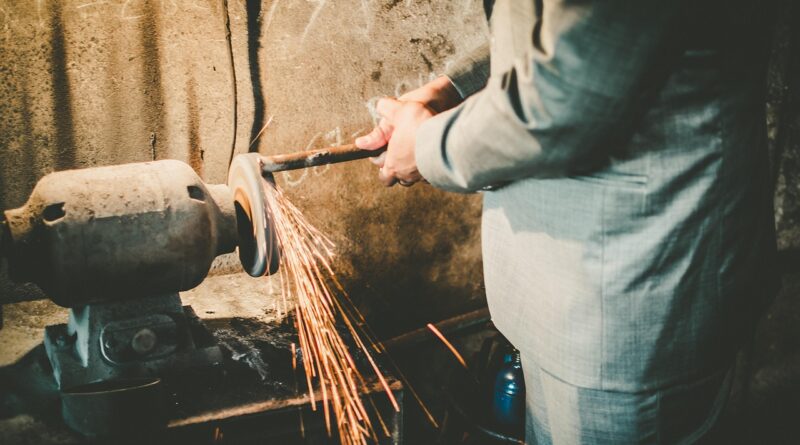
How Do You Choose the Best Tool Grinding Machine for Sharper Tools?
How Does a Tool Grinding Machine Change Daily Tool Care?
A tool grinding machine is not just another machine in the shop. It affects how fast you can put a dull drill, cutter, chisel, blade, or carbide tip back into use. If you compare machines on a broad Tool Categories page, do not look at motor size first. Ask a more practical question: can this machine give you a clean edge, the same angle each time, and safe use during a normal workday?
In metalworking, woodworking, repair shops, and small production lines, tool edges wear a little every shift. A dull drill can drift off center. A chipped end mill can leave a rough surface. A badly ground blade can heat the workpiece and waste stock. The right grinder brings these tools back with less guessing, and it helps the team follow a steady habit: inspect, dress, grind lightly, cool, check, and then send the tool back to work.
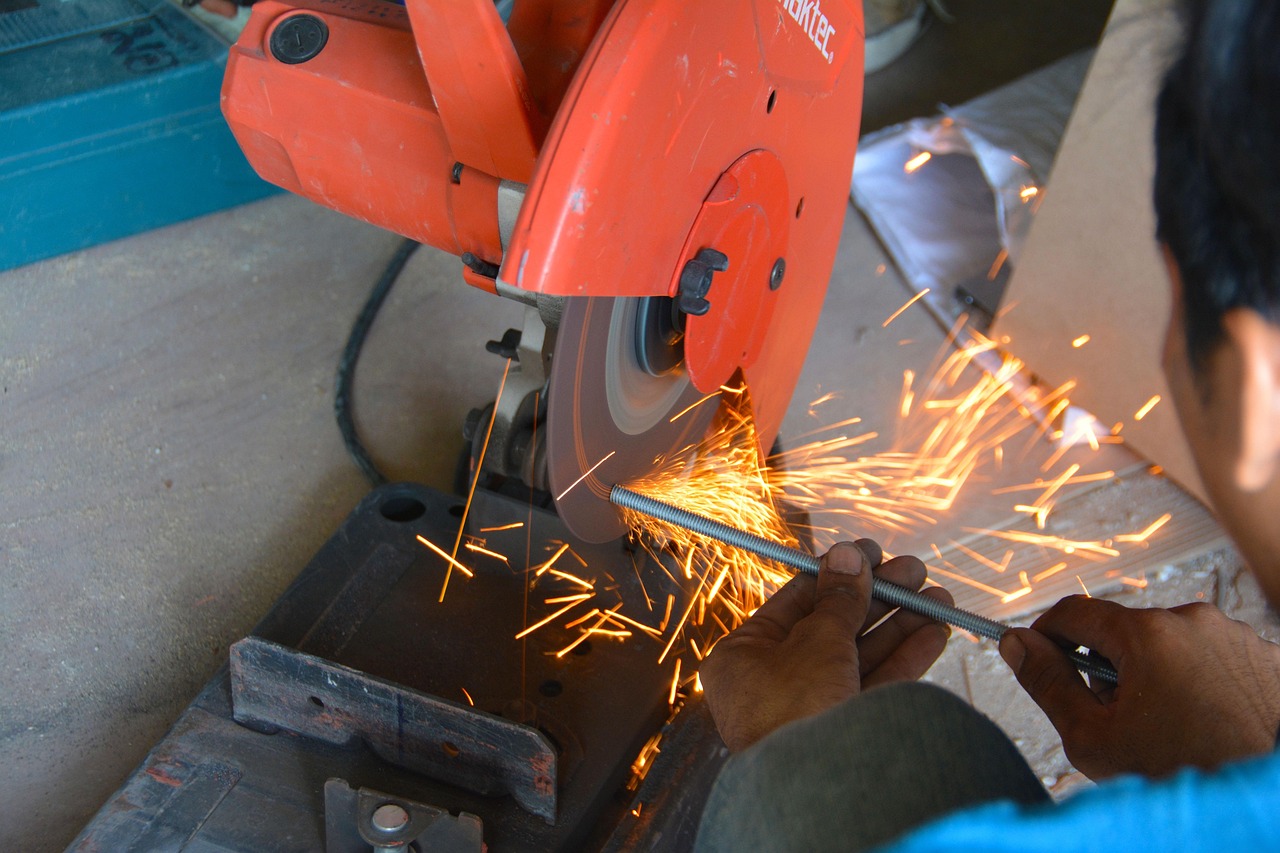
Faster Edge Recovery
Speed matters when a worker has to stop a job and sharpen a tool. A basic bench grinder may freshen a chisel in a few minutes, while a dedicated drill bit grinder can reset the point angle faster than freehand grinding. In a maintenance corner, that time may not look like much on Monday morning, but it adds up by the end of the week. The point is not speed alone, because a machine that removes metal too quickly can burn the edge and shorten tool life.
More Repeatable Tool Geometry
Tool geometry is where a purpose built machine proves its value. Drill points, relief angles, rake faces, and cutting lips need steady support if you want the same result again. Hand skill still matters, but a jig, fixture, or guided table cuts down the difference between one operator and another. This helps when several people share the same grinder, since an experienced worker and a new worker can stay closer to the same setup.
Lower Waste in Busy Shops
Throwing away tools too early is a quiet cost. It does not always show up as one big bill, but it builds up in boxes of half used drills and cutters. A tool grinding machine helps you use costly tooling until the edge can no longer be restored safely. For carbide and high speed steel tools, that can make a clear difference, and many small shops see it first with drill bits, router bits, lathe tools, and mower blades.
Which Tool Grinding Machine Fits Your Work?
The right choice depends on what you sharpen most often. A general grinder can handle different jobs, but it needs more operator skill. A dedicated grinder does fewer jobs, yet it usually does those jobs faster and with steadier results. Before you buy, write down your top five tool types and the largest diameter or length you need to handle, because that small list can prevent a poor purchase.
Bench Grinders for Simple Sharpening
Bench grinders are common because they cost less and are easy to set on a workbench or stand. They suit rough sharpening, deburring, shaping, and quick touch ups. They are not the best answer for fine tool geometry unless you add solid rests, jigs, and the right wheel. For farm repair, home workshops, and light maintenance, a bench grinder is often the first useful step.
Drill Bit and End Mill Grinders for Repeat Jobs
If your shop uses many drill bits or milling cutters, a dedicated machine may be the better buy. These machines hold the tool at set angles, so repeat point geometry needs less hand skill. That helps when production uses the same drill sizes again and again. For example, a 6 mm drill used on steel brackets may need regular touch ups, and a dedicated grinder brings it back faster than freehand grinding.
CNC Tool Grinders for High Mix Production
CNC tool grinders fit shops that make or regrind complex cutters. They can handle multi flute end mills, step drills, special profiles, and carbide tooling. The purchase price is much higher, and training takes time. Even so, for a tool room serving many machines, CNC grinding can pay back through tighter control, saved settings, and less operator-to-operator change.
What Features Matter Most Before You Buy?
A tool grinder can look strong in photos and still feel poor when used every day. Look closely at the parts that affect accuracy: spindle, bearings, wheel, tool rest, fixture, and control layout. In one way, a grinder is a simple machine. In daily grinding, though, a small movement at the spindle can leave a poor edge on the tool.
Rigid Motor and Spindle Build
A rigid spindle keeps the wheel running true. Vibration leaves marks, heats the edge, and makes small tools harder to control. Check motor power, bearing quality, wheel balance, and how the machine sits on the bench or floor. A heavy base is not exciting, but it helps, and in real shops the grinder that does not shake is usually the one people choose first.
Wheel Compatibility and Speed Range
The grinding wheel must match the tool material and the machine speed. Aluminum oxide is often used for high speed steel. Silicon carbide may suit some non ferrous or carbide related work, while diamond and CBN wheels are common for harder tooling. OSHA abrasive wheel guidance also gives a plain rule: the wheel speed rating must be compatible with the grinder motor speed, and that is one of the checks you should not skip.
Simple Setup and Safe Controls
A machine should be easy to adjust without putting hands near the wheel. Look for a clear switch, stable tool rest, readable angle marks, spark guards, and wheel covers. If a feature is awkward, people tend to skip it when the shop gets busy. That is when small risks turn into bigger ones, so a good grinder should feel simple: switch on, dress wheel, set rest, grind, and switch off.
How Do Safety Rules Shape a Good Grinding Setup?
Grinding safety is not only paperwork. A wheel can break, sparks can travel, dust can stay in the air, and a tool can jam if the rest sits too far from the wheel. Public safety sources give useful numbers that are easy to apply on the shop floor. Source note: OSHA 29 CFR 1910.215 and OSHA’s abrasive wheel grinder checklist list guard and work rest requirements for abrasive wheel machinery in the United States.
Guard Gaps That Stay Close
OSHA’s grinder checklist states that the work rest should be kept within 1/8 inch, or 0.3175 cm, of the wheel. It also lists a 1/4 inch, or 0.6350 cm, maximum gap for the adjustable tongue guard. Side guards should cover the spindle, nut, flange, and 75% of the wheel diameter. These numbers give the operator a quick setup check before the shift starts, and a small gap gauge in the drawer is much cheaper than an injury.
Wheel Inspection Before Mounting
Before mounting a new abrasive wheel, inspect it and perform the proper ring test when the wheel type allows it. A cracked wheel should never be used. Store wheels dry, flat when required, and away from impact. The UK Health and Safety Executive’s HSG17 guide focuses on wheel characteristics, mounting, guards, and personal protection, which fits the same daily issue: many grinding problems start before the wheel ever touches metal.
Noise Dust and Personal Protection
Grinding can make noise, sparks, fine dust, and flying chips. NIOSH recommends an occupational noise exposure limit of 85 dBA as an 8 hour time weighted average. That number is useful when you put grinders in small rooms or enclosed tool corners. Use eye and face protection, hearing protection when needed, and dust extraction for materials that create harmful particles; also keep the floor clean, because slipping near a spinning wheel is a hard lesson nobody needs. See also: Brands.
How Can You Get Better Results from Each Grind?
Better grinding is usually not about pressing harder. It comes from clean wheels, light passes, cooling, and steady support. Heat is a common reason cutting edges fail after sharpening. If a tool turns blue, straw colored, or rough at the edge, you may have softened or damaged it, so slow down, dress the wheel, and let the abrasive cut instead of rub.
A Clean Dressing Routine
A loaded wheel cuts poorly. It rubs, makes heat, and leaves a rough surface. Dress the wheel when it looks glazed, feels slow, or starts burning the edge. Use the correct dresser for the wheel type and keep your hands out of the danger zone. Dressing also brings the wheel face back to a true surface, which makes the next grind easier to control.
Light Passes and Coolant Control
Light passes are safer and cleaner than forcing the tool into the wheel. Dip high speed steel tools in water often if the process allows it. For machines with coolant systems, keep the flow aimed at the contact point. For carbide tools, avoid sudden thermal shock if the wheel and process are not suited for wet grinding, and if the edge gets hot enough to change color, stop and review the setup.
Practical Checks After Sharpening
After grinding, check the edge under good light. Look for equal drill lips, smooth relief, no cracks, and no heavy burr. Test on scrap material before returning the tool to a production job. A drill that cuts two equal chips is usually in better shape than one squealing through steel, and many shop people still trust that sound check for good reason.
What Buying Mistakes Should You Avoid?
A grinder purchase can go wrong when the choice is based on the biggest motor, the lowest price, or a feature list that nobody will use. Buying well is more direct than that. Match the machine to tool type, wheel cost, floor or bench space, safety needs, and the skill level of the people who will run it.
Choosing Power Before Precision
More power helps with heavy grinding, but precision comes from stability, wheel quality, and tool support. A powerful grinder with a weak rest can still damage small tools. If you sharpen drill bits under 10 mm, small cutters, or knife edges, control matters more than brute force. Check smooth adjustment and firm locking before you pay too much attention to horsepower numbers.
Ignoring Consumables and Wheel Cost
Wheels, dressers, fixtures, coolant, and replacement guards are part of ownership. A cheaper grinder may cost more if it uses hard to find wheels or has poor rests that need quick replacement. Check wheel bore size, diameter, grit options, and supplier availability before you place the order. It is ordinary purchasing work, but it saves trouble later when the machine is already on the shop floor.
Skipping Training and Maintenance Time
A tool grinding machine needs trained users. ISO 16089:2025 is titled Machine Tools Safety Stationary Grinding Machines, and its scope shows how seriously stationary grinding machine safety is treated in formal standards. The U.S. Bureau of Labor Statistics 2024 national SOII table reported a total recordable case rate of 2.0 for saw blade and handtool manufacturing and 1.3 for power driven handtool manufacturing. Those figures are industry level, not grinder only data, but they explain why guarding, training, and routine checks should be part of the purchase plan.
FAQ
Q1: What Is a Tool Grinding Machine Used for? A: It is used to sharpen, reshape, or restore cutting tools such as drill bits, chisels, end mills, lathe tools, blades, and carbide tips. The exact use depends on the grinder type and wheel.
Q2: Is a Bench Grinder Good Enough for Tool Sharpening? A: A bench grinder is good for simple sharpening and rough work. For repeatable drill points, end mills, or carbide tooling, a dedicated tool grinder usually gives better control.
Q3: What Wheel Should You Use for High Speed Steel Tools? A: Aluminum oxide wheels are common for high speed steel. For carbide and very hard tooling, diamond or CBN wheels may be better, but the wheel must match the machine speed and tool material.
Q4: How Often Should You Dress a Grinding Wheel? A: Dress the wheel when it becomes glazed, loaded, uneven, or starts heating the tool too fast. In a busy shop, that may happen daily. In light use, it may take much longer.
Q5: What Safety Check Matters Most Before Grinding? A: Check the wheel condition, guard position, work rest gap, wheel speed rating, eye protection, and the area around the machine. OSHA’s 1/8 inch work rest gap and 1/4 inch tongue guard gap are practical numbers to remember.