
Which Power Drill Brands Are Actually Worth Buying in 2026?
If you are comparing power drill brands, I would not start with the biggest ad or the highest number on the box. A drill is only one piece of a tool setup. The battery, charger, warranty, parts supply, and future tool choices matter about as much as torque, especially after you have owned the kit for a while. Grand View Research estimated the global cordless power tools market at USD 13.44 billion in 2024 and projected it to reach USD 31.82 billion by 2033, while drilling and fastening tools held the largest revenue share in 2024. That says something plain enough: buyers are not only choosing drills now, they are choosing platforms. (grandviewresearch.com)
Why Do Power Drill Brands Matter More Than a Single Model?
A drill can feel right on the first day and still turn into a bad buy six months later if the batteries cost too much, the charger is slow, or other compatible tools are hard to get. The brand behind the drill affects daily use more than many first-time buyers expect.
Battery Platform Lock-In
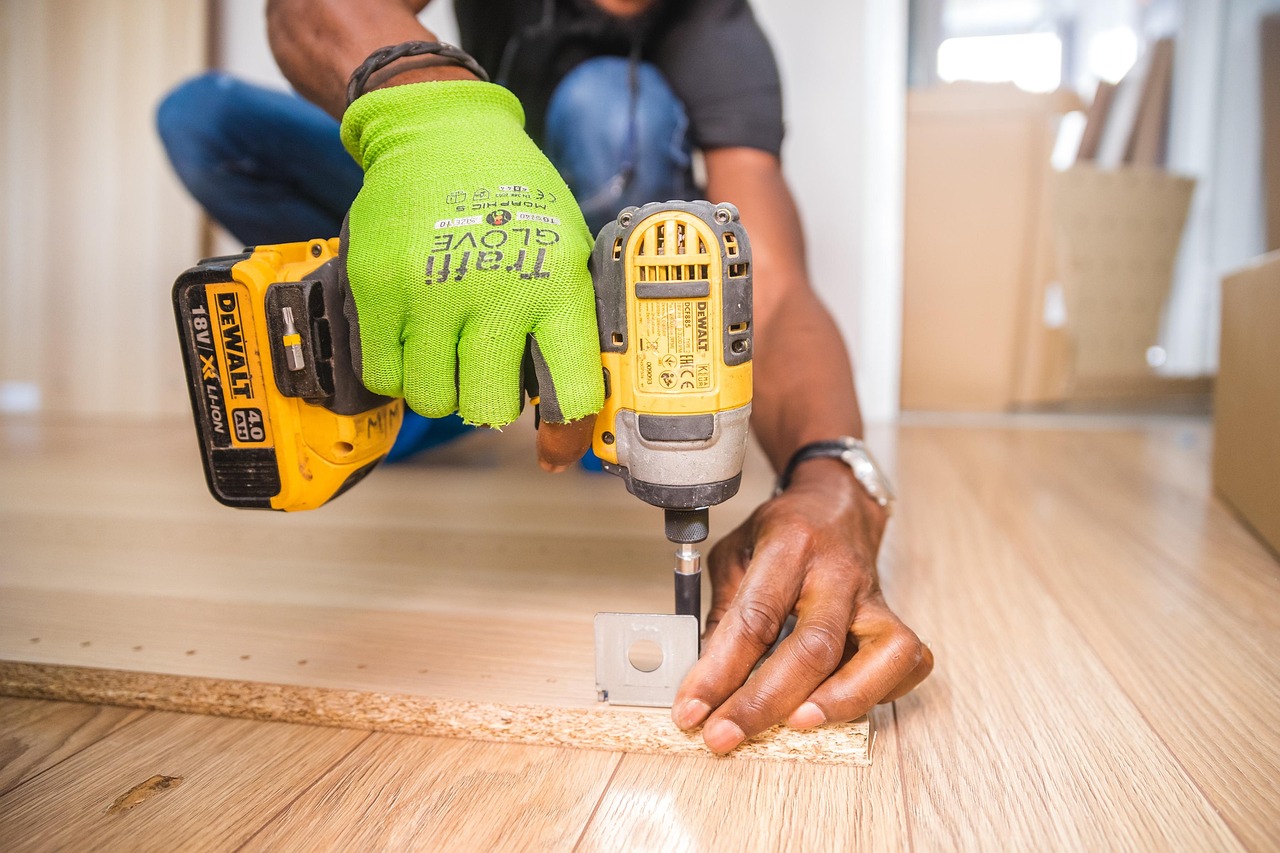
Once you buy two batteries and a charger, moving to another brand starts costing real money. That is why many contractors and serious DIY users choose one 18V or 20V family and stick with it.
If you later add an impact driver, circular saw, grinder, nailer, or work light, the same battery family can save money and free up shelf space. It also keeps the job simpler, because nobody wants four half-charged packs from four brands sitting in a garage drawer.
Service, Parts, and Warranty Reach
A strong brand gives you more than a clean-looking drill. In most cases, it also means easier access to service centers, spare chucks, replacement chargers, and warranty support.
For trade users, that is not a small detail. A dead drill on a Monday morning can hold up cabinet installs, electrical rough-in, or deck framing, so clear service rules and wide retail reach help keep downtime under control.
Real Job Fit Over Spec Sheets
Specs help, but they do not tell the full story. Consumer Reports noted in its April 2025 cordless drill buying guidance that voltage is often used as a power clue, yet a lower-voltage drill from one brand can beat a higher-voltage drill from another.
Its drill testing looks at power, speed, run time, recharge time, handling, clutch settings, size, and weight. That is a better way to judge a drill than looking at voltage alone. (consumerreports.org)
Which Power Drill Brands Stand Out for Professional Work?
If your drill earns money, it needs to handle repeat holes, stuck bits, dust, and quick charging between tasks. The main pro brands all have weak spots, and loyal users argue about them like sports teams, but three names keep coming up for practical reasons.
DeWalt for Broad Jobsite Coverage
DeWalt is a common pick for builders because its cordless platform is wide and easy to find. Stanley Black & Decker reported 2024 revenue of USD 15.4 billion and said DeWalt posted its seventh straight quarter of organic growth in the fourth quarter of 2024.
That does not mean every DeWalt drill is the best choice for every user. It does show the brand has steady demand and continued investment behind it. (ir.stanleyblackanddecker.com)
Milwaukee for Heavy Trade Ecosystems
Milwaukee often suits electricians, plumbers, HVAC techs, and mechanics who need more than a drill. The M18 line covers drills, impact tools, saws, grinders, lighting, storage support, and specialty trade tools.
Milwaukee states that M18 FUEL tools are compatible with the M18 cordless system, which includes more than 250 tools. For someone building a full truck kit, that tool range matters because it keeps more work on one battery setup.
Makita for Balanced Handling and Strong 18V Choice
Makita is known for balanced ergonomics, a solid drill feel, and its long-running 18V LXT family. The brand says its LXT system includes more than 350 compatible cordless products powered by 18V slide-style batteries.
If you care about lighter handling during overhead drilling or repeated pilot holes, Makita is worth checking in person. Some users call the teal tools boring, but boring is not a bad thing when the job is already dusty and awkward. (dewalt.com)
Which Brands Fit Homeowners, DIYers, and Light Contractors?
Not every buyer needs a drill built for daily framing or commercial mechanical work. If you hang shelves, fix fences, assemble furniture, build weekend projects, or handle small rental repairs, value and tool variety may matter more than top-end torque.
Ryobi for Battery Value
Ryobi is one of the easier recommendations for homeowners because its ONE+ battery system is wide, affordable, and simple for casual users. Ryobi says the 18V ONE+ system now includes more than 300 compatible products and keeps compatibility across products from the last three decades.
That helps when your tool collection grows slowly instead of all at once. You might buy one kit now, then add a blower, sander, or light during a birthday sale or holiday deal later. (ryobitools.com)
Craftsman for Familiar Garage Work
Craftsman fits buyers who want a known name for basic drilling, driving, and around-the-house repairs. It is not usually the first choice for a full commercial crew, but it can make sense for garages, hobby benches, and light maintenance kits.
The main point is to compare the exact model, not just the logo. Some entry kits are fine for screws and small holes, while heavier jobs may need a brushless hammer drill or a stronger battery.
Bosch for Compact Precision and Trade-Friendly Feel
Bosch often appeals to users who like compact tools, clear controls, and a trade-style feel without chasing the loudest brand following. Bosch lists a wide 18V cordless range, including drills, impact drivers, rotary hammers, grinders, saws, sanders, vacuums, and specialty tools.
Bosch also says its Professional 18V battery system and AMPShare partner brands give access to more than 350 compatible tools. That makes Bosch a good option for users who want a smaller tool in hand but still need room to grow the kit. (boschtools.com)
What Specs Should You Compare Before Picking a Brand?
After you narrow down the brand list, look at the drill itself. Do not get pulled in by every marketing badge on the carton. A basic checklist is more useful when two kits are sitting side by side and both look like a deal.
Torque That Matches the Material
For cabinet hinges, furniture assembly, drawer slides, and small pilot holes, comfort and clutch control matter more than raw force. For deck screws, lag bolts, hole saws, and dense lumber, you need stronger torque and a battery that can supply it.
Masonry adds another issue. If you drill brick or block often, choose a hammer drill model instead of a standard drill driver with a masonry bit thrown into the case.
Brushless Motor and Heat Control
Brushless drills usually run longer and deal with heat better than brushed designs. That does not mean every brushed drill is junk, because a low-cost brushed drill can still handle one apartment, one toolbox, and a few Sunday repairs. See also: Tool Categories.
If you drill repeated holes or drive long screws, brushless is usually worth the step up. The motor runs with less strain, the battery lasts longer per charge, and the tool often feels steadier under load.
Battery Amp-Hours and Charger Speed
A 2.0Ah pack keeps a drill light and easy to handle. A 5.0Ah pack runs longer, but it adds weight, and that extra weight gets old quickly during overhead work.
The better kit for many users includes one compact battery and one larger pack. Charger speed matters too, because a cheap kit with a slow charger may not feel cheap when you are waiting through lunch for a battery to wake up.
How Can You Spot a Brand That Is Risky?
Low price is always tempting. Nobody enjoys paying more for a yellow, red, teal, blue, or green plastic shell. Still, cordless drills use lithium-ion batteries, chargers, switches, and motors, so safety and support are worth checking before you buy.
Missing Safety Certifications and Vague Labels
Be careful with no-name drills that do not show a clear company, manual, certification marks, or battery information. In October 2024, the U.S. Consumer Product Safety Commission warned consumers to stop using AILUKI cordless drills sold online because of fire and burn hazards.
CPSC said it had received nine reports of the drills exploding, igniting, melting, smoking, or overheating, including property damage and one burn injury. That is the kind of risk a low sticker price does not cover. (cpsc.gov)
No Clear Battery Disposal Guidance
Battery instructions matter more than some sellers admit. A trustworthy brand tells you how to charge, store, and dispose of lithium-ion packs.
Damaged or recalled packs should not go into regular trash, and many local areas require hazardous waste handling. If a drill kit gives almost no battery guidance, that is a red flag, even when the kit comes with many accessories and a case that looks good in photos.
Odd Claims With No Test Method
Watch for claims such as maximum power, professional torque, or all-day run time when no test method is shown. Real brands usually provide model numbers, battery ratings, manuals, and safety documents.
A seller that only shows lifestyle images and big claims is asking you to trust the packaging. For a tool that spins sharp bits near your hand, that trust should be earned.
What Is the Best Buying Strategy for 2026?
The best drill brand is the one that fits your next five tools, not only your next five holes. A practical buying plan can keep you from paying twice, especially if your projects move from small repairs into real renovation work.
Pick the Battery Family First
Before buying, write down the cordless tools you may add in the next two years. If the list includes a circular saw, grinder, impact wrench, trim router, or outdoor tool, check whether the brand supports those tools on the same battery.
If the answer is no, slow down before you buy. A bargain drill can become the most expensive tool in the shop if it starts a dead-end battery collection.
Buy the Drill You Will Use Most
A large hammer drill looks serious, but it can be annoying for drawer pulls, electrical plates, and small pilot holes. Many users are better off with a compact drill and a separate impact driver.
If concrete or large hole saws are part of your normal work, then a higher-output hammer drill makes sense. Match the tool to the boring tasks as well, because those are the jobs that happen every week.
Keep One Cheap Tool for Dirty Work
There is still a place for a lower-cost drill. Mixing paint, drilling through grimy outdoor boards, or working near wet soil can wear out a tool fast.
Some buyers keep a budget drill for rough jobs and save the better drill for cleaner work. It is not clever advice, but it works in real garages and small shops.
FAQ
Q1: What Are the Best Power Drill Brands for Most Buyers? A: DeWalt, Milwaukee, Makita, Bosch, and Ryobi cover most needs. DeWalt, Milwaukee, and Makita lean pro. Ryobi is strong for homeowners. Bosch is a good pick for compact trade-style tools.
Q2: Is 20V Always Better Than 18V? A: No. In many tool lines, 20V MAX refers to maximum initial battery voltage, while nominal voltage is often 18V. Compare performance tests, battery quality, motor type, and handling instead of voltage alone.
Q3: Should You Buy a Drill Kit or a Bare Tool? A: Buy a kit if you do not own that battery platform yet. Buy a bare tool if you already have compatible batteries and a charger. Bare tools can save money once your platform is set.
Q4: Are Cheap Cordless Drills Worth It? A: They can be fine for light tasks, but check the brand, charger, manual, battery safety details, and warranty. Avoid unknown kits with vague specs or no clear support.
Q5: What Is the Most Important Feature for a Cordless Drill? A: Battery platform is the big one. After that, look at brushless motor design, clutch control, chuck quality, weight, charger speed, and whether the same batteries fit other tools you plan to buy.