

Which Chainsaw Brands Are Best for Homeowners, Farms, and Pro Crews?
Choosing between chainsaw brands is easier when you start with the work, not the badge. A homeowner cleaning up fallen limbs, a farm buyer cutting fence-line trees, and a tree crew using saws every day usually need different machines. For more tool-brand research, you can also browse the Brands section at Taodili.
There is no solid public source that gives a clean worldwide ranking of chainsaw brands by unit sales. Many retail lists mix homeowner saws, pro forestry saws, private-label tools, and dealer-only models, so they are not always useful for buying work. A better way to compare brands is to check cutting power, battery or gas platform, safety features, spare parts, warranty terms, and the support you can get after the sale.
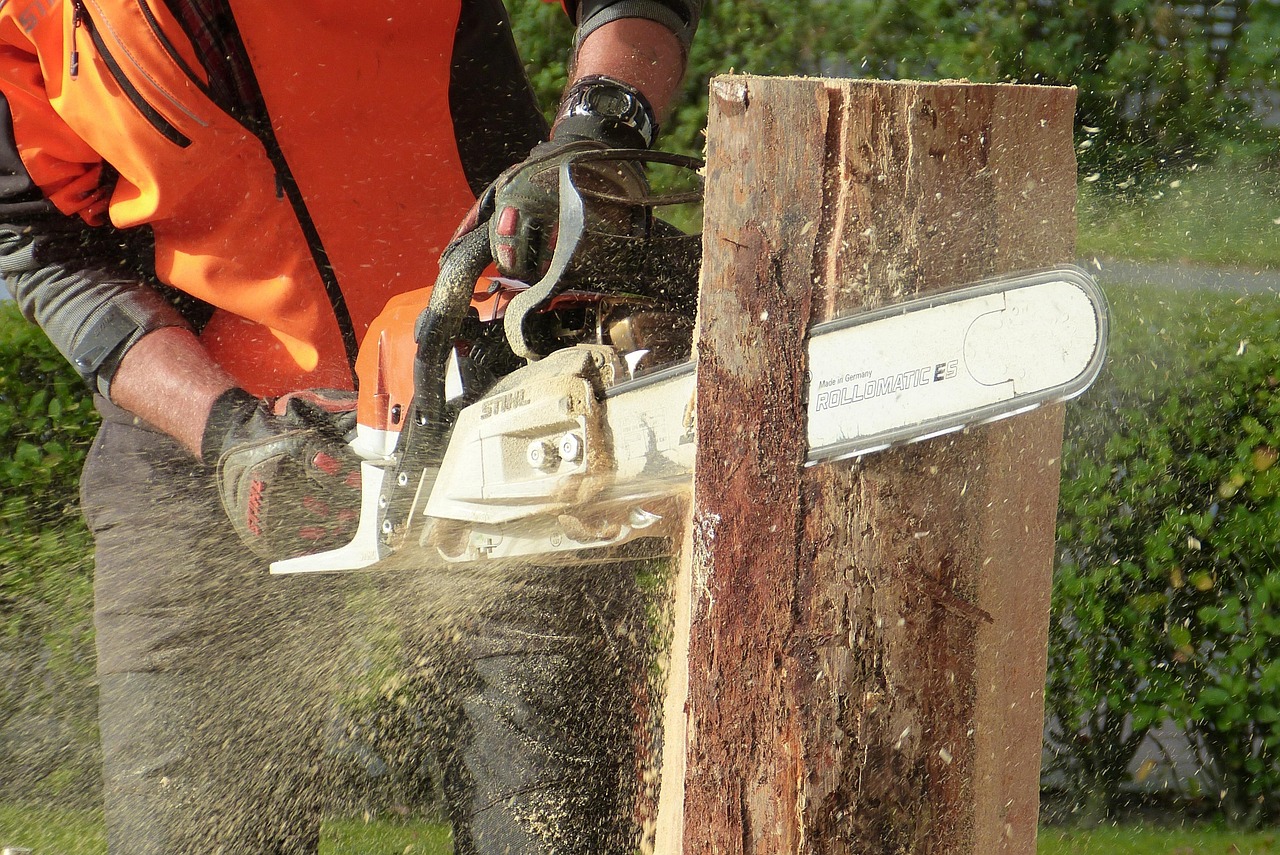
Which Chainsaw Brands Deserve a Shortlist?
The right shortlist depends on the buyer, but a few names keep coming up because they fit clear use cases. A good brand is not only a logo on the side cover. It should have enough models, clear manuals, real replacement chains and bars, and a service path that does not leave the saw out of work for weeks.
Stihl for Dealer Support and Pro Gas Saws
Stihl is often treated as a solid choice for pro users and landowners because its range covers small pruning saws, farm saws, arborist top-handle models, and larger forestry machines. Buyers who want face-to-face dealer help often like this system because they can ask about setup, parts, and repair in person. The trade-off is simple: you may pay more, and some models are easier to buy through dealers than through general online channels.
Husqvarna for Forestry Depth and Farm Use
Husqvarna is another common pick for users who cut often. It has a wide gas lineup and a growing battery range, with models aimed at firewood, ranch work, and forestry. For a buyer comparing Stihl vs Husqvarna, the real difference may come down to local dealer strength, part availability, bar length needs, and how the saw feels in hand.
Echo, Makita, and Milwaukee for Practical Buyers
Echo has a good name among homeowners and semi-pro users who want reliable gas power without always moving into the top price band. Makita and Milwaukee matter more when the buyer already owns batteries from those tool systems. A battery saw makes more sense when the same packs also run drills, blowers, string trimmers, or jobsite tools.
How Should You Match Chainsaw Brands to Real Cutting Jobs?
A brand comparison gets confusing when every saw is judged by the biggest log it can cut one time. Daily use is different. Buyers need to think about wood size, cutting time, storage, transport, noise, and who will service the tool. A 16-inch saw in the shed may not look special, but after a windy night it can be the tool that gets used first.
Home Pruning and Storm Cleanup
For small branches, light storm cleanup, and garden work, battery brands such as Milwaukee, Makita, DeWalt, Ego, Greenworks, and Ryobi are often easier to live with than gas. They start with a trigger, store cleanly, and make less noise around the house. A 12-inch to 16-inch bar is usually enough for this type of work. Look for a chain brake, automatic oiler, easy chain tensioning, and a battery size that can finish the job without repeated charging.
Firewood, Farm, and Ranch Work
Firewood cutting changes the brand discussion because the saw may run longer and cut dirtier wood. Hardwood also needs more torque, especially when the chain is working through bigger rounds. This is where Husqvarna, Stihl, Echo, and larger battery systems come into play. A gas saw still works well when there is no outlet nearby and the pile is bigger than planned. Battery saws can handle a lot of work, but extra packs add cost and weight.
Tree Service and Forestry Work
Professional crews usually care about service speed, parts supply, anti-vibration design, power-to-weight ratio, and model consistency. A crew cannot treat a saw like a weekend tool because downtime costs money. If the clutch cover, chain brake parts, sprocket, bar nuts, or air filter are hard to source, a small repair can stop a job. For arborist and forestry use, choose brands with proven pro lines and trained service support.
Are Battery Chainsaw Brands Ready to Replace Gas?
Battery chainsaws are no longer light-duty toys, but gas has not disappeared. The useful question is where battery works better and where gas is still the practical choice. According to NielsenIQ’s 2024 Lawn and Garden Consumer Study, gas powered equipment still represented about 47% of outdoor power equipment used by consumers, while battery powered equipment made up about one third of the installed base. That split matches what many buyers see in stores: both power types still sell.
The Battery Case for Most Homes
Battery brands work well for homeowners because the saw is quiet at rest, simple to start, and easier to store. There is no fuel mixing, and there is less risk of carburetor trouble after the saw sits in the garage for months. Outdoor Power Equipment Institute public materials also reported that in 2021 the U.S. industry shipped 38 million outdoor power products, with 21 million classed as zero-emission products, or 56%. That does not mean every chainsaw buyer should choose battery, but it shows how far cordless outdoor tools have moved.
The Gas Case for Long Cutting Days
Gas chainsaws still make sense when you cut for hours, work far from charging, or need a high power-to-weight ratio with quick refueling. A fuel can is often easier to manage in the field than several empty battery packs. The U.S. EPA regulates small spark-ignition engines used in equipment such as chainsaws, and Phase 3 exhaust standards took effect in 2011 or 2012 depending on engine size. Modern gas saws are cleaner than old two-strokes, but they still require fuel storage, produce fumes and noise, and need more upkeep.
Platform Cost Matters More Than One Saw
A single battery chainsaw price can be misleading because the tool is only part of the cost. The full cost includes chargers, spare packs, compatible tools, and replacement batteries later. If you already own a 40V, 60V, 80V, or 18V dual-battery system, staying in that family may be cheaper. If you are buying for a shop or import catalog, compare the full platform, not only the chainsaw shell.
What Specs Separate Good Chainsaw Brands from Weak Ones?
Brand reputation helps, but specs show whether the saw fits the cut. Good brands publish clear data and make replacement parts easy to identify. Weak brands often hide behind vague power claims, unclear battery ratings, and generic safety wording.
Bar Length and Motor Output
Bar length should match the wood size the user cuts most often. Small pruning and limb work may only need 6 to 12 inches, while general homeowner cutting often sits around 14 to 18 inches. Bigger firewood and farm use may call for 18 to 24 inches or more. Do not buy the longest bar just because it looks serious. A long bar on a weak powerhead cuts slowly and feels awkward.
Chain Speed, Oilers, and Tensioning
Good chainsaw brands explain chain speed, chain pitch, gauge, oiling system, and tensioning method. These details help buyers understand how the saw will cut and how easy it will be to maintain. Tool-free tensioning is useful for casual users, while pro users may prefer standard bar nuts because they hold up better under rough use. A clear oil tank window sounds minor, but it saves chains. Many ruined bars start with an empty oil tank, not a bad motor.
Parts, Batteries, and Service Access
Before choosing a brand, check the parts path. This step matters for homeowners, dealers, and import buyers because a saw with no parts support becomes a problem quickly. Buyers should look for: See also: Tool Categories.
- Common chain sizes that local shops can replace.
- Guide bars available in the right mount pattern.
- Replacement sprockets, filters, caps, and oil pumps.
- Battery packs sold separately, not only in kits.
- Manuals with diagrams, safety labels, and clear maintenance steps.
Grand View Research valued the global chainsaw outdoor power equipment segment at about USD 7.44 billion in 2024 and projected it to reach about USD 11.47 billion by 2030. That growth brings more brands into the market, but a larger market does not make every saw worth buying. It makes checking specs and service support more important.
Which Safety Details Should Shape Your Brand Choice?
A chainsaw is useful because it cuts fast and hard. That same reason makes safety features a basic requirement. The brand you choose should make safe use easier, not harder. Look beyond bright plastic and pay attention to the brake, grip layout, guards, manual, and chain type.
Kickback Control and Chain Brake Design
Kickback is one of the main risks in chainsaw use. OSHA chain saw safety guidance says gasoline-powered chain saws must have a protective device that helps reduce kickback risk. For buyers, that means a front hand guard and working chain brake are not optional extras. A low-kickback chain can also help casual users, though it does not replace training or careful cutting.
PPE Guidance from OSHA and CDC
OSHA guidance lists proper personal protective equipment for chain saw work, including hand, foot, leg, eye, face, hearing, and head protection. CDC public safety guidance also stresses PPE and keeping bystanders at a safe distance. The practical point is simple: even the best chainsaw brand cannot make shorts, sneakers, and no eye protection a smart choice.
Low Vibration and Simple Maintenance
Anti-vibration mounts, comfortable handles, and easy maintenance matter more after the first ten minutes of cutting. A saw that shakes badly or makes every chain adjustment difficult will tire the user faster. Tired users make poorer cuts and are more likely to rush. Brands with cleaner access to the air filter, side cover, spark plug, and oil fill point usually age better in real use.
How Can Importers and Dealers Compare Chainsaw Brands?
For importers, distributors, and tool retailers, the best chainsaw brand is not only the one that cuts fastest in a demo. It also needs to be sellable, supportable, and clear enough for end users. A low-cost saw with confusing parts and weak manuals can create more complaints than profit.
Range Depth across Price Bands
A strong catalog should cover entry-level pruning, homeowner cutting, farm use, and at least one heavier-duty option. This lets dealers serve different buyers without changing suppliers every time. In electric tools, matching chainsaws with blowers, trimmers, and hedge trimmers in the same battery family can also support repeat purchases. It also makes stock planning easier because batteries and chargers can be shared across more tools.
Compliance, Manuals, and Spare Parts
Check whether the supplier can provide current manuals, safety labels, battery transport information, charger certifications, and spare part lists. These documents matter when products move through retail, customs, service counters, and end-user claims. For gas models, EPA-related compliance matters in the U.S. market. For battery models, charger safety, cell quality, and pack availability matter just as much as cutting speed.
Warranty Terms and After-Sales Reality
Warranty language should be easy to explain to a customer at the counter or in an online listing. A long warranty means little if wear parts, batteries, or labor are excluded in ways buyers do not expect. Ask how claims are handled, which parts are stocked, and how quickly a replacement chain brake, battery latch, charger, or oil cap can ship. Real after-sales support is where a brand becomes trusted or quickly forgotten.
FAQ
Q1: What Are the Best Chainsaw Brands for Homeowners? A: For many homeowners, battery brands such as DeWalt, Milwaukee, Makita, Ego, Greenworks, and Ryobi are practical because they start easily and store cleanly. Stihl, Husqvarna, and Echo are strong choices if you prefer gas or want dealer support.
Q2: Is Stihl Better Than Husqvarna? A: Not always. Stihl may win where dealer support and certain pro models are stronger. Husqvarna may fit buyers who like its forestry range, handling, or local service. The better pick is the one with the right model and nearby parts support.
Q3: Are Battery Chainsaws Good Enough for Firewood? A: Yes, for smaller firewood piles and moderate cutting. For long days, large hardwood, or remote work, gas still has an edge because refueling is faster than charging several high-capacity batteries.
Q4: What Chainsaw Brand Should a Dealer Import? A: Choose a brand with clear manuals, reliable spare parts, safe packaging, tested chargers for battery tools, common chain sizes, and a range that covers several price levels. The lowest unit price is rarely the safest business choice.
Q5: What Safety Feature Should You Check First? A: Check the chain brake and front hand guard first. Then review the low-kickback chain, throttle lockout, grip design, manual quality, and recommended PPE. A sharp chain and correct oiling also make cutting safer.