
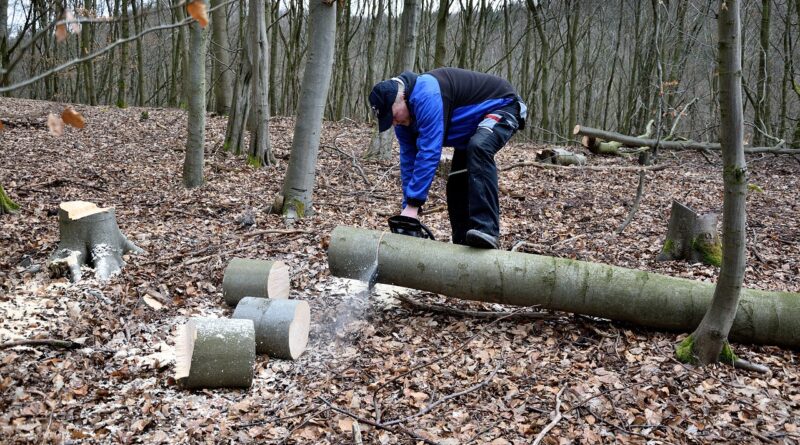
Popular chainsaw brands for homeowners and professionals
What popular means when comparing chainsaw brands
Popular chainsaw brands are not popular for one reason. STIHL, Husqvarna, and ECHO are widely recognized for gas-powered saws, dealer support, and landowner or professional use. EGO, Greenworks, RYOBI, DEWALT, Milwaukee, and Makita have gained visibility as battery-powered outdoor tools have become suitable for many homeowner and property-maintenance jobs. Oregon is best known for chains, bars, and accessories, but it also has a role in corded electric chainsaws.
The useful question is not simply which name is best known. It is which brand fits the work: pruning, storm cleanup, firewood cutting, farm use, or daily professional tree care. This guide compares popular chainsaw brands by power source, buyer type, service access, battery ecosystem, and practical limitations.
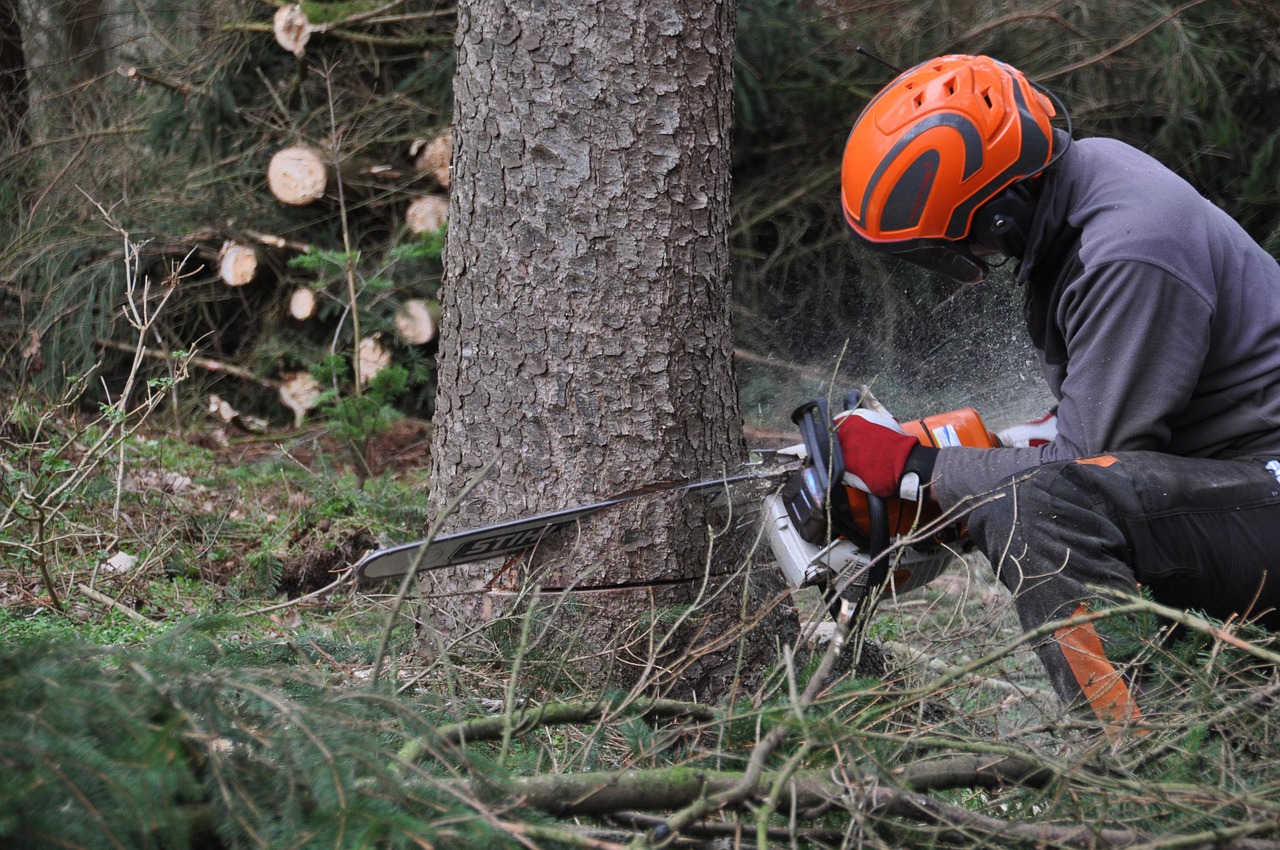
For more brand-focused tool coverage, visit the Brands section.
The main chainsaw brand groups
Chainsaw buyers often compare brands as if every model competes in the same class. In practice, a 12-inch cordless pruning saw, a 16-inch homeowner gas saw, a 20-inch battery rear-handle saw, and a professional 70 cc forestry saw are built for different work. A fair comparison starts by separating the brand landscape into practical groups.
| Brand group | Common examples | Typical strengths | Best fit |
|---|---|---|---|
| Traditional gas and pro saw brands | STIHL, Husqvarna, ECHO | Broad saw ranges, pro-oriented models, dealer and parts support | Firewood, farm work, forestry, arborist use, heavy storm cleanup |
| Battery outdoor power specialists | EGO, Greenworks | Strong cordless outdoor platforms, quiet operation, easier starting | Homeowners, acreage owners, repeated yard maintenance |
| Contractor battery platform brands | DEWALT, Milwaukee, Makita | Shared batteries with drills, saws, and jobsite tools | Tradespeople and homeowners already invested in those batteries |
| DIY and value-focused brands | RYOBI and similar retail brands | Accessible pricing, broad homeowner tool systems, many compact options | Occasional pruning, light cleanup, small firewood jobs |
| Cutting-system and corded specialists | Oregon | Chains, bars, sharpening systems, replacement parts | Maintenance-focused users and corded electric buyers |
This structure also explains why online rankings often disagree. A professional arborist may prioritize power-to-weight ratio, dealer service, and top-handle options. A suburban homeowner may care more about low maintenance, push-button starting, and a battery that also runs a mower or blower. Both buyers can make the right choice, even if they choose different brands.
Gas, battery, and corded chainsaws are popular for different reasons
Gas chainsaw brands remain important for heavy work
Gas saws remain the reference point for demanding cutting because they can be refueled quickly and are available in high-output professional classes. STIHL, Husqvarna, and ECHO are common names in this segment because their ranges include homeowner, farm, ranch, and professional models. For users cutting cords of firewood, bucking larger hardwood logs, or working away from charging access, gas still offers practical advantages.
The trade-off is maintenance. A gas saw requires fuel mixing or the correct fuel system, air-filter care, spark-plug attention, carburetor or electronic engine-management reliability, and proper storage. Noise, exhaust, vibration, and starting technique also matter. For users who cut only a few times a year, the maintenance burden can be larger than the job itself.
Battery chainsaw brands have moved beyond light trimming
Battery chainsaws are no longer limited to small pruning tasks. Consumer Reports noted in its updated October 20, 2025 chainsaw buying guide that the market has seen a large increase in battery-powered electric saws and improved performance in testing. That does not mean every battery saw can replace a professional gas saw. It does mean many homeowners can now handle branch cleanup, small tree removal, and occasional firewood cutting without storing gasoline or pulling a starter cord.
Battery saws are especially attractive when the buyer already owns compatible batteries. EGO users may look at 56V outdoor tools. Greenworks buyers may compare 40V, 60V, or 80V platforms. DEWALT, Milwaukee, Makita, and RYOBI users may prefer to stay inside an existing cordless system. The main limitation is runtime during continuous cutting. Extra batteries help, but they add cost and weight.
Corded electric chainsaws still have a niche
Corded chainsaws are less flexible because they require power access and an outdoor-rated extension cord. However, they can make sense for work near a house, shop, or woodpile. Oregon’s CS1500, for example, is known for combining a corded electric saw with an integrated sharpening system. Corded tools are not suited to woods, trails, or remote storm cleanup, but they can be practical for controlled cutting close to an outlet.
How major popular chainsaw brands differ
STIHL
STIHL is one of the best-known chainsaw names for homeowners, landowners, arborists, and forestry users. Its range includes gas and battery models, with saw categories aimed at homeowner cutting, farm and ranch use, and professional work. The brand’s main advantage is not only product recognition; it is the combination of a broad model range and a strong servicing-dealer identity. That matters when a saw needs a chain, bar, sprocket, tune-up, warranty help, or advice on matching bar length to wood size.
For a casual homeowner, STIHL may feel more dealer-oriented than click-and-buy retail brands. For a serious user, that dealer network can be a deciding factor.
Husqvarna
Husqvarna is another major name across homeowner, landowner, and professional chainsaws. The brand is closely associated with gas saws, forestry work, and professional cutting, while also offering battery-powered models. Husqvarna is often compared directly with STIHL because both brands cover a wide range of users and both have long histories in outdoor power equipment.
The decision between STIHL and Husqvarna often comes down to local dealer quality, model fit, ergonomics, and parts availability rather than brand name alone. A strong local dealer can be more valuable than a slightly different specification on paper.
ECHO
ECHO is a familiar chainsaw brand for homeowners, landscapers, and property-maintenance users who want a mix of value, durability, and gas-powered performance. Its catalog includes gas saws and battery options under its 56V battery system. ECHO is often considered by buyers who want a capable saw without moving into the highest-priced professional tier.
For occasional homeowners, some ECHO gas saws may be more tool than they need. For firewood and acreage work, the brand can be a practical middle ground, especially where dealer support is available.
EGO
EGO has become one of the most visible battery outdoor power equipment brands. Its chainsaws are part of a 56V platform that also covers mowers, blowers, trimmers, hedge tools, and other yard equipment. For homeowners who want to avoid gas maintenance, EGO is often considered because the platform is built around outdoor work rather than jobsite tools alone.
The main buying question is battery capacity. A small battery may run a compact saw, but larger bars and harder cutting benefit from higher-capacity packs. Buyers should compare the complete kit price, not only the tool-only price, because batteries and chargers can represent a large share of total cost. See also: Tool Categories.
Greenworks
Greenworks is popular among battery-focused homeowners because it offers several voltage platforms, including commonly seen 24V, 40V, 60V, and 80V product families. That range lets buyers choose between light residential work and more demanding yard maintenance. Greenworks is especially relevant for users who want a broader battery yard system rather than a single standalone saw.
The main caution is platform consistency. A Greenworks 40V buyer should not assume that an 80V tool will share the same batteries. Before choosing the brand, decide which voltage family makes the most sense for the mower, blower, trimmer, and chainsaw you may own later.
DEWALT, Milwaukee, and Makita
DEWALT, Milwaukee, and Makita appeal to buyers who already own cordless drills, impact drivers, circular saws, and jobsite batteries. Their chainsaws can be convenient for contractors, remodelers, farmers, and homeowners who want one battery ecosystem across indoor, jobsite, and outdoor tools.
DEWALT’s FLEXVOLT line, Milwaukee’s M18 FUEL range, and Makita’s LXT and XGT systems show how traditional power-tool companies have entered higher-demand outdoor equipment. These saws can be useful for cleanup, limbing, and property work. However, a contractor battery platform is not automatically the best choice for continuous firewood production. Compare chain speed, bar length, battery amp-hours, charger speed, and replacement-chain availability.
RYOBI
RYOBI is popular with DIY users because it offers accessible pricing and a large homeowner tool ecosystem. Its 18V ONE+ and 40V lines include compact pruning saws, pole saws, and larger brushless chainsaws. For light cleanup, small limbs, and occasional storm work, RYOBI can be a sensible choice.
The brand is less likely to be the first pick for daily professional forestry work. Its appeal is convenience and value for homeowners who want a saw that fits a wider collection of tools used around the house.
Oregon
Oregon is different from the other names because it is especially important in chains, bars, sharpening systems, and replacement cutting components. Many users encounter Oregon through replacement chains even if their saw is from another brand. Oregon’s corded electric saws also have a place for users who work near power and want simple maintenance.
Even when Oregon is not the saw brand, it may still affect ownership cost and cutting performance because chain quality, sharpening, bar maintenance, and correct fitment are central to how any chainsaw performs.
Which brand type fits the job?
- Occasional pruning and small limbs: A compact battery saw from RYOBI, Greenworks, EGO, DEWALT, Milwaukee, Makita, STIHL, or Husqvarna may be easier to own than gas. Prioritize low weight, safe handling, and battery compatibility.
- Storm cleanup around a home: A 14- to 18-inch battery saw or mid-size homeowner gas saw can be practical. Choose based on how long the work may last and whether power is available for charging.
- Firewood cutting: Frequent firewood users should look closely at STIHL, Husqvarna, ECHO, and higher-output battery platforms. Gas remains practical for long sessions, while battery can work well for shorter cutting periods with spare packs.
- Farm, ranch, and acreage work: Dealer support and parts access become more important. A saw that can be serviced locally may be a better long-term purchase than a cheaper tool with limited support.
- Professional tree care: Professional users should focus on pro-rated models, safety training, service networks, and job-specific saw design. Top-handle chainsaws, in particular, should be treated as specialist tools rather than general homeowner saws.
What to check before choosing a chainsaw brand
Brand reputation matters, but it should not replace a practical checklist. Before buying, compare the saw, the support system, and the ownership costs.
- Power source: Decide first between gas, battery, and corded electric. The right answer depends on cutting time, distance from power, storage habits, and maintenance comfort.
- Bar length: Longer is not automatically better. A longer bar adds weight and can be harder to control. Match the bar to the wood you actually cut most often.
- Battery ecosystem: If buying cordless, confirm battery compatibility, charger speed, and the cost of additional packs.
- Dealer and parts support: For heavy users, a nearby servicing dealer can be more important than a small price difference.
- Chain and bar availability: Check whether replacement chains, bars, files, and sprockets are easy to find.
- Safety features: Look for a chain brake, front hand guard, chain catcher, proper chain tensioning, and low-kickback cutting components where appropriate.
- Personal protective equipment: OSHA safety materials identify hand, foot, leg, eye, face, hearing, and head protection as part of proper chainsaw PPE. A saw purchase should leave room in the budget for protective gear.
- Maintenance: All chainsaws need chain sharpening, bar oil, chain tension checks, and cleaning. Gas saws add fuel-system and engine maintenance; battery saws add battery storage and charging care.
A chainsaw with a dull chain is frustrating and unsafe regardless of brand. Cutting performance depends heavily on sharpness, correct chain tension, proper lubrication, and user technique. For many buyers, learning basic chain maintenance will improve satisfaction more than moving up one brand tier.
Frequently asked questions
What is the most popular chainsaw brand?
There is no single public, audited ranking that proves one chainsaw brand is the most popular for every user group. STIHL, Husqvarna, and ECHO are widely recognized in gas and professional categories, while EGO, Greenworks, RYOBI, DEWALT, Milwaukee, and Makita are highly visible in battery-powered segments. The better question is which brand is popular for your type of cutting.
Are battery chainsaw brands good enough for homeowners?
Yes, many battery chainsaws are good enough for typical homeowner jobs such as pruning, limbing, light storm cleanup, and occasional small-tree cutting. They start easily and require less engine maintenance than gas saws. For long firewood sessions or remote heavy cutting, gas may still be more practical because refueling is faster than recharging.
Should I choose a chainsaw brand based on batteries I already own?
Often, yes. If your cutting needs are light to moderate and you already own compatible batteries from EGO, Greenworks, RYOBI, DEWALT, Milwaukee, Makita, STIHL, or Husqvarna, staying in that system can reduce total cost. Still, check whether your existing batteries have enough capacity for the chainsaw model you want.
Is a professional chainsaw brand always better for a beginner?
Not necessarily. A professional-grade saw may be heavier, faster, louder, and less forgiving than a beginner needs. New users are usually better served by a manageable saw from a reputable brand, proper PPE, a sharp low-kickback chain where appropriate, and training in safe cutting technique.
How important is local service when comparing popular chainsaw brands?
Local service becomes more important as cutting frequency increases. A homeowner who trims branches twice a year may be fine with a retail battery saw. A firewood cutter, farm user, or professional operator should place more value on nearby parts, repair support, and knowledgeable dealers.