
Air compressor reviews for garages, jobsites, and small shops
What useful air compressor reviews should answer first
Useful air compressor reviews should answer one practical question before anything else: can this compressor keep up with the tool or task it will actually be used for? For most buyers, that means looking beyond peak horsepower, tank shape, and brand slogans. The more useful points are delivered airflow at working pressure, recovery speed, noise, duty cycle, portability, moisture control, and maintenance requirements. A small pancake compressor can be a good fit for trim nailers and tire inflation, but it can be frustrating for sanding or spraying. A larger stationary unit can support more shop tools, but it may be unnecessary for occasional garage use.
This guide does not rank untested models or claim one universal winner. It explains how to read and compare air compressor reviews so buyers can match the machine to the job. For more comparison-style tool content, visit the Reviews section.
The specs that matter more than horsepower
Air compressors are often marketed with numbers that look impressive but do not always predict real performance. The most important rating is usually delivered air volume, shown as CFM or SCFM, at a stated pressure. Many pneumatic tools list an air requirement at 90 PSI, so a review that mentions only maximum PSI and not delivered airflow is incomplete.
Maximum PSI tells you how much pressure the pump and tank can store. It does not tell you how long the compressor can run an air-hungry tool. Tank size matters because it affects how much stored air is available before the pump cycles again, but a larger tank does not automatically mean stronger output. A compressor with weak pump output and a large tank may take a long time to recover. A smaller compressor with stronger air delivery may recover faster, although it may cycle more often.
For industrial rotary compressors, the Compressed Air & Gas Institute uses standardized data sheets and a performance verification program for participating equipment, including rotary air compressors in the 5 to 200 horsepower range. Most portable consumer compressors are not evaluated in the same way. That makes clear review measurements especially important. A credible review should state the test pressure, the tool load, the tank fill time, the recovery time, and any limits observed during repeated cycling.
Match the compressor type to the work
The right compressor depends on the work: inflating tires, installing trim, framing, painting, running an impact wrench, or feeding several shop tools. The table below summarizes common compressor categories and the review questions that matter for each one.
| Compressor type | Common use | What reviews should check | Main limitation |
|---|---|---|---|
| Pancake compressor | Finish nailers, brad nailers, tire inflation, light garage tasks | Noise, recovery time, regulator accuracy, hose connection quality | Limited air reserve for continuous tools |
| Hot dog or twin-stack compressor | Portable jobsite use and small pneumatic tools | Portability, stability, pump cycling, handle design | Can still struggle with grinders, sanders, and sprayers |
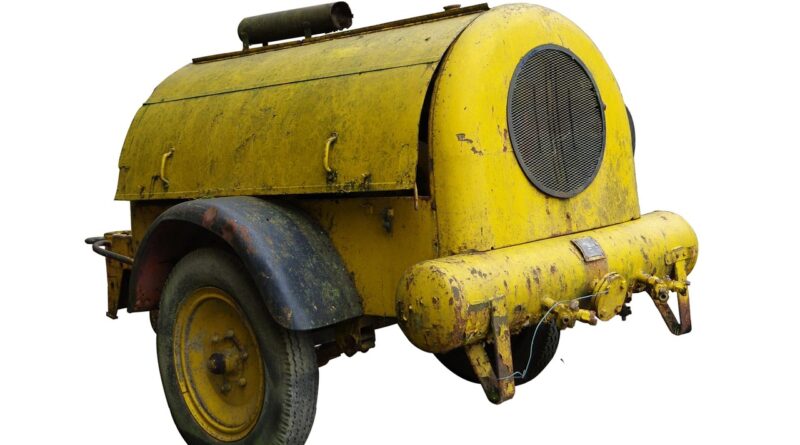
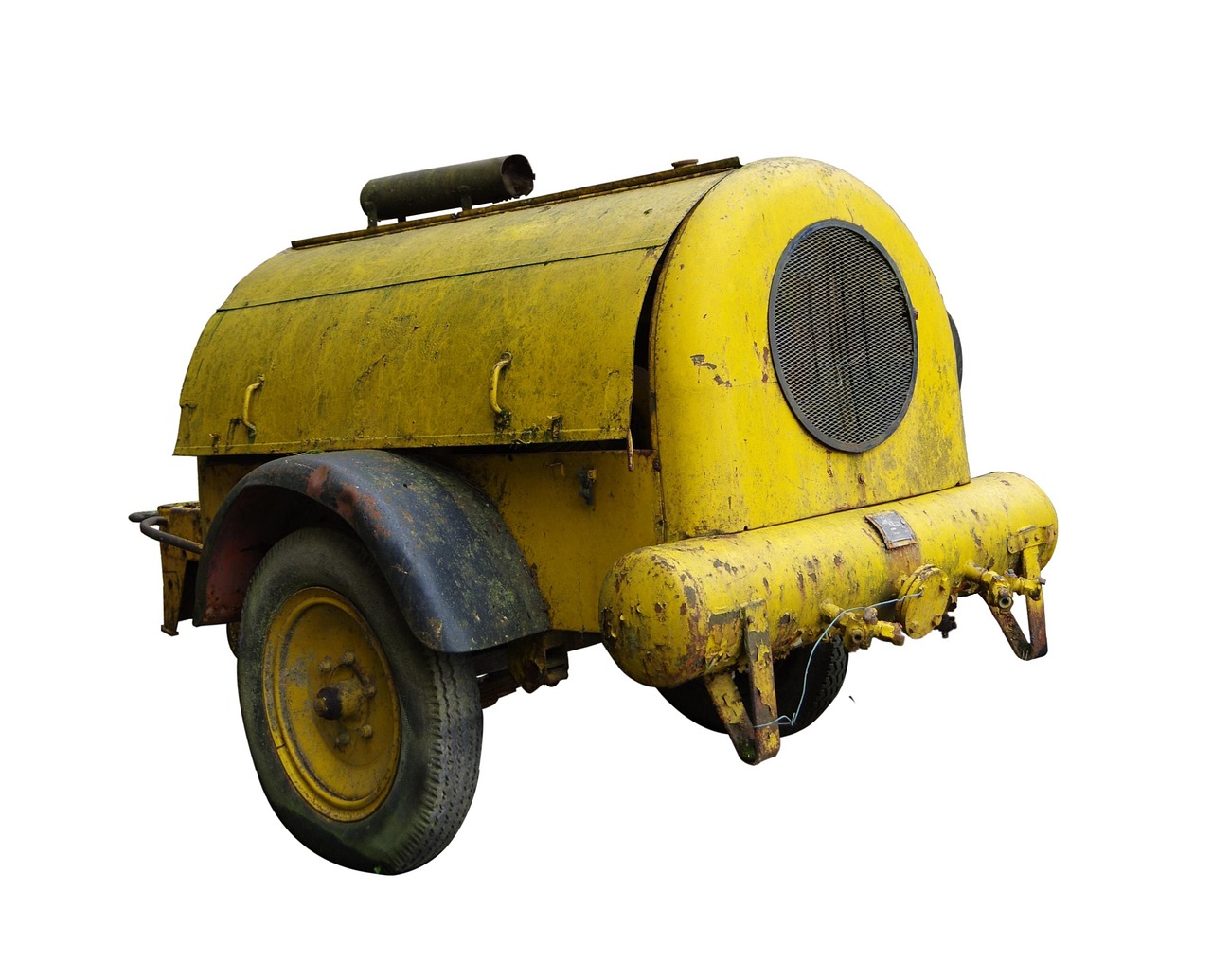
| Wheelbarrow compressor | Contractor use, framing, roofing, outdoor jobsites | Air delivery, wheel and frame durability, engine or motor reliability | Heavier, louder, and harder to store |
| Stationary vertical or horizontal compressor | Garages and small shops with repeated tool use | Wiring needs, recovery, moisture control, duty cycle, service access | Requires space and a more permanent setup |
| Rotary screw compressor | Commercial and industrial continuous air demand | Verified performance data, service plan, efficiency, dryer compatibility | Usually excessive for home users and casual shops |
For a homeowner, portability and noise may matter more than maximum output. For a small shop, duty cycle, service access, moisture management, and energy use become more important. For contractors, a review should also show how easily the unit moves around a site and whether the frame protects the pump, gauges, and fittings.
How to compare compressors by real tool demand
A useful review connects compressor performance to actual tools. Pneumatic nailers use short bursts of air, so they can often work well with small tanks. Tools that run continuously, such as sanders, grinders, and paint sprayers, need much more air and quickly expose weak pump output.
| Task | What the compressor must handle | Review priority | Buying note |
|---|---|---|---|
| Brad nailing and trim work | Short bursts with pauses between shots | Quiet operation, stable pressure, light weight | A small portable unit can be enough if recovery is acceptable |
| Framing and roofing | Frequent bursts and jobsite movement | Air delivery, tank recovery, durable frame | Look for reviews that test repeated firing, not just one tool cycle |
| Tire inflation | Moderate pressure with simple airflow needs | Gauge accuracy, hose length, fill time | A compact compressor may work, but a tiny inflator is not the same as a shop compressor |
| Impact wrench use | Short but heavy bursts | CFM at working pressure and recovery speed | Undersized compressors may remove only a few fasteners before pressure drops |
| Spray painting | Steady air, clean air, and moisture control | Continuous airflow, regulator quality, filtration compatibility | Check the sprayer requirement first; many small compressors are not suitable |
| Sanding or grinding | High continuous air use | Duty cycle, pump heat, sustained CFM | This is where many portable units fall short |
When comparing reviews, look for evidence that the reviewer used realistic workloads. A fill-time test is useful, but it does not prove that the compressor can support a demanding tool for ten minutes. A stronger review explains how the compressor behaves after repeated cycles: whether pressure falls below the tool requirement, whether the motor runs constantly, whether heat builds up, and whether the regulator holds steady.
Noise, duty cycle, and maintenance are part of performance
Noise is not just a comfort issue. The National Institute for Occupational Safety and Health recommends an occupational noise exposure limit of 85 dBA averaged over an eight-hour workday, using a 3 dB exchange rate. Home garages are not regulated like workplaces, but the guidance is a useful reminder that loud compressors can be tiring and may justify hearing protection, especially in enclosed spaces.
Duty cycle is another important review point. A compressor that runs almost continuously during a task is being pushed hard. Oil-free compressors are common because they are convenient and require less routine lubrication, but they may be louder and may not be ideal for heavy continuous use. Oil-lubricated compressors require more maintenance, but many users prefer them for smoother operation and longer service in shop environments. The right choice depends on workload, not just convenience.
Maintenance should be visible in any serious review. Reviewers should note how easy it is to drain the tank, reach the air filter, read the gauges, adjust the regulator, access the oil fill if applicable, and store the hose. Draining moisture from the tank is especially important because compressed air naturally collects water as it cools. For painting or clean air use, reviewers should also discuss filters, dryers, or separators rather than treating the compressor alone as the full system.
Safety and ownership costs reviewers should not ignore
Air compressors store energy under pressure, so safety details matter. OSHA guidance for general industry states that compressed air used for cleaning must not exceed 30 PSI when the nozzle is obstructed or dead-ended, and it must be used with effective chip guarding and personal protective equipment. That does not mean a compressor is limited to 30 PSI for tools; it means cleaning with compressed air has specific safety requirements. Reviews that encourage blasting dust off clothing or skin without context are not reliable.
Ownership cost is broader than the purchase price. The U.S. Department of Energy has noted in industrial guidance that compressed air leaks can waste a significant share of compressor output, often cited at 20 to 30 percent in poorly maintained systems. A home garage is not the same as a factory, but the principle still applies: leaking fittings, damaged hoses, and poorly sealed couplers make a compressor run more often than necessary. See also: Tool Categories.
Buyers should also account for accessories. A realistic budget may include a quality air hose, quick couplers, fittings, a tire chuck, a blow gun with appropriate safety features, a regulator, a water separator, an inline filter, tool oil for pneumatic tools, and hearing protection. For stationary units, installation may involve electrical work, vibration control, piping layout, and local code considerations. A low purchase price can become less attractive if the compressor needs immediate accessory upgrades to work properly.
Red flags in air compressor reviews
Some reviews look helpful but leave out the information needed to make a confident decision. Be cautious when a review focuses mainly on star ratings, unboxing impressions, or maximum PSI. Maximum pressure is easy to advertise, but it does not prove usable airflow. Also be cautious when a review uses one light-duty task to recommend a compressor for heavy shop work.
- It does not list CFM or SCFM at a stated pressure.
- It praises a compressor for painting, sanding, or impact tools without checking the tool air requirement.
- It ignores recovery time after pressure drops.
- It does not mention noise or indoor use comfort.
- It treats tank size as the only measure of capacity.
- It gives a universal recommendation without explaining the user profile.
- It omits maintenance points such as draining, filters, oil, hoses, and fittings.
A good review should make trade-offs clear. A compact compressor may be easy to carry but limited for continuous tools. A larger shop compressor may be capable, but it can also be expensive, loud, and harder to install. The best choice is usually the one that fits the workload with some margin, not the one with the most dramatic spec sheet.
A practical buying checklist
Before relying on any air compressor review, compare the review claims with the checklist below. This is especially useful when choosing between two similar portable compressors or deciding whether to step up to a larger garage unit.
- List the tools you plan to run and check each tool’s air requirement.
- Compare delivered CFM or SCFM at the pressure your tools actually use.
- Check tank size, but treat it as air reserve rather than pump strength.
- Look for measured fill time and recovery time.
- Consider noise if the compressor will run indoors or near other workers.
- Check the duty cycle and whether the compressor is designed for intermittent or sustained use.
- Decide whether oil-free convenience or oil-lubricated serviceability better fits your workload.
- Plan for moisture control if painting, airbrushing, or using sensitive pneumatic tools.
- Confirm power requirements, especially for larger stationary models.
- Budget for hoses, fittings, regulators, filters, and safety gear.
For most garage users, the smartest purchase is not the biggest compressor available. It is a compressor that comfortably exceeds the air requirement of the most demanding tool used regularly. If that tool is a nailer, a compact unit may be enough. If it is a sander, sprayer, or multiple tools at once, a larger compressor or a different system design may be necessary.
Frequently asked questions
What is the most important spec in air compressor reviews?
Delivered airflow at a stated pressure is usually the most important spec. Look for CFM or SCFM at 90 PSI for many air tools, then compare that number with the tool manufacturer’s requirement. Tank size and maximum PSI matter, but they do not replace airflow.
Is a bigger tank always better?
No. A bigger tank stores more air and can reduce cycling for short bursts, but it does not increase the pump’s actual air production. If the pump output is too low for the tool, the compressor will still fall behind once the stored air is used.
Are oil-free compressors good for home garages?
Oil-free compressors can be a good choice for light and moderate garage work because they are simple to maintain and easy to move. For heavy, frequent, or continuous use, buyers should compare duty cycle, noise, and serviceability against oil-lubricated alternatives.
Can a small compressor run a paint sprayer?
Sometimes, but only if the sprayer’s air requirement matches the compressor’s sustained output. Painting also needs clean, dry, regulated air, so filtration and moisture control are part of the setup. Many small portable compressors are better suited to nailers and inflation than continuous spraying.
Why do some reviews say the same compressor is great while others say it is underpowered?
The users may be doing different jobs. A compressor that feels strong with a brad nailer can feel weak with an impact wrench or sander. Reviews are most useful when they state the exact tools, pressure, runtime, and recovery behavior observed during use.